
相关资源
探索丰富的全球公民教育资源,深化理解,促进研究、倡导、教学与学习。
共找到1,330条结果
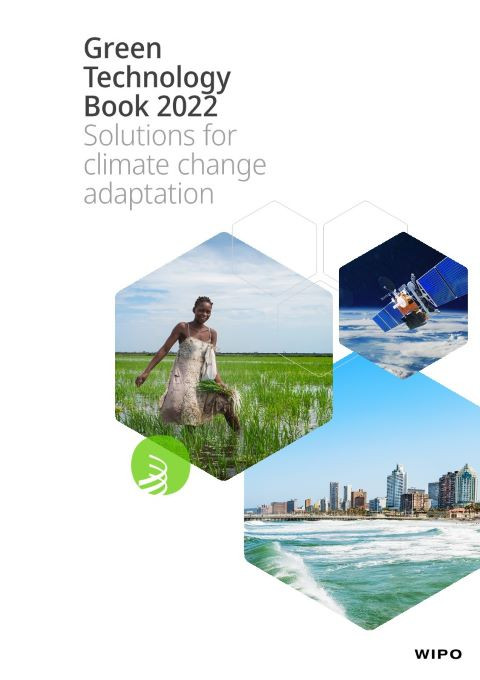 Green Technology Book 2022: Solutions for Climate Change Adaptation 出版年份: 2022 机构作者: World Intellectual Property Organization WIPO’s new Green Technology Book puts innovation, technology and intellectual property at the forefront in the fight against climate change. This inaugural edition focuses on available solutions for climate-change adaptation, which aim to reduce vulnerability and increase resilience to climate impacts. The Green Technology Book comes at a time when we are all experiencing the effects of climate change. It concentrates on three areas where climate impacts are important: agriculture and forestry, water and coastal regions, and cities. A practical guide for those struggling with climate change firsthand, the book showcases 200 solutions for climate-change adaptation that are readily available or in the making. The findings build on the WIPO GREEN Technology Database, which connects green technology providers from around the world with those seeking environmentally friendly solutions. The Green Technology Book is a source of encouragement and inspiration, demonstrating the diversity of solutions available and ready to be scaled up.1. Climate change adaptation and technology2. Innovation and transfer of solutions3. Agriculture and forestry4. Water and coastal regions5. Cities6. Conclusion and recommendations
  Paris Agreement 出版年份: 2015 机构作者: United Nations (UN) The Paris Agreement is a legally binding international treaty on climate change. It was adopted by 196 Parties at the UN Climate Change Conference (COP21) in Paris, France, on 12 December 2015. It entered into force on 4 November 2016.Its overarching goal is to hold “the increase in the global average temperature to well below 2°C above pre-industrial levels” and pursue efforts “to limit the temperature increase to 1.5°C above pre-industrial levels.” Accord de Paris 出版年份: 2015 机构作者: United Nations (UN) L'Accord de Paris est un traité international juridiquement contraignant sur les changements climatiques. Il a été adopté par 196 Parties lors de la COP 21, la Conférence des Nations unies sur les changements climatiques à Paris, France, le 12 décembre 2015. Il est entré en vigueur le 4 novembre 2016. Son objectif primordial est de maintenir « l'augmentation de la température moyenne mondiale bien en dessous de 2°C au-dessus des niveaux préindustriels » et de poursuivre les efforts « pour limiter l'augmentation de la température à 1,5°C au-dessus des niveaux préindustriels. » Acuerdo de París 出版年份: 2015 机构作者: United Nations (UN) El Acuerdo de París es un tratado internacional sobre el cambio climático jurídicamente vinculante. Fue adoptado por 196 Partes en la COP21 en París, el 12 de diciembre de 2015 y entró en vigor el 4 de noviembre de 2016. Su objetivo es limitar el calentamiento mundial a muy por debajo de 2, preferiblemente a 1,5 grados centígrados, en comparación con los niveles preindustriales. ПАРИЖСКОЕ СОГЛАШЕНИЕ 出版年份: 2015 机构作者: United Nations (UN) Парижское соглашение – юридически обязательный международный договор по тематике изменения климата. Он был принят 196 Сторонами на 21-й сессии Конференции Сторон Рамочной конвенции ООН об изменении климата (КС-21 РКИК ООН) 12 декабря 2015 года в Париже. Вступление Соглашения в силу состоялось 4 ноября 2016 года. Задача Парижского соглашения – удержание прироста глобальной средней температуры намного ниже 2 градусов Цельсия сверх доиндустриальных уровней при приложении усилий в целях ограничения роста температуры до 1,5 градусов Цельсия. 巴黎协定 出版年份: 2015 机构作者: United Nations (UN) 《巴黎协定》是一项具有法律约束力的气候变化国际条约。2015年12月12日,该协定在巴黎举行的《联合国气候变化框架公约》第二十一次缔约方会议上获得196个缔约方通过,并于2016年11月4日生效。其目标是将全球气温升幅控制在工业化前水平以上低于2℃,最好是1.5℃之内。
 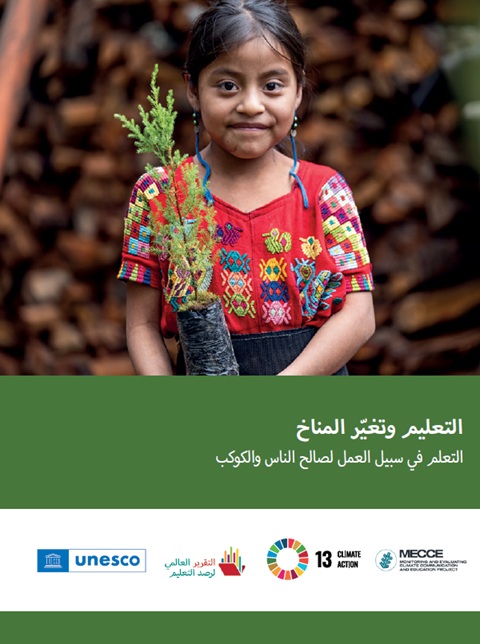 التعلّم من أجل العمل لصالح الناس والكوكب: التعليم وتغيّر المناخ 出版年份: 2024 机构作者: Global Education Monitoring Report Team | Monitoring and Evaluating Climate Communication and Education Project (MECCE) | University of Sakatchewan ملخص مختصركيف يفضي التعليم إلى اتخاذ إجراءات بشأن تغيّر المناخ؟مع أن هنالك بيّنات دامغة على تأثير التعليم في سائر النتائج في مجال التنمية، وعلى الدور الذي يؤديه التعليم في تنمية القدرات المهنية اللازمة لعمليات الانتقال إلى التنمية المستدامة، فإن التعليم عادةً ما يكون غائباً عن اعتبارات سائر القطاعات عند اضطلاعها بوضع الاستراتيجيات والسياسات والتخطيط والتمويل. ولذا، استحدث التقرير العالمي لرصد التعليم سلسلة جديدة من المنشورات سعياً إلى تعزيز الحوار بشأن العلاقة المتبادلة بين التعليم وسائر أهداف التنمية المستدامة.وتتمحور الوثيقة الأولى في هذه السلسلة حول تغيّر المناخ. وتستعرض في مستهلها تنامي عواقب تغيّر المناخ على التعليم، ثم تتناول دور التعليم في العمل المناخي. وتبيّن الوثيقة أن مساهمة التعليم في تنمية القدرات المهنية اللازمة للانتقال إلى الاقتصاد المراعي للبيئة (الأخضر) لا تنال حقّ قدرها من التقدير. وهنالك قناعة شائعة أيضاً بأن التعليم، سواء النظامي أو غير النظامي أو غير الرسمي، يؤدي دوراً حاسماً في الحفز على اتخاذ الإجراءات الرامية إلى الحد من وطأة عواقب تغيّر المناخ والتكيف معها.بيد أن العلاقة الطردية بين التحصيل العلمي ومستويات الاستهلاك غير المستدام، فضلاً عن عدم توصل البحوث بشأن التأثير المباشر للتعليم في إجراءات التكيف مع عواقب تغيّر المناخ والحد من وطأتها إلى نتائج قاطعة، ساهما مساهمة جزئية في وضع مجال التعليم في أسفل سلم أولويات الخطط العالمية والوطنية المتعلقة بتغيّر المناخ.وتدّعي هذه الوثيقة ضرورة تكييف التعليم بشأن تغيّر المناخ لكي يتسنى تحقيق الإمكانيات الكامنة فيه. فلا يمكن أن يقتصر النموذج التربوي على نقل المعارف، بل لا بد له من التركيز أيضاً على التعلم الاجتماعي والعاطفي والعمل المنحى.وقد تمحور العديد من البحوث حول تأثير التحصيل العلمي والتعلم المعرفي. ولذا من الضروري إجراء المزيد من البحوث لتقييم سائر العوامل الحفازة التي يمكن للتعليم التأثير من خلالها في أنماط السلوك والحفز على اتخاذ إجراءات بشأن تغيّر المناخ. وتعدّ هذه البحوث ضرورية أيضاً من أجل إعداد برامج إصلاح قابلة للتطبيق في مجال التعليم تفضي إلى تحسين المناهج الدراسية، وتعزيز تأهب المدارس ونظم التعليم للتصدي لعواقب تغيّر المناخ، وإشراك المتعلمين، وإعداد المعلمين بما يتلاءم مع ذلك.
 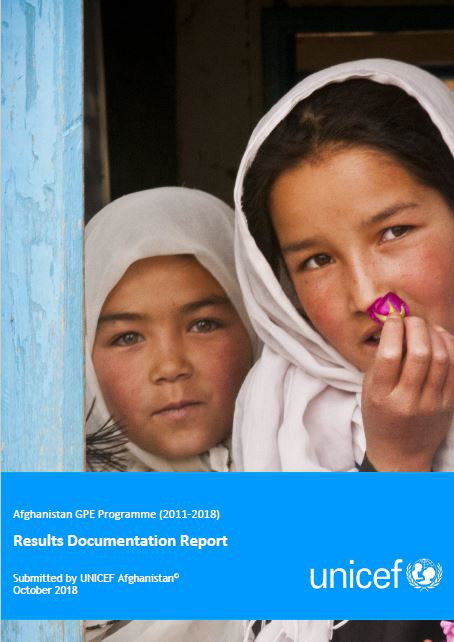 2018 grant completion report. Afghanistan 出版年份: 2019 机构作者: UNICEF Afghanistan This is the completion report of GPE’s program in Afghanistan, which ran from 2012 to 2018. Overall, it appears education access and equity has been improved in target districts, and some of these effects promise to persist beyond the program period.Community engagement in schooling has also improved, as well as school performance. Target schools have safer and more conducive learning environments for children, and monitoring of education pathways has also improved.Schools have been reopened, and numbers of female teachers in target areas have grown. Finally, the Ministry of Education and national education sectors have seen advances in institutional capacity, and national aid coordination mechanisms also seem to have improved.
  Educating Students to Improve the World (SpringerBriefs in Education) 出版年份: 2020 作者: Fernando Reimers This open access book addresses how to help students find purpose in a rapidly changing world. In a probing and visionary analysis of the field of global education Fernando Reimers explains how to lead the transformation of schools and school systems in order to more effectively prepare students to address today’s’ most urgent challenges and to invent a better future. It discusses several global citizenship curricula that have been adopted by schools and school networks, and ties them into an approach to lead school change into the uncharted territory of the future. Given its scope, the book will help teachers, school and district leaders tackle the change management needed in order to introduce global education, and more generally increase the relevancy of education. In addition, the book offers a “bridge” for more productive collaboration and communication between those who lead the process of educational change, and those who study and theorize this important work.
  Pandemic-Related Disruptions to Schooling and Impacts on Learning Proficiency Indicators: A Focus on the Early Grades 出版年份: 2021 作者: Martin Gustafsson 机构作者: UNESCO Institute for Statistics (UIS) This report focusses on the impacts of the pandemic on learning proficiency, specifically as measured by Sustainable Development Goal (SDG) Indicator 4.1.1. Over the last couple of decades, there has been a growing awareness of how crucial learning proficiency, especially that of younger children, is for human development. The evidence is clear that improvements in proficiency underpin future economic development, and the building of more cohesive and equal societies. The indicators on learning proficiency are among the most discussed indicators within the SDG framework. This report explains the impact of COVID-19 on learning losses for primary-aged children and the need for an effective response.