
相关资源
探索丰富的全球公民教育资源,深化理解,促进研究、倡导、教学与学习。
共找到3,182条结果
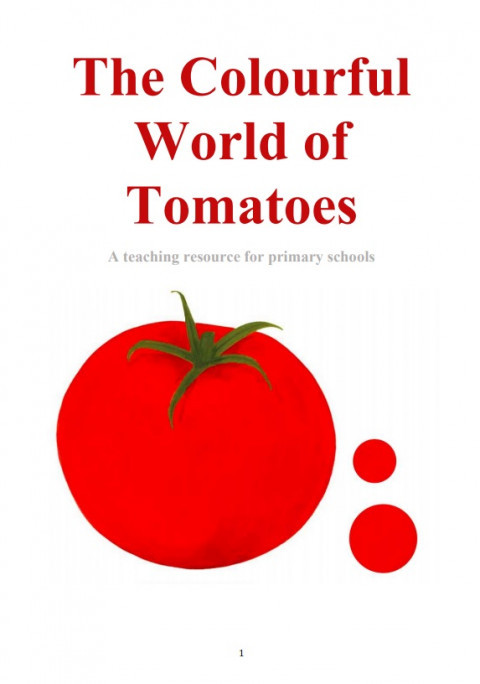 The Colourful World of Tomatoes: A Teaching Resource for Primary Schools 出版年份: 2016 机构作者: Südwind | Cumbria Development Education Centre(CDEC) This resource allows children from 6 to 10 years to get to know the tomato from different perspectives. All exercises are based on the principle of global learning and are varied, interactive and experience-oriented.Thus it is possible for the children not only to look at this diverse topic from different perspectives, but also to immerse themselves in the tomato world. Activity’ objectives:• The students expand their knowledge about tomatoes and vegetables growing in times of globalisation.• Students learn about unknown types of tomatoes.• They recognise why different varieties are important.
 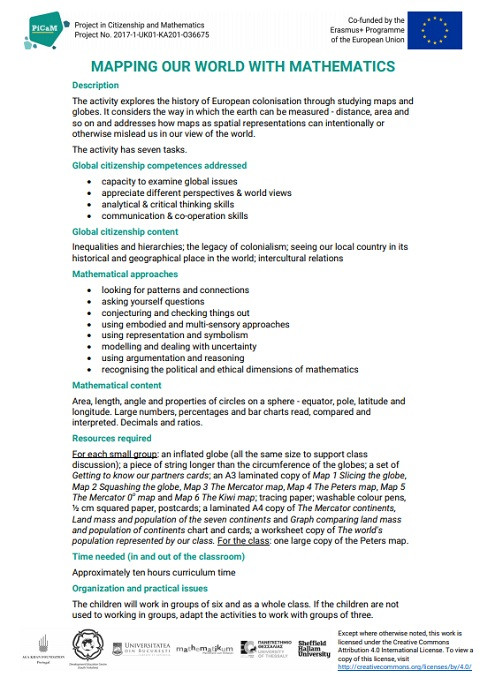 Mapping our World with Mathematics 出版年份: 2019 机构作者: Project in Citizenship and Mathematics(PiCaM) | Erasmus+ This activity explores the history of European colonisation through studying maps and globes. It considers the way in which the earth can be measured - distance, area and so on and addresses how maps as spatial representations can intentionally or otherwise mislead us in our view of the world. The activity has seven tasks.
 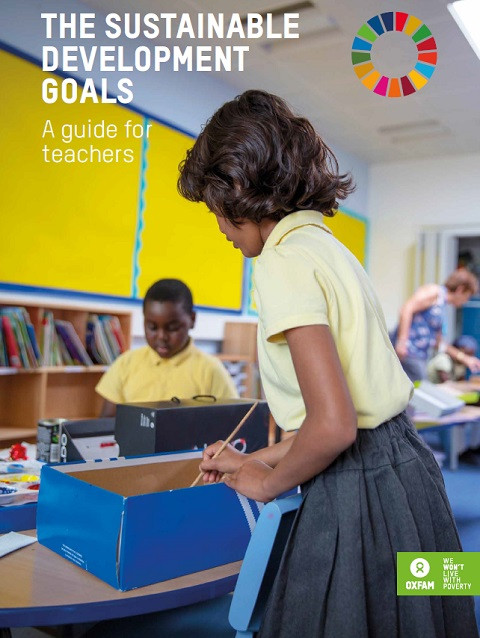 The Sustainable Development Goals: A Guide for Teachers 出版年份: 2019 机构作者: Oxfam GB This guide supports teachers and educators working with young people to deepen their understanding of education about and for the SDGs and to see how global citizenship education (GCE) approaches and methodologies can underpin good practice. The guide also explores the benefits and challenges of using the SDG framework with learners in schools.
 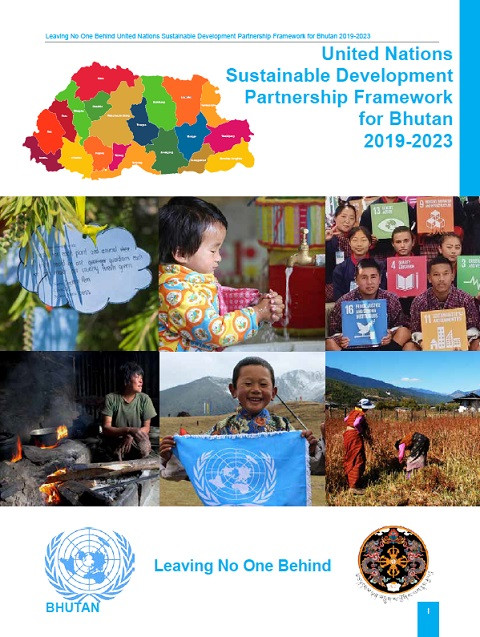 United Nations Sustainable Development Partnership Framework for Bhutan 2019-2023: Leaving No One Behind 出版年份: 2019 机构作者: UN Bhutan This Partnership Framework 2019-2023 is the common strategic framework for UN activities in Bhutan, working closely with the different agencies to effectively meet the needs of the current stage of development in the country. Strongly committed to the promotion of “A Just, harmonious and sustainable Bhutan where no one is left behind”, this document highlights strategic priorities, integrated programming, and continued partnership between the Royal Government of Bhutan, its development partners, key stakeholders, as well as between UN agencies to overcome the many inequalities still present in Bhutan.
  The Paraguayan Educational System Facing the Social Challenges of the 21st Century: A Historical Evolution Towards the Educational Goals Program 2021 出版年份: 2018 作者: Carlos Novella García 机构作者: Autonomous University of Madrid In the summary the author sustains: "In 2011 the Iberoamerican States Organization for Education and Culture assumed the responsibility of coordinatin the actions and follow a challenging educative programa called "Educative Goals 2021: the education that we want for the generations of the bicentenary". This article pretends to learn the full details of this program and analyze the progresses and achievements made by Paraguay, one of the countries that signed this project. Different national and international reports were analysed in order to know, in detail and in a reliable way, the results of the application and development of the eleven goals of the program regarding education in the Paraguayan context. Nevertheless, due to the extension of this article, the authors focused on three of the eleven goals and obtained very relevant results concerning the absences and achievements of the objectives of these goals. The data evidences considerable progress in the education policies since 2011 although education, selection and professional development of teachers is still lacking development." I would add that the author highlights the importance of an international and Iberoamerican citizenship. El sistema educativo paraguayo ante los desafíos sociales del siglo XXI: una evolución histórica hacia el programa metas educativas 2021 出版年份: 2018 作者: Carlos Novella García 机构作者: Autonomous University of Madrid En el resumen el autor sostiene: "En el año 2011 la Organización de Estados Iberoamericanos para la Educación y la Cultura asumió la responsabilidad de coordinar las acciones y realizar el seguimiento de un programa educativo muy ambicioso llamado “Metas Educativas 2021: la educación que queremos para la generación de los bicentenarios”. Este artículo pretende conocer con más detalle los fines de este programa y analizar los avances y logros alcanzados por Paraguay uno de los países firmantes de este proyecto. Para dicho análisis nos servimos de informes nacionales e internacionales que nos permitieran conocer con detalle y fiabilidad los resultados de la aplicación y desarrollo de las once metas del programa en materia educativa en el contexto educativo paraguayo. No obstante, por extensión de este artículo nos centramos en tres de estas once metas consiguiendo resultados muy relevantes respecto a los logros y a las ausencias de los objetivos de las metas analizadas. Los datos reflejan un avance considerable de las políticas educativas desde el 2011 hasta la actualidad aunque siguen existiendo carencias notables en aspectos relacionados, principalmente, con la formación, la selección y el fortalecimiento de la profesión docente." Agregaría que el autor subraya la importancia de una ciudadanía internacional e Iberoamericana.
  The Future of Education and Skills: Education 2030 出版年份: 2018 机构作者: Organisation for Economic Co-operation and Development (OECD) The aim of OECD’s Education 2030: The Future of Education and Skills project is to support countries to find answers to two far-reaching questions: “What knowledge, skills, attitudes and values will today’s students need to shape and thrive their world in 2030?” and “How can instructional systems develop these knowledge, skills, attitudes and values effectively?” This OECD Education 2030 position paper considers the challenges that young people will face; suggests the importance of the concept of learner agency; proposes an overarching learning framework with transformative competencies; reviews the nature of the knowledge, skills, attitudes and values that young people will need; and ends with possible curriculum design principles. It encapsulates the key messages of the project so far. Le Futur de l’éducation et des compétences: Projet Éducation 2030 出版年份: 2018 机构作者: Organisation for Economic Co-operation and Development (OECD) Le projet Le Futur de l’éducation et des compétences : Éducation 2030 a pour objectif d’aider les pays à trouver des réponses à deux questions d’une portée considérable : « De quelles connaissances, compétences, attitudes et valeurs les élèves d’aujourd’hui auront-ils besoin pour réussir leur vie et bâtir le monde de demain ? » et « Comment les systèmes éducatifs peuvent-ils transmettre ces connaissances, compétences, attitudes et valeurs de manière efficace ? » Cette note d’information sur le projet Éducation 2030 de l’OCDE étudie les défis auxquels les jeunes générations vont être confrontées, met en lumière l’idée de capacité d’agir des apprenants, propose un cadre d’apprentissage global reposant sur des compétences transformatives, revient sur la nature des connaissances, des compétences, des attitudes et des valeurs dont les jeunes auront besoin à l’avenir et se conclut par de possibles principes de conception des programmes scolaires. Les principaux messages tirés du projet jusqu’à présent sont également présentés. OECD学习框架 2030: 经济合作与发展组织 (OECD) 出版年份: 2018 机构作者: Organisation for Economic Co-operation and Development (OECD) "教育公平" "高质量的教育" "核心素养" "减负'等已成为流行热词,在新时代背景下实践者对 究竟要"教什么"需要再思考。经济合作与发展组织(简称经合组织 OECD) 2015 年启动了"教育2030: 未来 的教育与技能"项目,项目中启动了"面向 2030 的学习指南"讨论,旨在开发一种新的学习框架,描述需要用什 么样的能力来塑造未来的一代。学习框架包括知识、技能、态度和价值观,个人和社会的福祉 变革性能力,通 过反思、预期和行动的过程,调动知识 技能、态度和价值观,以便发展与世界接触所需的相互关联的能力.此 外, "教育与技能2030项目"专家组也提出了设计教育体系与课程改革的指导原则,包括概念、内容和主题设计 以及流程设计.
  Philosophy for Global Learning: Tried and Tested Stimuli 出版年份: 2018 机构作者: Cumbria Development Education Centre(CDEC) | European Union (EU) | Global Schools Program Philosophy for Global Learning has been created as a flexible and practical resource for teachers of all levels of experience. It is for those who want to teach global awareness to children through the structure of Philosophy for Children. Philosophy for Global Learning is aimed for use with children in Key Stage 2 but some parts can be used with younger children.