
相关资源
探索丰富的全球公民教育资源,深化理解,促进研究、倡导、教学与学习。
共找到3,182条结果
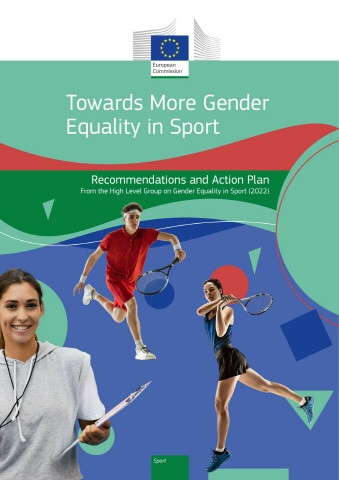 Vers une plus grande égalité des genres dans le sport: Recommandations et plan d'action du groupe de haut niveau sur l’égalité des genres dans le sport (2022) 出版年份: 2022 机构作者: European Commission | European Union (EU) L’égalité des genres est l’un des principes fondamentaux de l’Union européenne (UE). Inscrite dans les traités, elle constitue un objectif que l’UE s’efforce activement d’atteindre – notamment dans le cadre de sa stratégie en faveur de l’égalité entre les femmes et les hommes 2021-2025. Cette stratégie a pour objectif de donner aux femmes, aux hommes, aux jeunes filles et aux jeunes garçons, dans toute leur diversité, la liberté de suivre le chemin qu’ils ont choisi dans la vie et des chances égales de s’épanouir, de participer à la société européenne et de la diriger. Si l’on considère les mesures déjà prises, le rapport « Égalité des genres dans le sport – Proposition d’actions stratégiques 2014-2020 » a certes permis des avancées, mais le rythme des réformes doit être accéléré. Tout d’abord, le principe de l’égalité des genres sous-tend désormais toutes les actions financées dans le cadre du programme Erasmus+ Sport, et les projets soutenant le sport féminin sont activement encouragés. Ensuite, la sensibilisation est au coeur de l’action de l’UE dans ce domaine, notamment par le biais d’études ou de discussions, comme au sein du groupe d’experts de la Commission sur la bonne gouvernance. Enfin, des initiatives telles que les prix annuels #BeInclusive EU Sport Awards récompensent les organisations qui se servent du sport pour accroître l’inclusion sociale, notamment l’égalité des genres. En 2020, la commissaire Mariya Gabriel a annoncé la création d’un groupe d’experts chargé de déterminer la marche à suivre et de proposer des actions à implémenter dans le domaine de l’égalité des genres dans le sport à la Commission européenne, aux États membres de l’UE et aux organisations sportives. Le travail des experts permettra de mettre en oeuvre des actions concrètes aux niveaux locaux, nationaux et européen. Ce rapport est le résultat du travail du groupe de haut-niveau (GHN) de la Commission européenne sur l’égalité des genres dans le sport. Les 15 membres du groupe de haut-niveau ont été nommés en décembre 2020 Les travaux ont commencé en février 2021 et se sont terminés en décembre 2021. Les réunions ont porté sur six domaines d’engagement identifiés par les experts. Des scientifiques et des praticiens ont partagé le fruit de leurs recherches et leurs bonnes pratiques. Chaque réunion a été suivie par des sessions de travail destinées à résumer les présentations et à formuler des recommandations.
  Training for Citizenship in Gender Equality at Elementary Education(Sinéctica, Revista electrónica de educación; no. 60) 出版年份: 2023 作者: Denys Serrano Arenas | Azucena de la Concepción Ochoa Cervantes 机构作者: Sinéctica, Revista Electrónica de Educación Gender equality is a purpose from educational policies aimed to eliminating sociocultu-ral inequalities that limit the exercise of children's rights. At present, gender stereotypes that legitimize the roles exercised by girls and boys that limit the forms of participation persist, promoting different levels of exclusion in school life. The objective of this work is to analyze the perceptions of a group of sixth grade students, about how they consider they should participate in school dynamics due to their gender condition, to detect tho-se stereotypes that influence the practice of their participation. A descriptive study was carried out using a Likert-type questionnaire to 64 students. The results show that gen-der stereotypes are reproduced that provide children with greater ease and freedom to express themselves, as well as to make decisions. Modifications in the care roles were also identified, within which, they begin to have greater interference. In parallel, it was found that these stereotypes represent structural difficulties for the self-recognition of the par-ticipatory capacities of girls. It is recommended to take participation as a fundamental element for the exercise of citizenship in gender equality. La formación para la ciudadanía en igualdad de género en educación primaria(Sinéctica, Revista electrónica de educación; núm. 60) 出版年份: 2023 作者: Denys Serrano Arenas | Azucena de la Concepción Ochoa Cervantes 机构作者: Sinéctica, Revista Electrónica de Educación La igualdad de género es un propósito desde las políticas educativas dirigidas a la eliminación de desigualdades socioculturales que limitan el ejercicio de derechos de la niñez. En la actualidad, perviven estereotipos de género que legitiman los roles ejercidos por niñas y niños que limitan las formas de participación y propician distintos niveles de exclusión en la convivencia escolar. El objetivo de este trabajo es analizar las percepciones de un grupo de estudiantes de sexto grado sobre la forma en que deben participar en las dinámicas escolares por su condición de género a fin de identificar los estereotipos que influyen en la práctica de su participación. Se realizó un estudio descriptivo mediante un cuestionario tipo Likert a 64 estudiantes. Los resultados muestran que se reproducen estereotipos de género que dotan a los niños de mayor facilidad y libertad para expresarse, así como para tomar decisiones. También se identificaron modificaciones en los roles de cuidado, dentro de los cuales los hombres comienzan a tener mayor injerencia. Estos estereotipos representan dificultades estructurales para el autorreconocimiento de las capacidades participativas de niñas y niños. Se recomienda tomar a la participación como elemento fundamental para el ejercicio de la ciudadanía en igualdad de género.
  教育公平视域下特殊儿童随班就读的质量检视与提升路径 (教育进展 第14卷 第8期) 出版年份: 2024 作者: 常攀攀 机构作者: 汉斯出版社 随班就读作为我国特殊儿童的主要教育形式,实现了特殊儿童与普通儿童入学机会的公平。在当前教育 需求从“有学上”转向“上好学”的背景下,“公平而有质量”应成为特殊儿童随班就读的价值考量。 鉴于特殊儿童随班就读的低阶公平和质量的不尽人意,应超越入学机会的形式公平,强调特殊儿童与普 通儿童教育过程和结果的实质公平。可通过建构特殊儿童随班就读质量正确认知的观念革新、确保特殊 儿童随班就读实质公平的过程关照、提供特殊儿童随班就读资源保障的差异补偿等路径来确保和提升特 殊儿童的随班就读质量。
  特殊幼儿随班就读的内涵、困境及支持策略探究 (教育进展 第14卷 第9期) 出版年份: 2024 作者: 潘莹 机构作者: 汉斯出版社 特殊幼儿随班就读是中国式现代化融合教育的重要表现形式,也是确保特殊幼儿享有公平教育权的主要 实施途径。但随班就读在不断推广的同时也存在诸多问题。因此,如何提高随班就读的质量是当前随班 就读实践中亟需应对的问题。其中,在班教师对特殊幼儿随班就读的适应与发展具有决定性作用,需秉 持一维人本主义思想,以“同理心,定计划,设环境”三方面层层步入,螺旋上升做特殊儿童的四个支 持者,以此推进特殊幼儿随班就读的良好促进与提升。
  德国的特殊教育 (教育进展 第11卷 第4期) 出版年份: 2021 作者: 沈国琴 机构作者: 汉斯出版社 本文首先阐述了德国学者对残疾的定义及德国对残疾儿童与青少年实施特殊教育的框架条件,随后从德 国特殊教育的运行机制、德国特殊教育的特点及发展趋势等方面对德国的特殊教育作了阐述。
 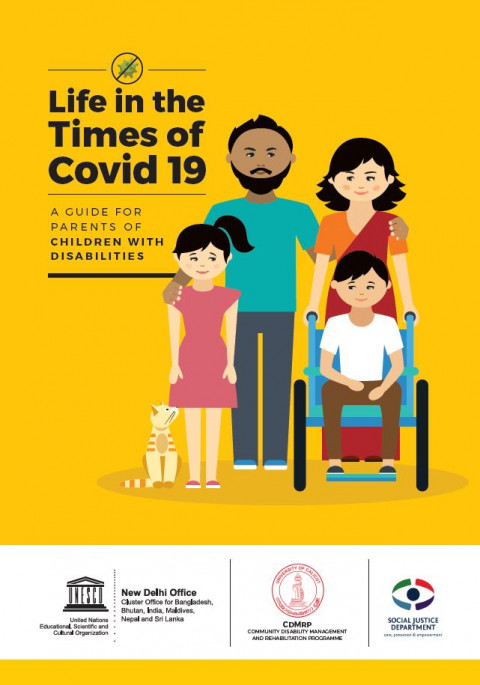 Life in the Times of Covid 19: A Guide for Parents of Children with Disabilities 出版年份: 2020 机构作者: UNESCO New Delhi The 2019–20 coronavirus pandemic has affected educational systems worldwide, leading to the widespread closure of schools and universities. The radical changes and ensuing stress brought about by COVID-19 and the lockdown may also result in different sorts of difficulties among these children.Hence, parents and caregivers of such children must know how to manage and guide their children during this pandemic.This guideline explains the different aspects that a parent/ caregiver must take into account while taking care of children with special needs. This guideline also addresses the need to maintain the mental health of the parent/ caregiver of children with special needs. The eleven sections in this guideline explain the duties and responsibilities that parents/ caregiver must follow.
 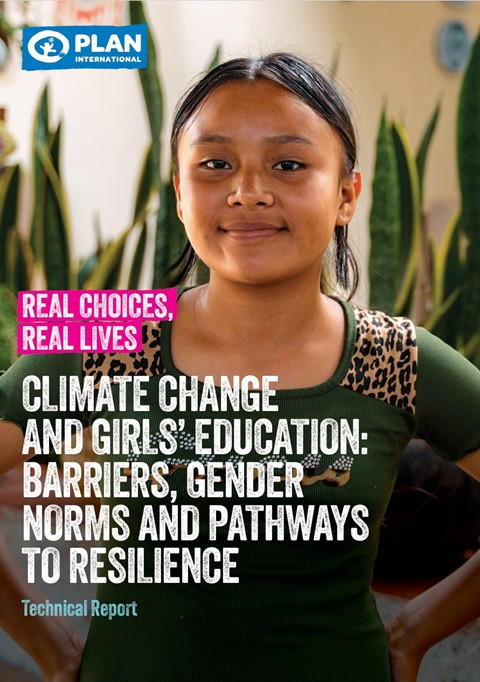 [Technical Report] Climate Change and Girls' Education: Barriers, Gender Norms and Pathways to Resilience 出版年份: 2023 机构作者: Plan International This is the technical report of the Climate Change and Girls' Education: Barriers, Gender Norms and Pathways to Resilience for further detail on the findings and research itself. [Rapport technique] Changement climatique et éducation des filles: entraves, normes sexistes et chemins vers la resilience 出版年份: 2023 机构作者: Plan International This is the technical report of the Climate Change and Girls' Education: Barriers, Gender Norms and Pathways to Resilience for further detail on the findings and research itself. [Reporte técnico] Cambio climático y educación de las niñas: barreras, normas de género, y rutas hacia la resiliencia 出版年份: 2023 机构作者: Plan International This is the technical report of the Climate Change and Girls' Education: Barriers, Gender Norms and Pathways to Resilience for further detail on the findings and research itself.