
相关资源
探索丰富的全球公民教育资源,深化理解,促进研究、倡导、教学与学习。
共找到3,163条结果
 General Framework of Curriculum Standards: National Education and Social Studies 出版年份: 2014 作者: Khalid Abdaslam 机构作者: United Arab Emirates. Ministry of Education The file is a reference document for the general framework of curriculum standards in national education and social studies in the United Arab Emirates. The file outlines study plans for social studies subjects, learning outcomes, performance standards, and general guidelines for planning. The file ends with a set of lesson design templates. الإطار العام لمعايير المناهج: التربية الوطنية والدراسات الاجتماعية 出版年份: 2014 作者: Khalid Abdaslam 机构作者: United Arab Emirates. Ministry of Education يعتبر الملف وثيقة مرجعية للإطار العام لمعايير المناهج في التربية الوطنية والدراسات الاجتماعية بدولة الامارات العربية المتحدة. يوضح الملف الخطط الدراسية لمواد الدراسات الاجتماعية ونواتج التعلم ومعايير الأداء وموجهات عامة للتخطيط. وينتهي الملف بمجموعة من نماذج تصميم الدروس.
 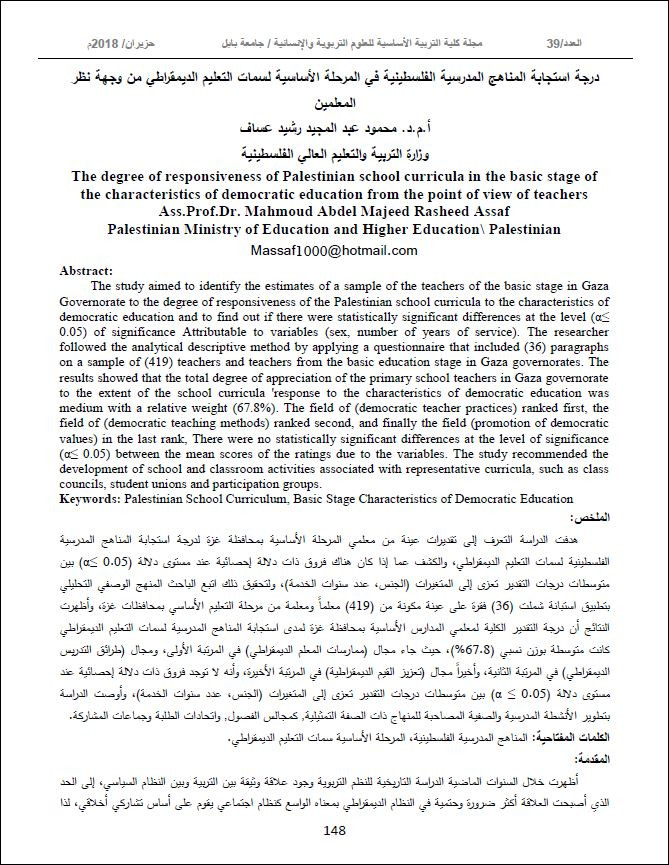 The Degree of Responsiveness of Palestinian School Curricula in the Basic stage of the Characteristics of Democratic Education from the Point of View of Teachers 出版年份: 2018 作者: Mahmoud Abdel Majeed Rasheed Assaf 机构作者: University of Babylon The study aimed to identify the estimates of a sample of the teachers of the basic stage in Gaza Governorate to the degree of responsiveness of the Palestinian school curricula to the characteristics of democratic education and to find out if there were statistically significant differences at the level (α≤ 0.05) of significance Attributable to variables (sex, number of years of service). The researcher followed the analytical descriptive method by applying a questionnaire that included (36) paragraphs on a sample of (419) teachers and teachers from the basic education stage in Gaza governorates. The results showed that the total degree of appreciation of the primary school teachers in Gaza governorate to the extent of the school curricula 'response to the characteristics of democratic education was medium with a relative weight (67.8%). The field of (democratic teacher practices) ranked first, the field of (democratic teaching methods) ranked second, and finally the field (promotion of democratic values) in the last rank, There were no statistically significant differences at the level of significance (α≤ 0.05) between the mean scores of the ratings due to the variables. The study recommended the development of school and classroom activities associated with representative curricula, such as class councils, student unions and participation groups. درجة استجابة المناهج المدرسية الفلسطينية في المرحلة الأساسية لسمات التعليم الديمقراطي من وجهة نظرالمعلمين 出版年份: 2018 作者: Mahmoud Abdel Majeed Rasheed Assaf 机构作者: University of Babylon هدفت الدراسة التعرف إلى تقديرات عينة من معلمي المرحلة الأساسية بمحافظة غزة لدرجة استجابة المناها المدرسية الفلسطينية لسمات التعليم الديمقراطي، والكشف عما إذا كان هنالك فروق ذات دالة إحصائية عند مستوى دالة (05.0≤ α (بين متوسطات درجات التقدير تعزى إلى المتغيرات )الجنس، عدد سنوات الخدمة(، ولتحقيق ذلل اتبع الباحث المنها الوصفي التحليلي بتطبيق استبانة شملت )36 )فقرة على عينة مكونة من )419 )معلما ومعلمة من مرحلة التعليم الأساسي بمحافظات غزة، وأظهرت النتائج أن درجة التقدير الكلية لمعلمي المدارس الأساسية بمحافظة غزة لمدى استجابة المناها المدرسية لسمات التعليم الديمقراطي كانت متوسطة بوزن نسبي )8.67 ،)%حيث جاء مجال )ممارسات المعلم الديمقراطي( في المرتبة الأولى، ومجال )طرائق التدريس وأخي ار مجال )تعزيز القيم الديمقراطية( في المرتبة الأخيرة، وأنث ال توجد فروق ذات دالة إحصائية عند الديمقراطي( في المرتبة الثانية، مستوى دالة (05.0 ≤ α (بين متوسطات درجات التقدير تعزى إلى المتغيرات )الجنس، عدد سنوات الخدمة(، وأوصت الدراسة بتطوير الأنشطة المدرسية والصفية المصاحبة للمنهاج ذات الصفة التمثيلية, كمجالس الفصول, واتحادات الطلبة وجماعات المشاركة.
  Education 21st Century Children: Emotional Well-being in the Digital Age (Educational Research and Innovation) 出版年份: 2019 机构作者: Organisation for Economic Co-operation and Development (OECD) This report examines modern childhood, looking specifically at the intersection between emotional well-being and new technologies. It explores how parenting and friendships have changed in the digital age. It examines children as digital citizens, and how best to take advantage of online opportunities while minimising the risks. The volume ends with a look at how to foster digital literacy and resilience, highlighting the role of partnerships, policy and protection.
  디지털 리터러시 교육 1부: 정보를 읽는 능력을 키워라! #1 出版年份: 2020 机构作者: 한국교육방송공사 급변하는 매체환경, 범람하는 가짜뉴스 속에서 진짜 정보와 가짜 정보를 구분하는 능력인 디지털리터러시가 중요하게 여겨지고 있는 상황. 우리 학생들이 미래를 바꿀 수 있는 역량을 갖도록 하기 위해 시대의 흐름에 맞는 교육의 변화 또한 필요하다. 이번 <미래교육 플러스>에서는 변화한 흐름에 맞는 디지털리터러시 교육에 대해서 논의 한다. 디지털 리터러시 교육 1부 ‘정보를 읽는 능력을 키워라!’에서는 디지털 리터러시의 중요성과 디지털 리터러시 교육의 현주소를 점검해 본다.
 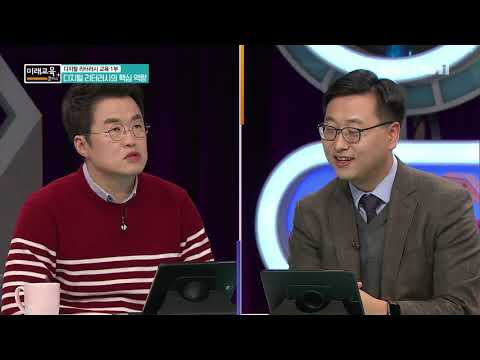 디지털 리터러시 교육 1부: 정보를 읽는 능력을 키워라! #2 出版年份: 2020 机构作者: 한국교육방송공사 급변하는 매체환경, 범람하는 가짜뉴스 속에서 진짜 정보와 가짜 정보를 구분하는 능력인 디지털리터러시가 중요하게 여겨지고 있는 상황. 우리 학생들이 미래를 바꿀 수 있는 역량을 갖도록 하기 위해 시대의 흐름에 맞는 교육의 변화 또한 필요하다. 이번 <미래교육 플러스>에서는 변화한 흐름에 맞는 디지털리터러시 교육에 대해서 논의 한다. 디지털 리터러시 교육 1부 ‘정보를 읽는 능력을 키워라!’에서는 디지털 리터러시의 중요성과 디지털 리터러시 교육의 현주소를 점검해 본다.
 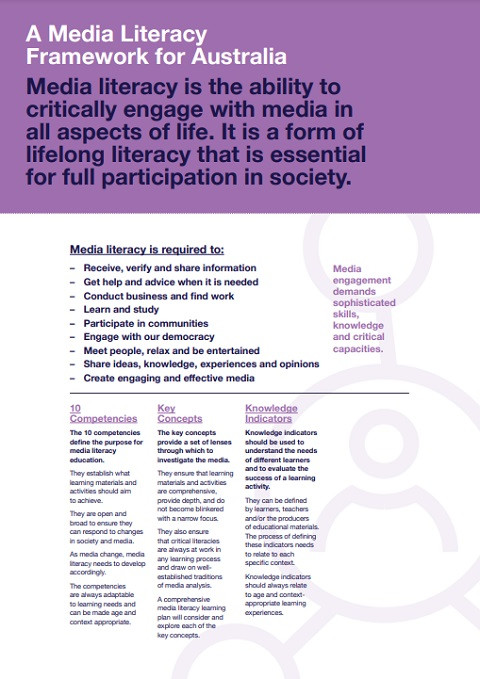 A Media Literacy Framework for Australia 出版年份: 2020 机构作者: Australian Media Literacy Alliance (AMLA) AMLA define media literacy as the ability to critically engage with media in all aspects of life.Media literacy complements Digital Literacy and Digital Safety – and all three are required to thrive in a digital world. Digital literacy focuses on the skills and knowledge required to access and use digital technologies. Digital Safety focuses on issues like online hate and abuse, bullying, the protection of personal information and online scams.Media Literacy encourages people to ask critical questions about the media and media technologies using a set of six key concepts. For any example of media (an advertisement, a news story, a film or television program, a YouTube video, video game or a social media post), we can ask the following questions:Institutions: who made this media and why did they make it?Audiences: who was this media made for and how are they likely to respond to it?Representations: how are people, places or ideas portrayed in this media, and what are the impacts of this?Technologies: what technology was used to produce, access and circulate this media? Does the technology gather personal data from users?Languages: how does this media communicate using image, sounds and written text?Relationships: what kind of relationships are being developed through the distribution and use of this media?These questions will have very different answers and follow-on questions depending on the media example, but the process of asking and answering these questions leads to critical understandings, and forms the basis for more successful media experiences. These questions can be asked during the process of consuming, sharing or creating media. They can be integrated as part of any Digital Literacy and Digital Safety learning program.
  코로나19와 미래핵심역량: 디지털 리터러시, 자기주도적 학습 능력, 협업 능력을 중심으로 出版年份: 2020 作者: 김자영 | 옥현진 | 신태섭 | 박미희 | 이정연 | 최보미 机构作者: 경기도교육연구원 코로나19로 인한 원격수업 과정에서 미래핵심역량인 디지털 리터러시, 자기주도적 학습 능력, 협업 능력 신장에 대한 중요성이 부각되고 있으며 이에 대한 실태를 분석하고 교육의 방향을 설정하는 것이 중요할 것이다. 본 연구는 경기도 지역의 초중고 일반 학교 및 혁신학교, 연구 및 시범학교(디지털교과서 시범학교, 민주시민교육실천학교 등)를 대상으로 미래핵심역량인 디지털 리터러시, 자기주도적 학습 능력, 협업능력에 대한 실태를 조사하고 이러한 미래핵심역량에 영향을 미칠 수 있는 학생 및 학교 맥락변인을 분석하였으며, 분석 결과를 토대로 미래교육이 나아가야 할 방향을 제시하고자 한다.
  2019 꿈다락 토요문화학교 드림 아트랩 4.0 'Everyday is Playful Media' 결과자료집 出版年份: 2019 机构作者: 한국예술종합학교 융합예술센터 2019 꿈다락 토요문화학교 드림 아트랩 4.0 프로그램 관련, 한국예술종합학교 융합예술센터가 운영하고 성북구립미술관, N15가 협력하여 진행한 'Everyday is Playful Media' 프로그램 결과자료집으로 자료집은 Playful Thinking, Playful Learning, Playful Making 3개의 세부 프로그램 운영 내용 및 결과 전시 등의 과정이 기록되어있다. 본 저작물은 한국예술종합학교 융합예술센터에서 2019년 작성하여 공공누리 제4유형으로 개방한 ‘2019 꿈다락 토요문화학교 드림 아트랩 4.0 'Everyday is Playful Media' 결과자료집’을 이용하였으며 해당 저작물은 한국문화예술교육진흥원 arte 라이브러리 홈페이지(lib.arte.or.kr)에서 무료로 다운받으실 수 있습니다.