
相关资源
探索丰富的全球公民教育资源,深化理解,促进研究、倡导、教学与学习。
共找到2,768条结果
 《商品学》课堂教学模式改革: 以"任务"法为例 出版年份: 2022 作者: 何晓存 | 尹云平 本课题的研究成果将改变教师的传统教育观,形成在现代教学思维引导下的以学习者为中心,将学习者自由探究、自主学习和老师有效引导相结合的新教育形式,以实现培养及有探究性学习品质,并具备有创造精神的教育目的,采用"任务驱动法"将全面提高学生的掌握与运用现代信息技术的能力,并培养学生的学习兴趣,以促使教学主动性。结语:多样化的专业教学方法变革的构想,是以现代物流管理专业课堂教学发展的实际状况为依据,并根据最新的教学模式而提出的,借助于此教学模式的实现,促进现代物流管理专业教学方法的变革既是长期的系统任务,同时它所面对的教学变革任务又是多领域性和多元化的,促进了现代物流管理专业课堂教学实践与教学改革实践的相结合,在进一步探索和实践过程中寻找适合的新教学方法,而不仅仅是要求实现传统教学方法的变革,更关键的是培育专业综合型的现代物流管理人才培养。
 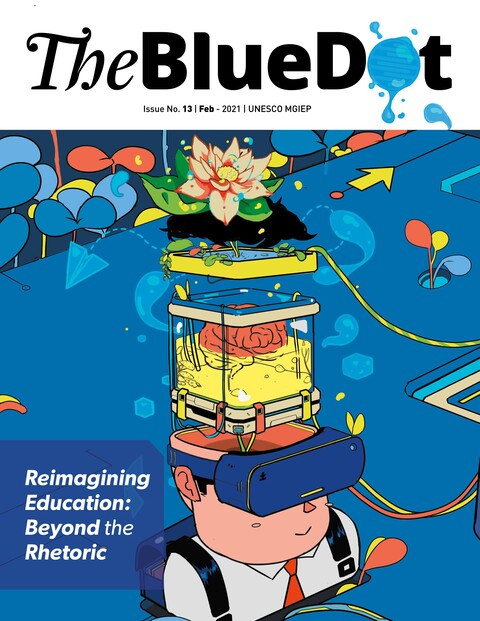 Reimagining Education: Beyond the Rhetoric (The Blue Dot; No.13, 2021) 出版年份: 2021 机构作者: Mahatma Gandhi Institute of Education for Peace and Sustainable Development (MGIEP) The events of the year 2020, driven predominantly by the COVID-19 pandemic, have forced governments, policymakers, educators and organisations to rethink the purpose, structure and modality of existing education systems. Even while the world is struggling with climate change, decreased empathy, violent extremism, xenophobia and an increase in mental health issues in children, with a recent report by WHO highlighting that 800,000 people between the ages of 15-29 are dying by suicide ever year, globally1 , the COVID-19 virus singlehandedly shut down access to face-to-face school education for roughly half of the world’s student population. These ongoing and unexpected challenges bring to light the urgent need for education systems to be more adaptable, responsive, and resilient to future shocks and disasters. We can work to transform education in many ways, such as by translating our understanding of how the brain learns from the research laboratory to the classroom and leveraging the power of technology to ensure that learning can reach every child who hungers to learn. It is time we reimagine education to ensure learning continues with minimal disruption but also empowers students as compassionate human beings, prepared for an unpredictable future, but also as global citizens seeking a peaceful and kinder world. The purpose of education needs to change from being instrumental (based on human capital) to one that is constitutive (human-flourishing), accessible to all and structured such that learning can happen anytime and anywhere and always.
 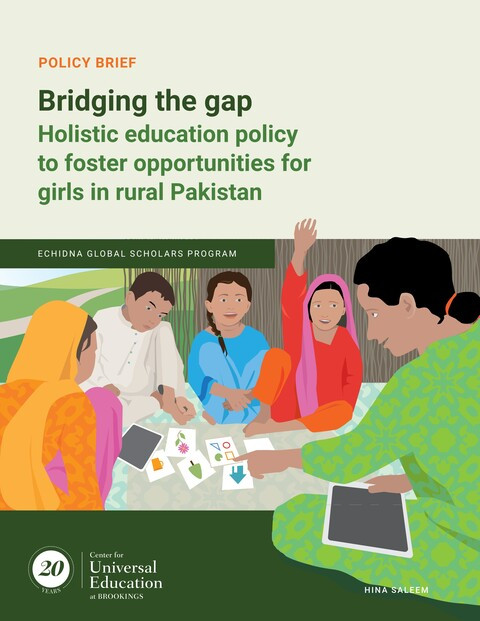 Bridging the Gap: Holistic Education Policy to Foster Opportunities for Girls in Rural Pakistan 出版年份: 2023 作者: Hina Saleem 机构作者: Center for Universal Education at Brookings Seven out of ten girls in rural Sindh are excluded from schooling. This happens for a myriad of reasons and occurs both in the presence and absence of operational school buildings. When schools are present, the challenges that children—especially girls—face due to their economic and social context often go unaddressed; children who are able to enroll in school often find their learning affected by classroom design and practices and experiences that mirror the exclusion they experience outside of school. At the broader level, this exclusion is reflected in limited representation of the needs and aspirations of sizable rural populations in Pakistan’s formal education system and the pathways beyond it. This policy brief presents findings from on-the-ground research in rural settlements in Sindh province that explores the disparities between boys and girls in enrollment and continuation of schooling in addition to overall inadequate education outcomes. It also provides policy recommendations to support all children and particularly girls in meeting their education needs and aspirations. Education policy must respond to these challenges of unmet education needs and aspirations by taking a holistic, welfare-based approach that supports children to overcome the effects of exclusionary conditions to meet their education needs. However, the benefits of such an approach can only be realized if teaching practices and learning experiences are contextualized, build a connection with local knowledge, question root causes of exclusion and support and prepare all children in negotiating pathways beyond education.
 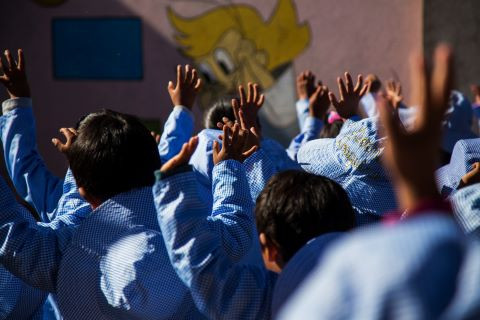 Weaving Education and Equity in Ibero-America 出版年份: 2024 作者: Ricardo Cuenca 机构作者: Organization of Ibero-American States for Education, Science and Culture (OEI) Addressing the complex relationship between education and inequality in Latin America is a challenge. Economic and social disparities create a complex network in the region. Despite progress, access remains an obstacle for many. During its 75-year history, the OEI has been working to break down the barriers that hinder equitable education for all. Ricardo Cuenca, member of the OEI Advisory Board, explains to what extent educational policies can contribute to mitigating these inequalities in Latin America. Tejiendo educación y equidad en Iberoamérica 出版年份: 2024 作者: Ricardo Cuenca 机构作者: Organización de Estados Iberoamericanos para la Educación, la Ciencia y la Cultura (OEI) Abordar la compleja relación entre educación y desigualdad en Iberoamérica es todo un desafío. Las disparidades económicas y sociales tejen un entramado complejo en la región. A pesar de los avances, el acceso sigue siendo un obstáculo para muchos. En esta travesía, la OEI ha venido trabajando durante sus 75 años de historia para derribar las barreras que obstaculizan una formación equitativa para todos. Ricardo Cuenca, miembro del Consejo Asesor de la OEI, nos explica hasta qué punto las políticas educativas pueden contribuir a mitigar esas desigualdades en Iberoamérica.
 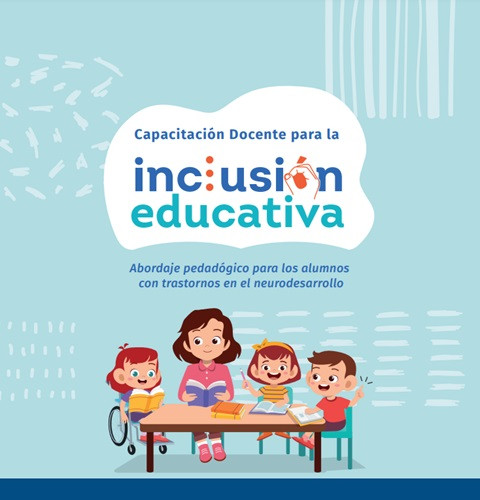 Teacher Training for Educational Inclusion: Pedagogical Approach for Students With Neurodevelopmental Disorders 出版年份: 2024 机构作者: Paraguay. Ministry of Education and Science | Organization of Ibero-American States for Education, Science and Culture (OEI) The course aims to design teacher training for educational inclusion with a specific pedagogical approach for students with neurodevelopmental disorders. This course is divided into ten modules, addressing fundamental topics such as: basic notions and concepts of inclusive education, the main paradigms and approaches, the types of accessibility necessary to eliminate barriers to learning and student participation. It also deals with the application of the dimensions of inclusive education (policy, practice and culture) and the exploration of the principles of reasonable adjustments and Universal Design for Learning (UDL). Capacitación docente para la inclusión educativa: Abordaje pedadógico para los alumnos con trastornos en el neurodesarrollo 出版年份: 2024 机构作者: Paraguay. Ministry of Education and Science | Organización de Estados Iberoamericanos para la Educación, la Ciencia y la Cultura (OEI) Con el objetivo de diseñar una capacitación docente para la inclusión educativa con un enfoque pedagógico específico para alumnos con trastornos en el neurodesarrollo. Este curso se divide en diez módulos, abordando temas fundamentales como: nociones y conceptos elementales de la educación inclusiva, los principales paradigmas y enfoques, los tipos de accesibilidad necesarios para eliminar barreras en el aprendizaje y la participación de los alumnos. Asimismo, trata de la aplicación de las dimensiones de la educación inclusiva (política, práctica y cultural) y de la exploración de los principios de los ajustes razonables y el Diseño Universal para el Aprendizaje (DUA).
  Index for Inclusion: Developing Learning and Participation in Schools 出版年份: 2015 作者: Tony Booth | Mel Ainscow 机构作者: Organization of Ibero-American States for Education, Science and Culture (OEI) | FUHEM Education This guide provides a set of support materials for self-assessment of all aspects of a school, related to inclusive education, including activities at recess and in the classroom, as well as in the communities and in the context in which it's found. All staff, parents and guardians, as well as the students themselves (whether children, adolescents, or youth) are invited to contribute to the implementation of a plan for inclusion. Guía para la Educación Inclusiva: Desarrollando el aprendizaje y la participación en los centros escolares 出版年份: 2015 作者: Tony Booth | Mel Ainscow 机构作者: Organización de Estados Iberoamericanos para la Educación, la Ciencia y la Cultura (OEI) | FUHEM Education Está guía brinda un conjunto de materiales de apoyo a la autoevaluación de todos los aspectos de un centro escolar, relacionados con la educación inclusiva, incluyendo las actividades en el recreo y en las aulas, así como en las comunidades y en el contexto en el que se encuentra. Se invita a que todo el personal, los padres y tutores, así como los propios estudiantes (sean niños, adolescentes o jóvenes), contribuyan a la implementación de un plan para la inclusión.
  Transforming Education Conference for Humanity: TECH 2017, December 16-18, 2017; Post Event Report 出版年份: 2018 机构作者: Mahatma Gandhi Institute of Education for Peace and Sustainable Development (MGIEP) The three-day Transforming Education Conference for Humanity (TECH) 2017 organised by UNESCO Mahatma Gandhi Institute of Education for Peace and Sustainable Development (MGIEP) was held at Novotel Varun Beach, Visakhapatnam City, State of Andhra Pradesh, India from December 16 – 18, 2017. The first edition of TECH focused on digital pedagogies for building peaceful and sustainable societies through 21st century skills, schools and policies, towards achieving the United Nations Sustainable Development Goal 4, Target 7.TECH 2017 was attended by over 1,700 registered participants (including teachers, educators, learners, policy-makers, technology and gaming experts, amongst others) from 75 countries and witnessed highly engaging deliberations on the future of education, particularly on the innovative methods of teaching using technology.The Conference was generously supported by the State Government of Andhra Pradesh, India and the Ministry of Human Resource Development, Government of India and sponsored by Microsoft India (Education Technology Partner), Samsung India, Dassault Systems, Veative (Immersive Learning Partner) and McGraw Hill (Learning Science Partner). The Knowledge Partners of the Conference included NMIMS, Ubisoft, Quebec Government, ISTE, Social Alpha, EDB and IYC.TECH will be held annually over the next five years with a long term aim of affecting global policy change on the usage of digital pedagogies to render quality and inclusive education for all.