
相关资源
探索丰富的全球公民教育资源,深化理解,促进研究、倡导、教学与学习。
共找到2,813条结果
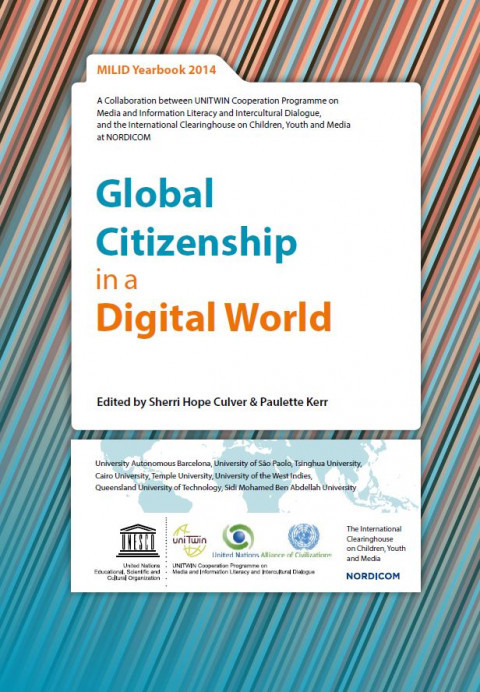 Global Citizenship in a Digital World (The MILID Yearbook, 2014) 出版年份: 2014 作者: Sherri Hope Culver | Paulette Kerr 机构作者: International Clearinghouse on Children, Youth and Media (Sweden) | NORDICOM | University of Gothenburg The theme of the 2014 Yearbook is Global Citizenship in a Digital World. Global citizenship assumes ease of participation in global spaces in which persons are media and information literate and are equipped with competencies and attitudes to deal with the multi-faceted nature of a mediated world in which information is no longer bound by space or time. The unprecedented access to and use of media and Internet technologies for communication and collaboration especially among youth, suggest that effective strategies must be found to enable active critical inquiry and effective media production. The proliferation of mediated spaces throughout education environments, as well as personal and professional environments, does not in itself guarantee that citizens will consider their role as global citizens as they create and consume media. This awareness must be cultivated, encouraged and taught.The 2014 MILID Yearbook brings together a range of reviewed articles, which articulate the theme of global citizenship from varied perspectives and regions of the world. The articles represent different expressions on media and information literacy from researchers and practitioners who offer bold new strategies, share research findings and best practices, and share musings and reflections.
 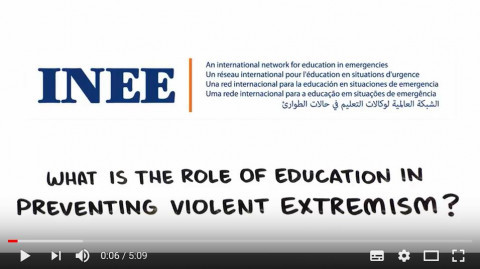 [فيديو] منع التطرف العنيف 出版年份: 2017 机构作者: INEE و لتوضيح دور التعليم في منع التطرف العنيف .ويتناول الفيديو الذي يستغرق مدته ٥ دقائق - وهو متاح باللغات الإنجليزية والعربية والفرنسية والإسبانية والبرتغالية - بعض التعريفات الخاصة ببرنامج التعليم والتدريب المهني ودور التعليم في تعزيز بيئات شاملة ومنصفة وتشجيع التفكير النقدي وتعزيز التسامح واحترام التنوع، مما يساهم في توسيع التماسك الاجتماعي والحد من العنف بجميع أشكاله.لمزيد من المعلومات حول التعليم و منع التطرف العنيف يرجى زيارة موقع الإيني، حيث يمكنكم/ن العثور على الأنشطة والموارد الرئيسية، بما في ذلك كتالوج المنسقين/ات لموارد منع التطرف العنيف. [Video] Preventing Violent Extremism (English w/subtitles) 出版年份: 2017 机构作者: Inter-agency Network for Education in Emergencies (INEE) The number of violent extremist attacks committed across the world has increased sharply in recent years. And there are more attacks on schools and students than ever before. So, why is this happening and what can be done to change this pattern?The Inter-Agency Network for Education in Emergencies (INEE) has developed a whiteboard video to illustrate education’s role in preventing violent extremism (PVE). The 5-minute video -- available in English, Arabic, French, Spanish, and Portuguese -- looks at some definitions of PVE and education’s role in fostering inclusive and equitable environments, encouraging critical thinking, promoting tolerance and respect for diversity, and thereby contributing to wider social cohesion and the reduction of violence in all forms.For further information on education and PVE, please visit the INEE website (www.ineesite.org/preventing-violent-extremism), where you can find key activities and resources, including a curated catalogue of PVE resources. [Vídeo] Previniendo el Extremismo Violento (subtítulos en español) 出版年份: 2017 机构作者: Inter-agency Network for Education in Emergencies (INEE) El número de ataques extremistas violentos cometidos en todo el mundo ha aumentado considerablemente en los últimos años. Y hay más ataques que nunca en las escuelas y hacia estudiantes. Entonces, ¿por qué está sucediendo esto y qué se puede hacer para cambiar este patrón?La Red Interinstitucional para la Educación en Situaciones de Emergencia (INEE) ha desarrollado un video de pizarra para ilustrar el papel de la educación en la prevención del extremismo violento (PVE). El video de 5 minutos - disponible con subtítulos en inglés, árabe, francés, español y portugués - examina algunas definiciones de PVE y el papel de la educación en fomentar ambientes inclusivos y equitativos, fomentar el pensamiento crítico, promover la tolerancia y el respeto a la diversidad, Contribuyendo así a una mayor cohesión social ya la reducción de la violencia en todas sus formas.Para más información sobre educación y PVE, visite el sitio web de la INEE (www.ineesite.org/preventing-violent-extremism), donde encontrará actividades clave y recursos, incluyendo un catálogo de recursos de PVE.
 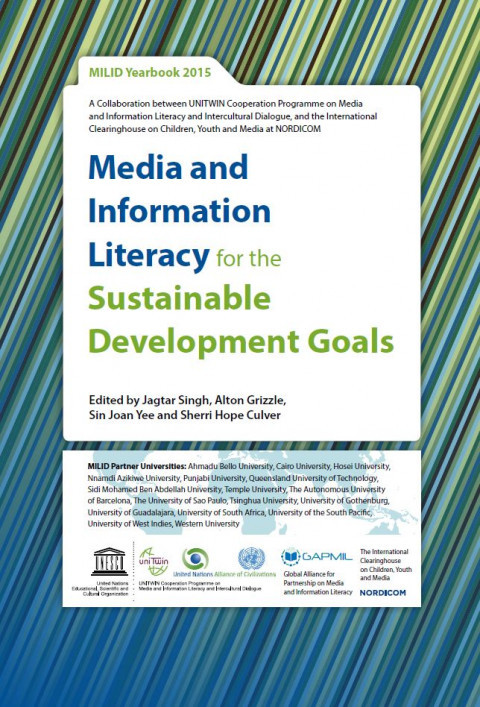 Media and Information Literacy for the Sustainable Development Goals (The MILID Yearbook 2015) 出版年份: 2015 作者: Jagtar Singh | Alton Grizzle | Sin Joan Yee | Sherri Hope Culver 机构作者: International Clearinghouse on Children, Youth and Media (Sweden) In the year 2000, governments and development partners all over the world agreed on eight global development targets called the Millennium Development Goals (MDGs). The year 2015 is a pivotal year as it marks the end of the period during which the MDGs were to be reached and the year in which new global development targets are to be set. These new targets are referred to as the Post-2015 Sustainable Development Goals (SDGs). This process is in its highest gear with ongoing debates and consultative meetings/initiatives globally both online and offline. While much progress has been made, achievement of the MDGs has been mixed across countries. The centrality of information and communication to development is irrefutable. The MILID Yearbook provides a case for media and information literacy (MIL) as a tool for open and inclusive sustainable development.The 2015 edition of the MILID Yearbook displays how media and information literacy can be helpful in facilitating progress and achievement of the sustainable development goals. It is sincerely hoped that the articles in this yearbook will go a long way to sensitize the stakeholders about the role and value of MIL in sustainable development of one and all across frontiers. [Vidéo] Prévention de l'extrémisme violent (sous-titres en français) 出版年份: 2017 机构作者: Inter-agency Network for Education in Emergencies (INEE) Le nombre d’attaques extrémistes violentes perpétrées dans le monde ces dernières années a gravement augmenté. Il y a de plus en plus d’attaques contre les écoles et les étudiants qu’avant. Pourquoi cela se passe-t-il et que pouvons nous faire pour changer ce schéma?Cette vidéo de 5 minutes-- disponible avec des sous-titres en anglais, français, espagnol et portugais-- présente des définitions de PVE et du rôle de l’éducation afin de promouvoir des environnements inclusifs et équitables, qui encouragent la pensée critique, la promotion de la tolérance et du respect pour la diversité et contribuent ainsi à une plus grande cohésion sociale et à la réduction de la violence sous toutes ses formes.Pour plus d’informations sur l’éducation et PVE, veuillez visiter la page web de l’INEE (www.ineesite.org/preventing-violent-extremism),où vous pourrez trouver des activités clés et des ressources, y compris un catalogue des ressources PVE.
 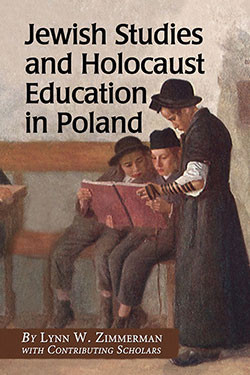 Jewish Studies and Holocaust Education in Poland This volume examines how people in Poland learn about Jewish life, culture and history, including the Holocaust. The main text provides background on concepts such as culture, identity and stereotypes, as well as on specific topics such as Holocaust education and curriculum, various educational institutions, and the connection of arts and cultural festivals to identity and culture. It also gives a brief overview of Polish history and Jewish history in Poland, as well as providing insight into how the Holocaust and Jewish life and culture are viewed and taught in present-day Poland. This background material is supported by essays by Poles who have been active in the changes that have taken place in Poland since 1989. A young Jewish-Polish man gives insight into what it is like to grow up in contemporary Poland, and a Jewish-Polish woman who was musical director and conductor of the Jewish choir Tslil gives her view of learning through the arts. Essays by Polish scholars active in Holocaust education and curriculum design give past, present and future perspectives of learning about Jewish history and culture. (By the publisher)
 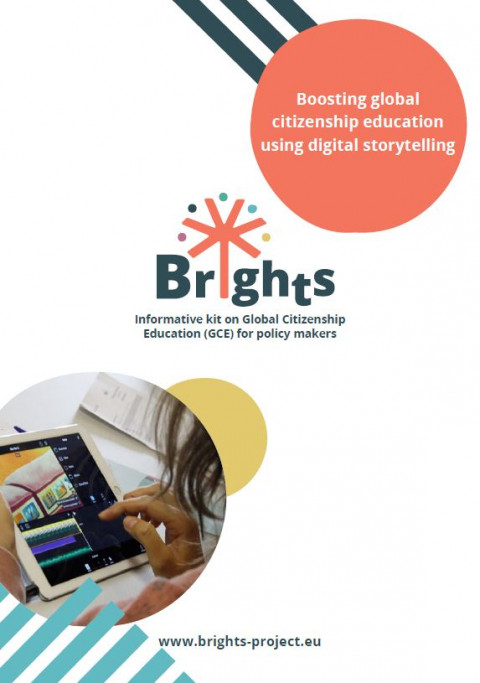 Informative Kit on Global Citizenship Education (GCE) for Policy Makers: Boosting Global Citizenship Education Using Digital Storytelling 出版年份: 2017 机构作者: European Union (EU) | European Commission This informative kit aims to equip policy makers with all the necessary knowledge about the role that Global Citizenship Education (GCE) can play in contemporary society. This document will summarize GCE, its principles, capabilities and advantages and will provide best cases regarding its application. The goal is to convince policy makers into adopting GCE in the training and education curricula. Furthermore, it presents the Digital Storytelling (DS) method and its benefits as a tool to teach GCE more effectively.
 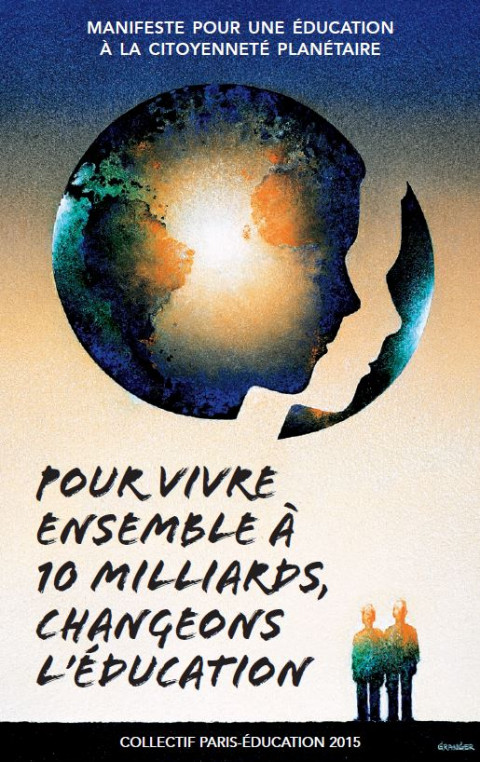 Manifeste pour une éducation à la citoyenneté planétaire: Pour vivre ensemble à 10 milliards, changeons l'éducation 出版年份: 2015 机构作者: Collectif Paris-Education 2015 Face à l’ampleur, l’urgence, la diversité et la complexité des problématiques engendrées par le modèle de développement de nos sociétés contemporaines, nous sommes donc obligés, dans l’urgence, de nous pencher sur les questions d’éducation et de formation des générations futures qui devront affronter des réalités biophysiques, économiques et politiques inédites, dont nous commençons à peine à entrevoir l’ampleur. Ce qui est dès lors en jeu, avec l’avenir de l’homme et de la Terre, c’est l’humain, ce qu’il deviendra, ce qu’il sera capable de porter comme projet pour l’humanité.Quelles qualités d’humains devons-nous faire advenir pour que ces réalités inédites puissent être rencontrées demain, sans que l’humanité bascule dans la violence et le dépeçage égoïste de la planète? Quels enfants voulons-nous laisser à notre Terre?Cette urgence impose un changement d’échelle dans la transformation des systèmes éducatifs, des contenus et des méthodes d’enseignement. Malgré la volonté et la compétence de nombreux acteurs de l’école, force est de constater que les actions menées pour une éducation plus en cohérence avec les enjeux climatiques et, plus largement, sociétaux restent à la marge. Elles sont réalisées par des individus clairvoyants. Il est temps d’enclencher la vitesse supérieure.
  Que valent les apprentissages en histoire, géographie et éducation à la citoyenneté ? : Colloque international des didactiques de l'histoire, de la géographie et de l'éducation à la citoyenneté 出版年份: 2014 作者: Caroline Leininger | Angelina Ogier | Sylvain Genevois 机构作者: Institut national de recherche pédagogique L’histoire et la géographie scolaires, de même que l’éducation à la citoyenneté, sont des domaines sensibles, liés au politique et au contexte social et sociétal dans lequel ils s’inscrivent. Si les recherches en didactique ont constaté dans les années 1990 une grande stabilité de l’histoire et la géographie scolaires, elles interrogent aujourd’hui plus spécifiquement les changements curriculaires et les recompositions qu’ils entraînent (thèmes des deux dernières éditions du colloque (Nantes, 2008, Lausanne 2009). Ces changements découlent de choix politiques et de savoirs universitaires, et redéfinissent le projet de ces disciplines et ses finalités. L'élève devient ainsi à l'issue de sa scolarité : un acteur de la société, un citoyen, un acteur économique, membre de communautés culturelles et politiques, un individu épanoui etc.Ce choix de finalités est aussi un choix de valeurs, explicites ou non dans les prescriptions, assumées ou non par les enseignants, par les élèves, les parents. Ce constat amène à questionner les articulations entre les apprentissages disciplinaires d’une part, et les apprentissages sociaux et politiques d’autre part. Les définitions de ces apprentissages, leur légitimité et leurs évaluations posent également question. Enseignants, décideurs, formateurs, didacticiens peuvent ainsi se demander ce que valent les apprentissages en histoire, en géographie et en éducation à la citoyenneté, tant du point de vue de leur reconnaissance disciplinaire et sociale que du point de vue des valeurs qui leur sont associées. Cet ouvrage cherche à questionner les articulations entre les apprentissages disciplinaires et les apprentissages sociaux et politiques.