
相关资源
探索丰富的全球公民教育资源,深化理解,促进研究、倡导、教学与学习。
共找到2,813条结果
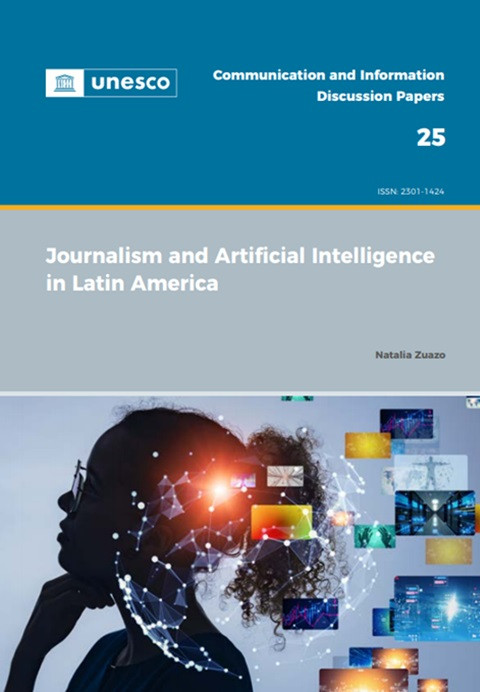 Periodismo e inteligencia artificial en América Latina 出版年份: 2023 作者: Natalia Zuazo 机构作者: UNESCO Montevideo En un contexto de crecimiento exponencial de la inteligencia artificial (IA) y predominancia tecnológica en todas las esferas de la vida –económica, social, cultural, ambiental y política-, este Cuaderno explora el impacto de la IA en el periodismo desde una perspectiva crítica y ética, con especial atención a América Latina. Se abordan desigualdades y desafíos inherentes a la implementación de la IA en la región. Con ello, se busca ofrecer una herramienta útil en la formación continua de estudiantes y profesionales de medios de comunicación.
  Address by Irina Bokova, Director-General of UNESCO, on the occasion of the reception hosted by Ambassador Ronald Lauder, President of the World Jewish Congress 出版年份: 2017 机构作者: UNESCO. Director-General, 2009-2017 (Bokova, I.G.) This address was delivered by Irina Bokova, Director-General of UNESCO, on the occasion of the reception hosted by Ambassador Ronald Lauder, President of the World Jewish Congress; New York, 17 September 2017. Journalism and Artificial Intelligence in Latin America 出版年份: 2023 作者: Natalia Zuazo 机构作者: UNESCO Montevideo In a context of exponential growth of artificial intelligence (AI) and technological dominance in all spheres of life — economic, social, cultural, environmental, and political —, this Paper explores the impact of AI on journalism from a critical and ethical perspective, with special attention to Latin America. It addresses inequalities and challenges inherent in the implementation of AI in the region. The aim is to offer an useful tool in the continuous training of students and media professionals.
 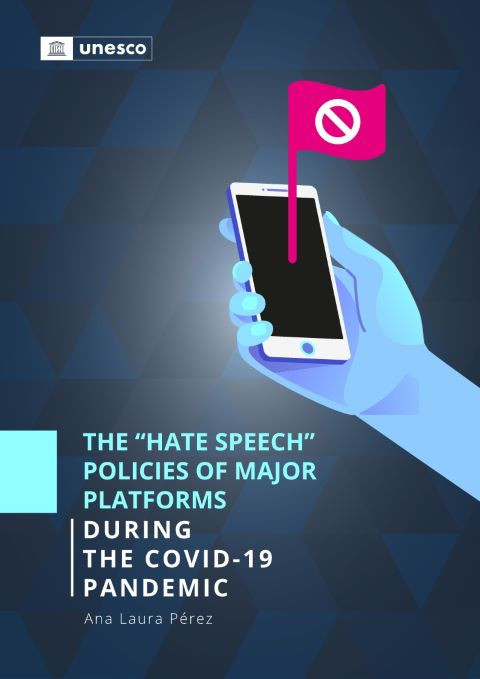 Les politiques des grandes plateformes sur le discours de haine pendant la COVID-19 出版年份: 2021 机构作者: UNESCO Montevideo Ce document fait état d’une augmentation des messages considérés comme des discours de haine sur Facebook, Twitter et YouTube, depuis l’avènement de la pandémie de COVID-19. Bien qu’inégale, cette augmentation peut être établie à partir des rapports de transparence des différentes plateformes et de la croissance enregistrée dans la modération de ces contenus à partir de mars 2020. Étant donné qu’au cours de la même période, et en conséquence des mesures d’isolement prises dans la plupart des pays du monde, les plateformes ont décidé d’accroître l’utilisation d’outils d’intelligence artificielle dans leurs processus de modération, il n’est pas possible d’être certain que cette croissance est due à une augmentation de la création et de la publication de messages ou à un changement dans les systèmes de détection qui a affecté les résultats d’une année à l’autre.
 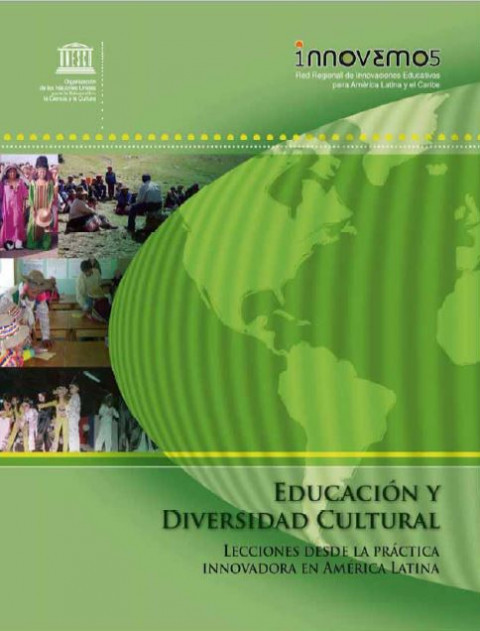 Educación y diversidad cultural: lecciones desde la práctica innovadora en América Latina 出版年份: 2008 作者: Carolina Hirmas R. 机构作者: UNESCO Santiago Esta publicación, que constituye el segundo volumen de la colección, es el resultado del análisis y la reflexión acerca de un conjunto experiencias educativas innovadoras de varios países de Latinoamérica, que responden con pertinencia pedagógica al contexto cultural de los estudiantes y ofrecen una educación orientada al conocimiento, comprensión y diálogo entre personas de diferentes culturas. El aporte significativo de las experiencias referidas, reside en el reconocimiento y valoración de la diversidad étnica y cultural de sus estudiantes y comunidades, como punto de partida para el desarrollo de nuevos aprendizajes y afirmación de su identidad. A su vez, la vida en los centros educativos promueve relaciones interculturales de respeto y fraternidad en un contexto sociogeográfico local y subregional, caracterizado por la multiculturalidad.
  Inclusion at the University of Meritorious Students in Situations of Social Vulnerability 出版年份: 2015 作者: Marcela Orellana | Karla Moreno | Francisco Javier Gil 机构作者: UNESCO Santiago | UNESCO Chair on Inclusion in Higher Education The first edition of this work was published by the OREALC / UNESCO Santiago for its dissemination among those attending the Education for All Ministerial Meeting in Latin America and the Caribbean: Balance and Challenges post 2015, within the framework of the Regional Education Project for America Latin America and the Caribbean (PRELAC), held in Lima, Peru on October 30 and 31, 2014. In this second edition, we are pleased to add other inclusion mechanisms that arise from the commitment of the UNESCO Chair in Inclusion in Higher Education, the valuable support from non-profit private foundations and the support of OREALC / UNESCO Santiago. The generation of these alliances constitutes a fundamental contribution to the collection of relevant information for the design of public policy proposals aimed at reducing the inequality gaps in higher education, guaranteeing the right to a quality education and to collaborate in the construction of societies with greater social justice. Inclusión a la universidad de estudiantes meritorios en situación de vulnerabilidad social 出版年份: 2015 作者: Marcela Orellana | Karla Moreno | Francisco Javier Gil 机构作者: UNESCO Santiago | UNESCO Chair on Inclusion in Higher Education La primera edición de este trabajo fue publicada por la OREALC/UNESCO Santiago para su difusión entre los asistentes a la Reunión Ministerial Educación para Todos en América Latina y el Caribe: Balance y desafíos post 2015, en el marco del Proyecto Regional de Educación para América Latina y el Caribe (PRELAC), realizada en Lima, Perú el 30 y 31 de octubre de 2014. En esta segunda edición, nos complace sumar otros mecanismos de inclusión que surgen del compromiso de la Cátedra UNESCO de Inclusión en la Educación Superior, el valioso apoyo de fundaciones privadas sin fin de lucro y el apoyo de la OREALC/UNESCO Santiago. La generación de estas alianzas constituye un aporte fundamental para el levantamiento de información relevante para el diseño de propuestas de políticas públicas tendientes a disminuir las brechas de desigualdad en la educación superior, a garantizar el derecho a una educación de calidad y a colaborar a la construcción de sociedades con mayor justicia social.
  Ocean Literacy for All: A Toolkit (IOC Manuals and Guides, 80) 出版年份: 2017 作者: Francesca Santoro | Selvaggia Santin | Gail Scowcroft | Géraldine Fauville | Peter Tuddenham 机构作者: UNESCO Venice Ocean literacy programs and projects, until now, have been mainly focusing on developing resources, lesson plans and activities targeting Science, Technology, Engineering and Mathematics (STEM) education. Currently, and in particular after the adoption of the Sustainable Development Goal (SDG) 14, we have assisted to a shift in the focus towards the inclusion of approaches closer to those developed under the UNESCO framework of Education for Sustainable Development (ESD).ESD aims to improve access to quality education on sustainable development at all levels and in all social contexts, to transform society by reorienting education and help people develop knowledge, skills, values and behaviors needed for sustainable development. Individuals are encouraged to be responsible actors who resolve challenges, respect cultural diversity and contribute to creating a more sustainable world. This publication is made of two parts. The first part presents the history of ocean literacy, and describes its framework made of 7 essential principles, and connects them to international ocean science programs that contributes to enhancing ocean knowledge and observations. Moreover, marine scientists and educators were interviewed to share their professional experiences on ocean literacy as well as their views on its future. The last chapter of part 1 describes the existing challenges to marine education, as well as the path for the development of successful ocean literacy activities in the context of the 2030 Agenda. One of the most important factors identified is related to the creation of multi-sector partnerships among the education, government, and private sector that have jointly built ocean literacy programs for all formal educational levels from the primary school to the university level as well as for non-formal learners. Worldwide examples of such programs are presented. The second part, after introducing the methodological approach based on the multi-perspective framework for ESD developed by UNESCO, presents 14 activities that could provide tested examples and support for the implementation of marine education initiatives. The aim is not to provide a one size-fits-all ready to use collection, but rather to offer support and examples of what could be then adapted for different geographical and cultural contexts. The resources are designed to be relevant for all learners of all ages worldwide and to find their application in many learning settings, while in their concrete implementation they will, naturally, have to be adapted to the national or local context. Cultura oceánica para todos: kit pedagógico (COI Manuales y guías, 80) 出版年份: 2017 作者: Francesca Santoro | Selvaggia Santin | Gail Scowcroft | Géraldine Fauville | Peter Tuddenham 机构作者: UNESCO Venice Más que un concepto, la cultura oceánica es una herramienta fundamental para mejorar el conocimiento sobre el océano y estimular la participación activa de los ciudadanos y de las partes interesadas en la implementación de acciones sostenibles. Es también una manera de promover prácticas de producción sostenible, formular sólidas políticas públicas marinas, promover una ciudadanía más responsable, y animar a los jóvenes a iniciar una carrera en la economía azul o en las ciencias oceánicas. Esta publicación pretende describir y revisar los actuales enfoques, iniciativas, programas y proyectos sobre cultura oceánica. La primera parte ilustra los principios esenciales de la cultura oceánica y evidencia el conocimiento científico subyacente a través de estudios de casos, datos históricos e información cultural. Asimismo, muestra los esfuerzos actuales que realiza la cultura oceánica desde una perspectiva multidisciplinaria mediante entrevistas a expertos, educadores y científicos que trabajan y estudian en todo el mundo. La segunda parte presenta catorce actividades que proporcionan herramientas y buenas prácticas basadas en las competencias clave necesarias para que alumnos de todas las edades conozcan y se comprometan activamente con los temas sobre el desarrollo sostenible. Estas actividades pueden ser adaptadas a las necesidades y a los recursos disponibles. Las referencias adicionales que se proporcionan sirven para ampliar la información de los temas propuestos. Con este manual, la UNESCO y su Comisión Oceanográfica Intergubernamental (COI) pretenden que los países y las partes interesadas participen en el desarrollo de actividades interdisciplinarias y culturalmente diversas sobre cultura oceánica a escala mundial.
  Developing reflective citizens: The role of Holocaust education In what way can we best conceptualize the relationship of Holocaust education to the broader goal of developing reflective citizens? Keeping in mind the diversity of our audience while simultaneously recognizing the traditions of social studies education in the United States, the author argues that Holocaust education should be integrated within the rationale of educating young people to reflect upon issues that have direct relationships to (1) the development of values and (2) the fostering of behaviours emphasizing social responsibility. In short, Holocaust education ‒ meaning the design of curricula, creation of pedagogical strategies and evaluation of student performance ‒ can be a critical component in developing a citizenry who are capable of addressing global problems such as human rights violations and genocide by employing a reflective understanding of history and its relationships to present and future policies and practices, irrespective of national boundaries (By the author)