
相关资源
探索丰富的全球公民教育资源,深化理解,促进研究、倡导、教学与学习。
共找到2,813条结果
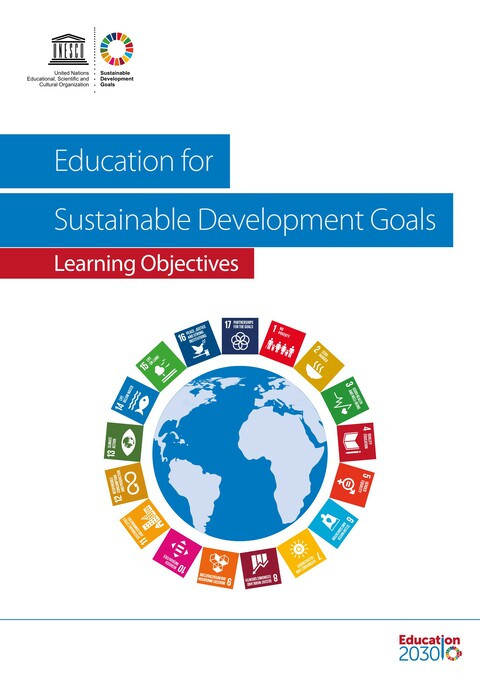 L’éducation en vue des objectifs de développement durable: Objectifs d’apprentissage 出版年份: 2017 机构作者: Organisation des Nations Unies pour l'éducation, la science et la culture (UNESCO) L’UNESCO promeut l’éducation en vue du développement durable (EDD) depuis 1992. Après avoir été le chef de file de la Décennie des Nations Unies pour l’éducation au service du développement durable de 2005 à 2014, elle est maintenant le fer de lance du Programme d’action global pour l’éducation en vue du développement durable qui lui a succédé. La dynamique en faveur de l’EDD n’a jamais été aussi forte. Des enjeux planétaires, tels que le changement climatique, exigent d’urgence un changement de nos modes de vie et une transformation de notre façon de penser et d’agir. Pour y parvenir, nous avons besoin de compétences, de valeurs et d’attitudes nouvelles qui conduisent à des sociétés plus viables. Les systèmes éducatifs doivent répondre à ce besoin urgent en définissant des objectifs et des contenus d’apprentissage pertinents, en proposant des pédagogies qui autonomisent les apprenants et en pressant leurs établissements d’intégrer les principes de la durabilité dans leurs structures de gestion. Le nouveau Programme mondial de développement durable à l’horizon 2030 reflète clairement cette vision de l’importance d’une réponse éducative adaptée. L’éducation est explicitement présentée comme un objectif autonome dans l’Objectif de développement durable 4. De nombreux indicateurs et cibles relatifs à l’éducation sont également intégrés à d’autres Objectifs de développement durable (ODD). L’éducation est à la fois un but en soi et un moyen de réaliser tous les autres ODD ; elle est non seulement un élément à part entière du développement durable, mais elle en est également l’un des principaux moteurs. C’est pourquoi l’éducation représente une stratégie essentielle dans la réalisation des ODD. La présente publication est conçue pour guider les professionnels de l’éducation en leur montrant comment faire de l’EDD un apprentissage au service des ODD et donc contribuer à la réalisation de ces objectifs. Il propose une liste indicative d’objectifs d’apprentissage et suggère des thèmes et des activités d’apprentissage pour chaque ODD. Il présente également des méthodes de mise en œuvre aux différents niveaux de l’enseignement, des plans de cours aux stratégies nationales. Ce guide ne se veut en aucun cas prescriptif ; il vise à offrir des conseils et des suggestions que les éducateurs pourront choisir et adapter à des situations d’apprentissage concrètes. Educación para los Objetivos de Desarrollo Sostenible: Objetivos de aprendizaje 出版年份: 2017 机构作者: Organización de las Naciones Unidas para la Educación, la Ciencia y la Cultura (UNESCO) Desde 1992, la UNESCO ha promovido la Educación para el Desarrollo Sostenible (EDS). Entre 2005 y 2014, coordinó el Decenio de las Naciones Unidas de la EDS, y ahora está llevando a cabo el programa de seguimiento, el Programa de Acción Mundial sobre la EDS. El impulso de la EDS nunca ha sido más fuerte. Temas mundiales –como el cambio climático- requieren de forma urgente un cambio en nuestros estilos de vida y una transformación en nuestra forma de actuar y pensar. Para lograrlo, necesitamos nuevas competencias, actitudes y conductas que nos conduzcan a sociedades más sostenibles. Los sistemas educativos tienen que responder a esta necesidad a la hora de definir los objetivos y contenidos de aprendizaje pertinentes, introduciendo pedagogías que empoderen a los alumnos e instando a las instituciones a incluir los principios de sostenibilidad en sus estructuras de gestión. La nueva agenda mundial para el desarrollo sostenible 2030 refleja claramente esta visión de la importancia de una respuesta educativa apropiada. La educación está explícitamente formulada como un objetivo independiente en el Objetivo de Desarrollo Sostenible número 4. Metas e indicadores relacionados con la educación también están incluidos en otros ODS. La educación de calidad es tanto una meta en sí misma como un medio para lograr todos los otros ODS, porque es parte integral del desarrollo sostenible y un facilitador clave del mismo. Es por ello que la educación representa una estrategia esencial en la consecución de los ODS. Este documento ha sido diseñado para guiar a los profesionales de la educación en el uso de la EDS en el aprendizaje para los ODS y, en consecuencia, para lograr los ODS. Esta guía identifica objetivos específicos de aprendizaje y sugiere temas y actividades para cada ODS. También presenta métodos de implementación a distintos niveles, desde el diseño de cursos hasta las estrategias nacionales. Este documento no busca de ninguna forma ser prescriptivo, sino servir como una guía y ofrecer sugerencias que los educadores puedan seleccionar y adaptar a contextos específicos de aprendizaje. Цели образования в интересах устойчивого развития: Задачи обучения 出版年份: 2017 机构作者: Организация Объединенных Наций по вопросам образования, науки и культуры (UNESCO) ЮНЕСКО занимается поощрением образования в интересах устойчивого развития (ОУР) с 1992 г. Организация сыграла ведущую роль в проведении Десятилетия образования в интересах устойчивого развития Организации Объединенных Наций (2005- 2014 гг.), а сегодня возглавляет усилия, связанные с последующей деятельностью по итогам ДОУР и осуществлением Глобальной программы действий (ГПД) по образованию в интересах устойчивого развития. Потребность в ОУР еще никогда не была настолько актуальной. Глобальные проблемы, такие как изменение климата, диктуют необходимость безотлагательной трансформации нашего образа жизни, нашего менталитета и наших привычек. Для того, чтобы эти изменения стали реальностью, нам нужны новые практические навыки, ценностные ориентиры и поведенческие установки, которые обеспечат построение более устойчивых обществ. Системы образования должны реагировать на эту насущную потребность посредством формулирования соответствующих задач и содержания обучения, применения методик, расширяющих возможности учащихся, активного поощрения своих учреждений к внедрению принципов устойчивого развития в структурах управления образовательных учреждений. Такое понимание значимости адекватного реагирования со стороны систем образования получило наглядное отражение в новой Повестке дня в области устойчивого развития на период до 2030 г. В этом документе образование представлено в виде отдельной цели в области устойчивого развития (ЦУР 4). Целый ряд других целей в области устойчивого развития (ЦУР) также включает задачи и целевые показатели, связанные с образованием. Образование – это одновременно самостоятельная цель и средство для достижения всех остальных ЦУР. Оно является не только неотъемлемой частью, но и ключевым фактором устойчивого развития. В связи с этим оно представляет собой важнейшую область с точки зрения реализации ЦУР. Настоящая публикация призвана стать руководством для специалистов в области образования по вопросам применения принципов ОУР в обучении в интересах достижения целей в области устойчивого развития. Таким образом, она призвана содействовать достижению ЦУР. В этом руководстве сформулированы типовые задачи обучения и предложены темы и практические учебные задания по каждой ЦУР. В нем также представлены методы реализации этих задач на различных этапах - от разработки учебных курсов до формулирования национальных стратегий. Руководство не носит директивного характера, а является методологической основой и предлагает решения, которые могут быть использованы специалистами в области образования и адаптированы ими для конкретных условий обучения.
  The Green office model: making universities more sustainable 出版年份: 2016 作者: Roman Lehnhof | Cathy Nolan 机构作者: UNESCO ESD Success Stories are showcasing compelling stories with a personal/human dimension from all five UNESCO regions (Africa, Arab States, Asia and Pacific, Europe & North America and Latin America & the Caribbean). The stories illustrate the wide diversity of ESD approaches and initiatives taking place in different parts of the world. They show how involvement with ESD has changed the lives of specific individual persons and how they have become more active in their community. Each story centers on one individual or a group of individuals.The rootAbility, a social enterprise, is planned by four students at Maastricht University, aiming to spread Green Office Model across Europe. The Green Office can effectively drive a dynamic sustainability process in universities and other institutions of higher education by collaboratively working with students and university staffs and integrating sustainability into university’s teaching and research. Le Modèle du bureau vert: faire des universités des lieux de développement plus durable 出版年份: 2016 作者: Roman Lehnhof | Cathy Nolan 机构作者: Organisation des Nations Unies pour l'éducation, la science et la culture (UNESCO) ESD Success Stories are showcasing compelling stories with a personal/human dimension from all five UNESCO regions (Africa, Arab States, Asia and Pacific, Europe & North America and Latin America & the Caribbean). The stories illustrate the wide diversity of ESD approaches and initiatives taking place in different parts of the world. They show how involvement with ESD has changed the lives of specific individual persons and how they have become more active in their community. Each story centers on one individual or a group of individuals.The rootAbility, a social enterprise, is planned by four students at Maastricht University, aiming to spread Green Office Model across Europe. The Green Office can effectively drive a dynamic sustainability process in universities and other institutions of higher education by collaboratively working with students and university staff and integrating sustainability into university’s teaching and research El Modelo de la oficina de sostenibilidad: construyendo unas universidades más sostenibles 出版年份: 2016 作者: Roman Lehnhof | Cathy Nolan 机构作者: Organización de las Naciones Unidas para la Educación, la Ciencia y la Cultura (UNESCO) ESD Success Stories are showcasing compelling stories with a personal/human dimension from all five UNESCO regions (Africa, Arab States, Asia and Pacific, Europe & North America and Latin America & the Caribbean). The stories illustrate the wide diversity of ESD approaches and initiatives taking place in different parts of the world. They show how involvement with ESD has changed the lives of specific individual persons and how they have become more active in their community. Each story centers on one individual or a group of individuals.The rootAbility, a social enterprise, is planned by four students at Maastricht University, aiming to spread Green Office Model across Europe. The Green Office can effectively drive a dynamic sustainability process in universities and other institutions of higher education by collaboratively working with students and university staff and integrating sustainability into university’s teaching and research
  International Technical Guidance on Sexuality Education: An Evidence-Informed Approach for Schools, Teachers and Health Educators 出版年份: 2009 机构作者: UNESCO Based on a rigorous and current review of evidence on sexuality education programmes, this International Technical Guidance on Sexuality Education is aimed at education and health sector decision-makers and professionals. It has been produced to assist education, health and other relevant authorities in the development and implementation of school-based sexuality education programmes and materials. Volume I focuses on the rationale for sexuality education and provides sound technical advice on characteristics of effective programmes. A companion document, (Volume II ) focuses on the topics and learning objectives to be covered in a ‘basic minimum package’ on sexuality education for children and young people from 5 to 18+ years of age and includes a bibliography of useful resources. The International Technical Guidance is relevant not only to those countries most affected by HIV and AIDS, but also to those facing low prevalence and concentrated epidemics.
  Молодежь и насильственный экстремизм в социальных медиа: Сопоставление исследований 出版年份: 2017 作者: Séraphin Alava | Divina Frau-Meigs | Ghayda Hassan 机构作者: Организация Объединенных Наций по вопросам образования, науки и культуры (UNESCO) Приводят ли социальные сети уязвимых людей к насилию? Многие люди верят, что это так. И они отвечают на такую возможность введением цензуры, слежкой и контрпропагандой. Но что мы действительно знаем об Интернете как о причине и что мы знаем о влиянии этих реакций? Во всем мире правительства и интернет-компании принимают решения на основе предположений о причинах и средствах защиты от насильственных нападений. Задача состоит в том, чтобы обеспечить надежные обоснования для проводимого анализа и принимаемых ответных мер. Необходима политика, которая строится на основе фактов и доказательств, а не основывается на догадках - или движимая паникой и страхом. Именно в этом контексте ЮНЕСКО заказала исследование под названием «Молодежь и насильственный экстремизм в социальных сетях». В данной работе представлено глобальное сопоставление исследований (проведенных в основном в период 2012-2016 гг.), посвященных изучению предполагаемой роли, которую играют социальные сети в процессах насильственной радикализации, особенно когда они затрагивают молодежь и женщин.
 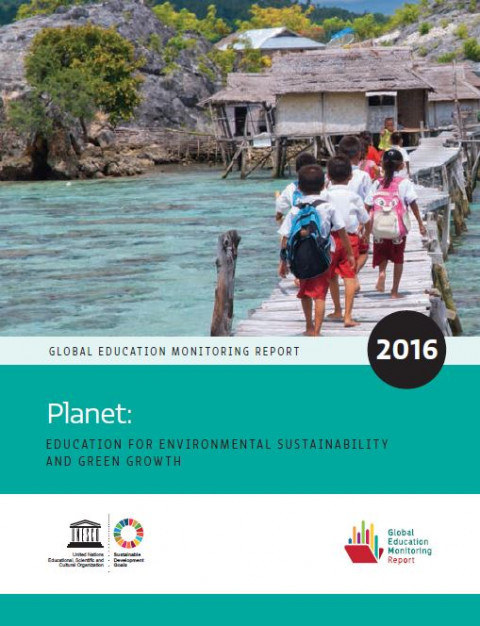 Global Education Monitoring Report, 2016: Planet: Education for Environmental Sustainability and Green Growth 出版年份: 2016 机构作者: UNESCO PLANET: Education for environmental sustainability and green growth, a publication taken from the full 2016 Global Education Monitoring Report, explores the knowledge and skills needed for sustainable and inclusive economic growth that does not damage our planet.This publication demonstrates how education can help people understand and respond to environmental issues and climate change. Environmental education can increase green knowledge and build sustainability practices. The publication warns that while education contributes to economic growth, education systems must be careful not to encourage unsustainable lifestyles and all learners must acquire the knowledge and skills needed to promote sustainable development.It also argues that we must continue to learn throughout our lives in order to make production and consumption sustainable, and to provide green skills for green industries. Creating green industries relies on high-skill workers with specific training, yet by 2020 there could be 40 million too few workers with tertiary education relative to demand. Higher education and research should also be oriented towards green innovation and growth; innovation depends on cooperation in higher education and investment in research and development to transform production in vast swaths of the economy.It also recognises that education must change in order to keep up with the changing face of work. Green and transferable skills should be taught in both school and the workplace. The greening of industries requires not only the production of more high-skill workers, but the continued training and education for low and medium skill workers, often on the job. “To ensure the Sustainable Development Goals are implemented, everyone involved needs to think, to work, to organise, to communicate and to report in ways that are completely different from what has been done up till now. Education truly is key to a wide appreciation not just of the SDGs but the new ways of thinking and working that are going to be necessary to fulfil them. So the challenge to all of us is to re-learn, and that does not just apply to educators, but it applies to all of us.”
  Guidelines on Sustainability Science in Research and Education 出版年份: 2017 机构作者: UNESCO “Guidelines on Sustainability Science in Research and Education” is the main output of the international UNESCO project “Broadening the Application of the Sustainability Science Approach” initiated in October 2015 with the support of the Japanese Ministry of Education, Culture, Sports, Science and Technology (Japan/MEXT) to identify good practices and develop policy guidelines to help Member States harness the potential of sustainability science in their sustainable development strategies.This project aimed to help UNESCO Member States and other stakeholders introduce or reinforce a sustainability science approach into transdisciplinary research and education, to enable them to better respond to global challenges, through three symposia to foster dialogue and collaboration among experts and policy-makers. Based on the joint efforts of UNESCO’s Natural Sciences Sector, Social and Human Sciences Sector, Education Sector and Regional Science Bureau for Asia and the Pacific in Jakarta, the project benefited from the guidance of a multidisciplinary steering committee and a drafting sub-committee.For further information on Sustainability Science, please visit: https://en.unesco.org/sustainability-science