
相关资源
探索丰富的全球公民教育资源,深化理解,促进研究、倡导、教学与学习。
共找到2,768条结果
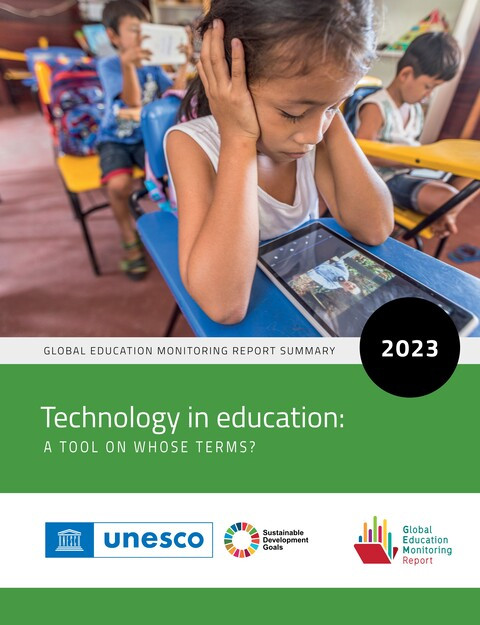 [резюме] ВСЕМИРНЫЙ ДОКЛАД ПО МОНИТОРИНГУ ОБРАЗОВАНИЯ РЕЗЮМЕ 2023: Технологии в образовании; НА ЧЬИХ УСЛОВИЯХ? 出版年份: 2023 机构作者: UNESCO | Global Education Monitoring Report Team Вопрос о роли технологий в образовании уже давно вызывает бурные дискуссии. Способствуют ли они распространению знаний или же ставят под угрозу доступ к ним, позволяя избранному кругу лиц контролировать информацию? Открывают ли они безграничные возможности или же безвозвратно ведут нас к зависимому от технологий будущему? Уравнивают ли они возможности или же усугубляют неравенство? Следует ли использовать их при воспитании детей младшего возраста или же существуют риски для нормального развития детей? Закрытие школ в связи с пандемией COVID-19 и развитие генеративного искусственного интеллекта придали новый импульс обсуждению этих вопросов. Однако учитывая, что разработчики технологий зачастую идут на шаг впереди ответственных за принятие решений лиц, исследования в области образовательных технологий сопряжены с определенными трудностями. Надежных, объективных данных крайне мало. Задается ли общество правильными вопросами об образовании, прежде чем прибегнуть к помощи технологий? Информационно-коммуникационные технологии способны содействовать обеспечению справедливости и инклюзивности с точки зрения охвата находящихся в неблагоприятном положении учащихся и более широкого распространения знаний в удобных и доступных форматах. В определенных условиях и в рамках некоторых видов обучения они могут повышать качество преподавания и изучения базовых навыков. Так или иначе, цифровые компетенции становятся неотъемлемой частью набора базовых навыков. Цифровые технологии также могут способствовать управлению и повышению эффективности, помогая обрабатывать большие объемы данных об образовании. В то же время технологии могут приводить к изоляции, не соответствовать потребностям и быть обременительными, а иногда даже вредными. Правительства должны создавать надлежащие условия для обеспечения справедливого доступа к образованию для всех, регулировать использование технологий, с тем чтобы защитить учащихся от их негативного воздействия, и заниматься подготовкой учителей. В данном докладе рекомендуется внедрять технологии в образование на основании данных, подтверждающих их целесообразность, соответствие принципам справедливости, применимость и устойчивость. Иными словами, они должны использоваться с учетом интересов учащихся и в качестве дополнения к образованию, основанному на человеческом взаимодействии. Их следует рассматривать как инструмент, использование которого должно осуществляться на этих условиях. Во Всемирном докладе по мониторингу образования 2023 года приводится анализ того, что еще предстоит сделать для достижения к 2030 году целей в области образования, в то время, когда мир находится на полпути к установленному сроку. Образование играет не последнюю роль в технологическом прогрессе, однако оно также имеет решающее значение для достижения других целей в области развития. [摘要] 《全球教育监测报告》摘要 2023: 技术运用于教育; 谁来做主? 出版年份: 2023 机构作者: UNESCO | Global Education Monitoring Report Team 技术在教育中的角色长期以来一直引发激烈的争论。它是民主化知识的推动者,还是通过允许少数人控制信息而威胁民主?它提供无限机会,还是导致依赖技术的未来无法回头?它能够实现平等竞争,还是加剧不平等?应该在教授幼儿时使用,还是存在对其发展的风险?这场辩论受到了COVID-19疫情导致的学校关闭以及生成人工智能的出现的影响。 但由于开发者往往领先于决策者一步,教育技术的研究变得复杂。坚实、公正的证据相当稀缺。在将技术视为解决方案之前,社会是否正在就教育问题提出正确的问题?在追求技术的好处时是否意识到其中的风险? 信息和通信技术有潜力支持平等和包容,以实现与弱势学习者的接触和以引人入胜且经济实惠的方式传播更多知识。在某些情况下,对于某些类型的学习,它可以提高教学质量和学习基本技能。无疑,数字技能已成为基本技能包的一部分。数字技术还可以支持管理并提高效率,帮助处理更大量的教育数据。 然而,技术也可能造成排斥,并且可能是无关紧要且繁重的,甚至是有害的。政府需要确保创造适当的条件,为所有人提供公平的教育机会,对技术使用进行监管,以保护学习者免受其负面影响,并为教师做好准备。 本报告建议,在基于证据表明其适当、公平、可扩展和可持续的情况下引入技术到教育中。换句话说,其使用应符合学习者的最佳利益,并应与教师的面对面互动相辅相成。应将其视为一种工具,以这些条件来使用。 到2023年全球教育监测报告截止期限的中途,评估了实现2030年教育目标仍需走多远。教育是实现其他发展目标的关键,尤其是技术进步的目标。
  Recommendation on the Ethics of Artificial Intelligence 出版年份: 2022 机构作者: UNESCO This Recommendation addresses ethical issues related to the domain of Artificial Intelligence to the extent that they are within UNESCO’s mandate. The protection of human rights and dignity is the cornerstone of this Recommendation. It is based on the advancement of fundamental principles such as transparency and fairness, and remembers the importance of human oversight of AI systems. However, what makes the Recommendation exceptionally applicable are its extensive Policy Action Areas, which allow policymakers to translate the core values and principles into action with respect to data governance, environment and ecosystems, gender, education and research, and health and social wellbeing, among many other spheres.
  Recomendación sobre la ética de la inteligencia artificial 出版年份: 2022 机构作者: UNESCO La presente Recomendación trata de las cuestiones éticas relacionadas con el ámbito de la inteligencia artificial en la medida en que competen al mandato de la UNESCO. Aborda la ética de la IA como una reflexión normativa sistemática, basada en un marco integral, global, multicultural y evolutivo de valores, principios y acciones interdependientes, que puede guiar a las sociedades a la hora de afrontar de manera responsable los efectos conocidos y desconocidos de las tecnologías de la IA en los seres humanos, las sociedades y el medio ambiente y los ecosistemas, y les ofrece una base para aceptar o rechazar las tecnologías de la IA. Considera la ética como una base dinámica para la evaluación y la orientación normativas de las tecnologías de la IA, tomando como referencia la dignidad humana, el bienestar y la prevención de daños y apoyándose en la ética de la ciencia y la tecnología.
  Recommandation sur l’éthique de l’intelligence artificielle 出版年份: 2022 机构作者: UNESCO La présente Recommandation traite des questions éthiques soulevées dans le domaine de l’intelligence artificielle, dans la mesure où celles-ci relèvent du mandat de l’UNESCO. Elle aborde l’éthique de l’IA en tant que réflexion normative systématique, basée sur un cadre global, détaillé, multiculturel et évolutif de valeurs, de principes et d’actions interdépendants de nature à orienter les sociétés pour qu’elles apportent des réponses responsables aux conséquences connues et inconnues des impacts des technologies de l’IA sur les êtres humains, les sociétés, l’environnement et les écosystèmes, et leur offre une base pour accepter ou rejeter les technologies de l’IA. Elle considère l’éthique comme une base dynamique pour l’évaluation et l’orientation normatives des technologies de l’IA, en faisant de la dignité humaine, du bien-être et de la prévention des dommages des repères et en s’appuyant sur l’éthique des sciences et des technologies.
  人工智能伦理问题建议书 出版年份: 2022 机构作者: UNESCO 本建议书述及与人工智能领域有关且属于教科文组织职责范围之内的伦理问题。建议书以能指导社会负责任地应对人工智能技术对人类、社会、环境和生态系统产生的已知和未知影响并相互依存的价值观、原则和行动构成的不断发展的整体、全面和多元文化框架为基础,将人工智能伦理作为一种系统性规范考量,并为社会接受或拒绝人工智能技术提供依据。建议书将伦理视为对人工智能技术进行规范性评估和指导的动态基础,以人的尊严、福祉和防止损害为导向,并立足于科技伦理。
  UNESCO’s Recommendation on the Ethics of Artificial Intelligence: Key Facts 出版年份: 2023 机构作者: UNESCO This brochure is a summary of "Recommendation on the Ethics of Artificial Intelligence". The Recommendation addresses ethical issues related to the domain of Artificial Intelligence to the extent that they are within UNESCO’s mandate. With its unique mandate, UNESCO’s Social and Human Sciences Sector has led the international effort to ensure that science and technology develop with strong ethical guardrails for decades. AI technology brings major benefits in many areas, but without the ethical guardrails, it risks reproducing real world biases and discrimination, fueling divisions and threatening fundamental human rights and freedoms. The Recommendation establishes a set of values in line with the promotion and protection of human rights, human dignity, and environmental sustainability. It advances essential principles such as transparency, accountability, and the rule of law online. It also includes concrete policy chapters that call for better governance of data, gender equality, and important aspects of AI applications on education, culture, labour markets, the environment, communication and information, health and social well-being, and the economy. Unlike other international instruments, the Recommendation includes monitoring and evaluation chapters and means for implementation in the form of a Readiness Assessment and the Ethical Impact Assessment to ensure real change on the ground.
  International Forum on AI and Education: Steering AI To Empower Teachers and Transform Teaching, 5–6 December 2022; Analytical Report 出版年份: 2023 作者: Fengchun Miao | Kelly Shiohira | Zaahedah Vally | Wayne Holmes 机构作者: UNESCO | JET Education Services The International Forum on AI and Education has contributed ‘to peace and security by promoting collaboration among the nations through education, science and culture’ (UNESCO, 1945). The Forum has now become the world’s leading event promoting knowledge-sharing, the understanding of peoples, and the achievement of international agreements, in the fast-developing and increasingly impactful field of AI and education. The fourth edition of the International Forum on Artificial Intelligence and Education aimed to foster knowledge sharing specifically on how to steer the design and use of AI to empower teachers and to transform teaching methodologies within the broad framework of digital transformation of education. The Forum sought to bring together a range of expertise and experiences across the globe, and, in keeping with UNESCO priorities, a special focus was placed on Africa. A total of 16 national strategies were presented at the Forum by the various national ministers and representatives invited to attend. The national strategies shared during the Forum also unveiled the varying levels of preparedness and policy responses toward AI across different regions, a reminder that the pre-existing digital divide still underpins the system-wide uptake and integration of AI in education. Therefore, not all of the strategies were directly related to or containing AI because some areas that were represented at the conference are still at the nascent stages of AI Strategy development. The presentations of national initiatives and strategies related to AI from these countries shed light on the general awareness of policy-makers on the impact of AI in education and the commitment of national governments to fostering AI competencies among students and teachers. This report focus on the following key themes: national strategies on AI and education; critical reviews of roles of AI in the digital transformation of education; ethical principles and their implementation with a specific focus on gender equality; AI competencies for teachers, and notable algorithms or AI platforms and AI-informed pedagogies. The report concludes with considerations for the future based on the authors’ own analysis of the key role of human teachers, steering the human-centered approach, mainstreaming gender equity, designing education-specific AI models and innovative pedagogy, and ensuring human agency in defining problems and designing solutions.a
  International Forum on AI and Education: Ensuring AI as a Common Good To Transform Education, 7–8 December 2021; Synthesis Report 出版年份: 2022 机构作者: UNESCO The ‘International Forum on AI and the Futures of Education: Ensuring AI as a Common Good to Transform Education’ was co-organized by UNESCO, the Ministry of Education of the People’s Republic of China, and the National Commission of the People’s Republic of China for UNESCO. Building on the previous ‘AI and the Futures of Education’ forums, held in 2019 and 2020, this 2021 forum set out to explore the importance and role of digital humanism in AI and education. With people and governments worldwide becoming increasingly aware of both the potential and the challenges of AI and education, the forum engaged participants in dialogue about how AI governance and innovation can be enhanced for the common good. Forum participants included government ministers and other high-level ministry officials from Member States, together with representatives of international organizations, NGOs and academic institutions.This synthesis report has been developed by drawing from the International Forum on AI and the Futures of Education held in Beijing and simultaneously online from 7 to 8 December 2021.
  التربية والتعليم والتعلم والمعرفة في عالم ما بعد كوفيد- 19 : تسع أفكار للعمل العام 出版年份: 2020 机构作者: UNESCO ستكون للقرارات التي یجري اتخاذھا الآن في سیاق جائحة فیروس كورونا (كوفید-19 (عواقب طویلة الأجل على مستقبل التربیة والتعلیم. وتقدم اللجنة الدولیة المعنیة بمستقبل التربیة والتعلیم في ھذا التقریر تسع أفكار رئیسیة لمواجھة الأزمة الناجمة عن جائحة كوفید-19 وعواقبھا، مع التمسك بالمبادئ الأساسیة ومواطن القوة ُ ُظم التعلیم. ویجب إیلاء ً غیر مسبوق في الاقتصادات والمجتمعات وكذلك في ن المعروفة بینما نواجھ اضطرابا التفاعل بین البشر ورفاھھم الأولویة عند العمل على وضع تصور جدید للتربیة والتعلیم وتحدیثھما، ویجب أن ُفسح یتزامن ذلك مع الالتزام بالتضامن على الصعید العالمي ورفض استمرار أوجھ ومستویات التفاوت التي أ المجال لبروزھا في عالمنا المعاصر.