
相关资源
探索丰富的全球公民教育资源,深化理解,促进研究、倡导、教学与学习。
共找到2,255条结果
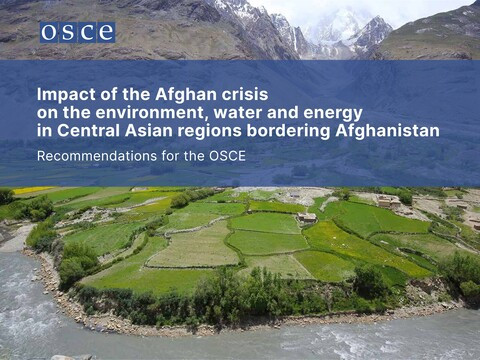 Impact of the Afghan Crisis on the Environment, Water and Energy in Central Asian Regions Bordering Afghanistan 出版年份: 2023 机构作者: Organization for Security and Co-operation in Europe (OSCE) Development projects in Central Asia are diverse. In 2021, the Interstate Commission on Sustainable Development of Central Asia adopted the Central Asian Sustainable Development Program till 2030, while a regional climate adaptation strategy is being developed. Afghanistan is not involved in regional environmental and water processes. The results and lessons from the development projects could be useful in tackling the effects of the Afghan crisis. Исследование влияния кризиса в Афганистане на экологическую, водную и энергетическую ситуацию в приграничных областях Центральной Азии 出版年份: 2023 机构作者: Organization for Security and Co-operation in Europe (OSCE) В странах Центральной Азии также реализуются проекты развития в различных сферах. Для целей охраны природы на региональном уровне в 2021 г. МКУР принята центрально-азиатская программа устойчивого развития до 2030 г., и разрабатывается региональная стратегия адаптации к изменению климата, но Афганистан в региональных экологических и водных процессах не участвует. Результаты и наработки проектов могут оказаться полезными для обмена опытом и масштабирования, в том числе для смягчения кризиса в Афганистане.
  Statistics of the Sustainable Development Goals in Kazakhstan 出版年份: 2023 机构作者: ООН-женщины | Бюро национальной статистики Агентства по стратегическому планированию и реформам Республики Казахстан The publication reflects data on the current state and progress in the field of sustainable development based on available official data and statistics on the SDGs, taking into account gender aspects. The collection was presented at the national seminar on the dissemination of official statistics organized by the Bureau of National Statistics of Kazakhstan and the United Nations Economic Commission for Europe (UNECE) on October 19-21, 2022.
  التحليل جغرافي سياسي لمحددات تمكين المرأة في العراق 出版年份: 2020 作者: Zainab Ali Mazloum, Lateef Kamel Kelaiwy يعد تمكين المرأة من الموضوعات الحديثة التي اهتمت بها الجغرافيا السياسية لاسيما بعد تبن الامم المتحدة في ثمانينيات القرن العشرين لاستراتيجية تمكين المرأة على خلفية التمييز القائم ضدهن على اساس النوع وحرمانهن من تكافؤ الفرص مقارنة بالذكور في ميادين التعلم والعمل فضلا عن رسم سياسة الدولة ، على ان التمكين السياسي للمرأة يرتكز على متغيرين اساسيين :اولهما ازالة المحددات التشريعية والادارية والاجتماعية التي تعيق المشاركة السياسية للمرأة وثانيهما ايجاد التدابير والاجراءات السياسية التي تدعم مشاركة المرأة وزيادة فاعليتها عبر تطوير قدراتها ، ناهيك عن توظيف تلك القدرات في الاطار المؤسسي للوحدات السياسية ، لذا تحرص الدول بمختلف مستوياتها وتوجهاتها ومنها العراق على ازالة فوارق النوع الاجتماعي وتمكين المرأة من خلال تحقيق التنمية الشاملة عامة والتنمية السياسية خاصة لكونها تحاكي التمكين السياسي ، بيد ان العراق قد تلكا كثيرا في هذا المجال بفعل كثرة التحولات السياسية والحروب التي طالت الدولة فضلا عن التحديات الكبيرة التي واجهت وما زالت تواجه صانع القرار السياسي العراقي بأبعادها المختلفة السياسية والامنية والاقتصادية والاجتماعية ، وعليه جاء هذا البحث ليتعرض الى المرتكزات السياسية والقانونية لتمكين المرأة في العراق علاوة على التطرق لمظاهر التمكين السياسي للمرأة فيه فضلا عن عرض ابرز محدداته في الدولة وتقديم الحلول الناجعة لها.
  Espace presse de la FIDH 机构作者: Fédération internationale pour les droits humains (FIDH) Cet espace presse est un lieu où sont recensés tous les communiqués de presse produits par la FIDH. Si vous cherchez à être informé de l'avancée des droits humains dans le monde vous y retrouverez tous les derniers documents de recherche et de plaidoyer de la fondation This press room is a place where you can find all the press releases produced by FIDH. If you're looking to keep abreast of human rights developments around the world, you'll find all the latest FIDH research and advocacy documents here.
 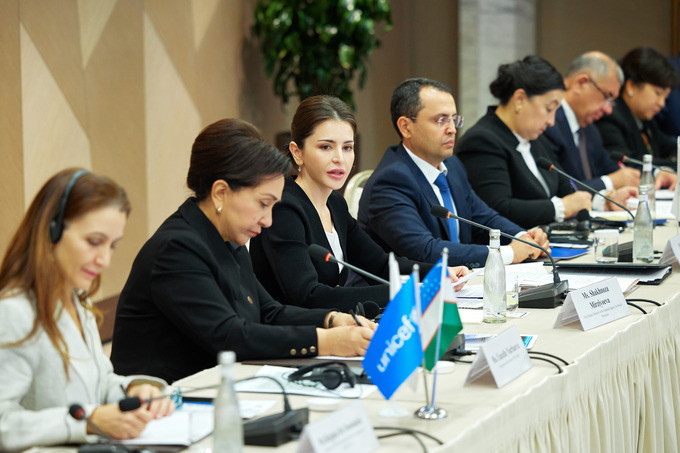 «Мы должны перестать закрывать глаза на насилие над детьми» — Шахноза Мирзиёева 出版年份: 2023 作者: Шахноза Мирзиёева За девять месяцев в Узбекистане зарегистрировано 1,240 случаев насилия над детьми, из них 417 — сексуального насилия, 166 — со стороны родственников. 22 ребёнка в результате насилия погибли. Агентство соцзащиты, Минюст и ЮНИСЕФ готовят законопроект против насилия в отношении детей.
 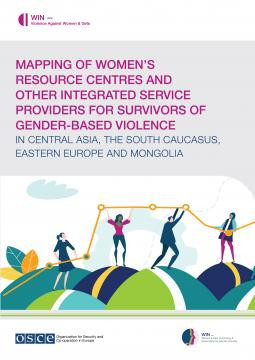 Central Asia, the South Caucasus, Eastern Europe and Mongolia: Mapping of Women’s Resource Centres and Other Integrated Service Providers for Survivors of Gender-Based Violence 出版年份: 2022 机构作者: Организация по безопасности и сотрудничеству в Европе (ОБСЕ) The Gender Issues Programme of the OSCE Office of the Secretary General conducted a comprehensive mapping of Women’s resource centres and other integrated service providers for survivors of gender-based violence (GBV) in Central Asia, the South Caucasus, Eastern Europe and Mongolia as part of the WIN Project. The mapping aimed to collect extensive information on existing services and mechanisms for direct assistance to and protection of survivors of GBV, to assess the main gaps and the need for capacity-building and knowledge-sharing in counteracting GBV, and to identify promising approaches and good practices across the OSCE region. Сопоставительный Анализ Женских Ресурсных Центров и Других Поставщиков Комплексных Услуг для Потерпевших от Гендерного Насилия 出版年份: 2022 机构作者: Организация по безопасности и сотрудничеству в Европе (ОБСЕ) Отдел Секретариата ОБСЕ по гендерным вопросам провел всесторонний сопоставительный анализ женских ресурсных центров и других поставщиков комплексных услуг для потерпевших от гендерного насилия (GBV) в странах Центральной Азии, регионов Южного Кавказа, Восточной Европы и в Монголии, в рамках проекта WIN. Целью анализа был сбор подробной информации о существующих услугах и механизмах прямой помощи и защиты потерпевших от гендерного насилия, оценка основных недочетов и необходимости в укреплении потенциала и обмене знаниями по противодействию гендерному насилию, выявление перспективных подходов и передовых практик во всем регионе ОБСЕ.
 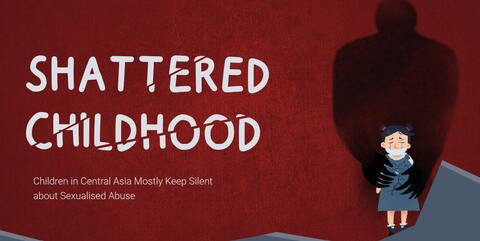 Осколки детства: В Центральной Азии дети чаще всего молчат о сексуализированном насилии 作者: Katerina Afanasieva | Aleksandra Vasilkova | Mazkhab Dzhumaev | Aida Dzhaksybaeva 机构作者: Central Asian Bureau for Analytical Reporting (CABAR) Никто не знает реальные масштабы сексуализированного насилия в отношении детей в Центральной Азии. По оценке правозащитников, в лучшем случае только 1 кейс из 10 доходит до правоохранительных органов. А если это и происходит, то недружественное к детям следствие и суды часто наносят повторную травму, а дела длятся порой годами.
  Отчёт по результатам картирования организаций гражданского общества республики Таджикистан, работающих в сферах доступа к правосудию, расширения прав и возможностей женщин и продвижения прав и возможностей лиц с инвалидностью 出版年份: 2022 机构作者: Бюро по правам человека и соблюдению законности Картирование проведено общественной организацией «Бюро по правам человека и соблюдению законности» в рамках проекта ПРООН «Укрепление верховенства закона и прав человека с целью обеспечения возможностей для реализации прав людей в Таджикистане», финансируемого Правительством Финляндии, с целью определения ОГО, работающих в сфере продвижения прав человека, расширения прав и возможностей женщин и вопросов инвалидности», осуществленного при поддержке ПРООН в Таджикистане с целью определения ОГО, работающих в данных сферах, для доступа заинтересованных лиц и организаций к информации о деятельности данных организаций и их контактам, а также для дальнейшего повышения их потенциала.