
相关资源
探索丰富的全球公民教育资源,深化理解,促进研究、倡导、教学与学习。
共找到2,255条结果
 دور المرأة في المواطنة والانتماء 出版年份: 2020 作者: Tahany AL-Qaseem 机构作者: Majmaah University تعد المواطنة والانتماء من القضايا القديمة المتجددة التي ما تلبث أن تفرض نفسها عند معالجة أي بعد من أبعاد التنمية الخاص بمشروعات التطوير والإصلاح. تستعرض المحاضرة في هذا العرض دور المرأة في تعزيز قيم المواطنة والانتماء. The Role of Women in Citizenship and Belonging 出版年份: 2020 作者: Tahany AL-Qaseem 机构作者: Majmaah University Citizenship and belonging are among the old and renewed issues that soon impose themselves when addressing any dimension of development related to development and reform projects. In this presentation, the lecture reviews the role of women in promoting the values of citizenship and belonging.
  Curbing Domestic Violence in Kyrgyzstan: Are Victims Protected? 出版年份: 2020 作者: Anna Zubenko 机构作者: Central Asian Bureau for Analytical Reporting (CABAR) | Institute for War and Peace Reporting (IWPR) In this article, the author analyzes some of the results of the reforms of the judicial and legal system, thanks to which a number of new codes appeared in Kyrgyzstan, was aimed primarily at the humanization of legislation and decriminalization of certain types of crimes. On the contrary, domestic violence was criminalized as part of the legislative amendments - it was included in the Misdemeanor Code, which is part of the criminal law. However, according to the author, it has become more difficult to prosecute the perpetrators de facto.
  Таджикистан: Анализ политики по поддержке людей с инвалидностью 出版年份: 2018 作者: Mikhail Petrushkov 机构作者: Central Asian Bureau for Analytical Reporting (CABAR) | Institute for War and Peace Reporting (IWPR) «На законодательном уровне в отношении соблюдения прав людей с инвалидностью и обеспечения равных условий делается многое. Правительство Таджикистана в 2016 году приняло «Национальную программу реабилитации инвалидов на 2017 – 2020 годы. Однако проведенный анализ финансовой составляющей Программы показал существенные недоработки», – отмечает в своей статье, написанной для аналитической платформы CABAR.asia Михаил Петрушков, аналитик (Душанбе).
 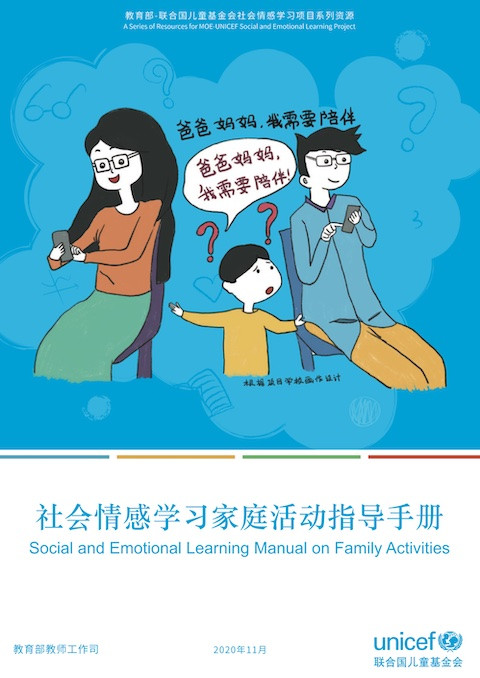 Social and Emotional Learning Manual on Family Activities 出版年份: 2020 机构作者: China. Ministry of Education | United Nations Children's Fund (UNICEF) This material is a guide for schools to promote family-school cooperation and for family to carry out social and emotional learning at home. It provides guidances for family to organise parent-child activities to facilitate children's social and emotional development. 社会情感学习家庭活动指导手册 出版年份: 2020 机构作者: China. Ministry of Education | United Nations Children's Fund (UNICEF) 该材料为推进社会情感学习家校合作、指导家庭教育提供指导,包括为家长提供科学的指导,通过亲子活动等帮助学生发展社会情感能力。
  How to Help Kids Spot Fake News and Misinformation 出版年份: 2020 机构作者: Internet Matters This video gives practical tips on how to help children spot fake news and avoid being misled into believing something that might impact their wellbeing.
 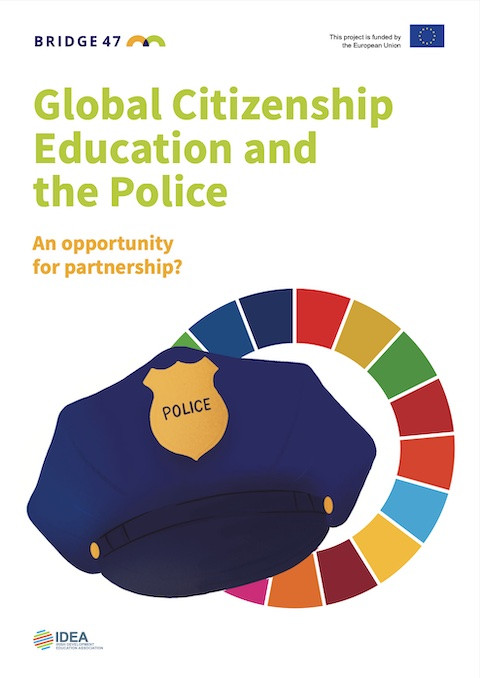 Global Citizenship Education and the Police: An Opportunity For Partnership? 出版年份: 2021 作者: Robin Young 机构作者: Bridge 47 This publication aims to provide some reflective questions and practicalities to consider before embarking on a partnership with the police sector and to contribute to a wider reflection, dialogue and knowledge sharing within the GCE sector globally about the opportunities and challenges for advancing the mission of GCE through engagement with the police sector.
  Unlocking the Transformative Potential of Education: The Alliance Between Lifelong Learning and SDG Target 4.7 出版年份: 2021 作者: Chris Millora 机构作者: Bridge 47 This paper has found that Lifelong learning as a spectrum of formal, informal and non-formal learning, offers a framework to embrace different forms of learning people gain in various spaces across their lifespan. While several lifelong learning policies emphasise economic benefits, evidence shows that lifelong learning also facilitates active citizenship, tolerance to diversity, empathy, learning to live together, leadership, intergenerational learning, and awareness of social injustices. This paper demonstrated the impact of ALE provisions that bring to centre stage the needs of adults – particularly women – in resource-poor contexts. These programmes recognise the ‘funds of knowledge’ and ‘banks of skills’ already existing in these communities – challenging the deficit discourse that is dominant particularly in development circles even today.Based on these findings, this paper puts forward seven interrelated policy recommendations: (1) acknowledgement, within SDG 4.7 policies, that learning occurs in all life stages, forms and spaces; (2) prioritisation of lifelong learning and transformative approaches to education into local, national, regional and global level policies, including provisions of funding; (3) a focus on the transformative competencies and outcomes of lifelong learning; (4) positioning lifelong learning as a cross- cutting (rather than separate) approach to achieving the SDGs; (5) increased attention to recognising, validating and accrediting (RVA) non-formal and informal learning; (6) involving marginalised groups as stakeholders that can shape policy and not only recipients; (7) increased government support and financing to adult educators and literacy facilitators.
  Transformative Competencies: How to Define and Implement Competencies for SDG Target 4.7 出版年份: 2021 作者: Johanna Helin 机构作者: Bridge 47 This paper was commissioned to support advocacy for SDG Target 4.7 in European and global policies by exploring the concept of ‘Competencies for SDG Target 4.7’. This advocacy paper draws from a desk review of existing global and regional competency frameworks at national, regional and global levels. The aim is to get a clearer understanding of these transformative competencies and how they help the implementation and assessment of Target 4.7.This paper is divided in three sections. The first section provides background to the different world views that frame the discussion on competencies, before turning to presenting some of the competency frameworks for Target 4.7. The second section gives some examples of how these competencies are being introduced into national education policies, professional skills training and lifelong learning. The paper finishes with conclusions and policy recommendations.