
相关资源
探索丰富的全球公民教育资源,深化理解,促进研究、倡导、教学与学习。
共找到2,275条结果
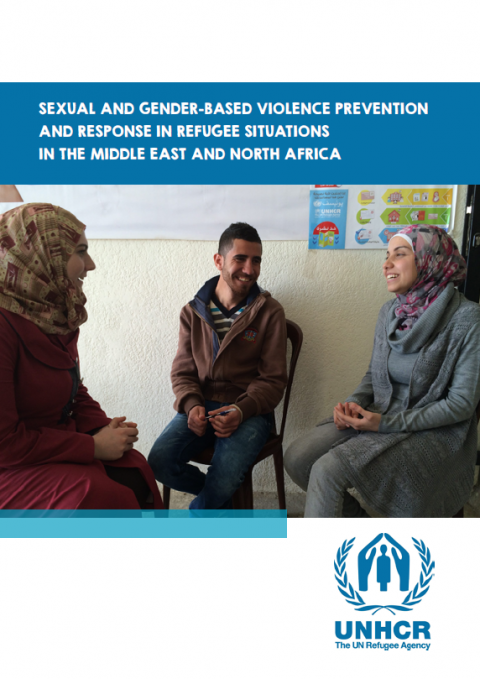 Sexual and Gender-based Violence Prevention and Response In Refugee Situations in the Middle East and North Africa 出版年份: 2015 机构作者: UN. Office of the United Nations High Commissioner for Refugees (UNHCR) The Middle East and North Africa (MENA) region is facing humanitarian crises and forced displacement on an unprecedented scale. These conflicts and the resulting displacement disproportionately burden women and children, who now comprise 78 per cent of Syrian refugees. Sexual and gender-based violence (SGBV) is becoming increasingly widespread in these conflict-affected countries, and is often one of the causes of flight. In support for multi-sectorial and coordinated SGBV prevention and response, this report outlines strategies, in line with international standards, that UNHCR uses in coordination with national authorities, non-governmental organizations (NGOs), and other partners across the region, to bring tangible results in preventing and responding to SGBV in refugee situations, as well as in the inter-agency response in situations of internal displacement.
 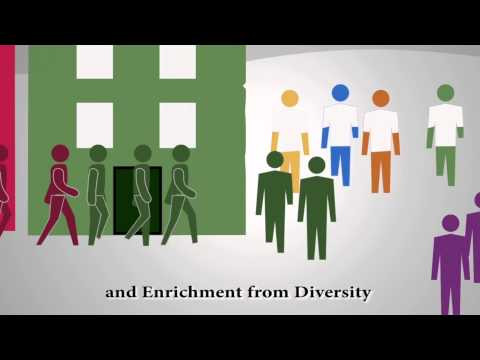 [Video] التربية على المواطنة والتنوع الثقافي 出版年份: 2014 机构作者: Adyan Foundation هذا الفيديو تم تحميله بواسطة مؤسسة أديان، ويتحدث الفيديو عن المواطنة وأسسها الداعمة. يسرد الفيديو في المقدمة أن المواطنة ترتكز عى القيم الانسانية المشتركة وخدمة الصالح العام. في الفيديو هناك أشارات للقضايا والتحديات التي تواجه المجتمعات التي تنتج من تهميش بعض الأديان والجماعات، وكيف يمكن أن يقود هذا التهميش لانهيار واندثار المواطنة في المجتمع. الفيديو يؤكد أن المواطنين في أي مجتمع عليهم أن يشاركوا في أنشطة الحياة العامة، مع احترامهم لبعضهم البعض. على المجتمعات أن تستفيد من التنوع الثقافي الذي بها، وبأن الحوار والتفاعل بين المواطنين هو السبيل لدعم وتقوية الافراد ومجتمعاتهم. في الختام، هناك تأكيد بأن المواطنة هي الطريق المؤدي للازدهار والتنمية المستدامة. [Video] Education for citizenship and cultural diversity 出版年份: 2014 机构作者: Adyan Foundation The video talks about citizenship and its foundations. It narrates at the introduction that citizenship is based on the respect of common human values and serving of common goods. The video also talks about the issue and challenge of marginalization of certain groups and religions in societies. How such issue is also leading to the collapse of citizenship is presented. It is argued that all citizens in a society have to participate in public life activities in which everyone respect each other. The society should benefit from diversity not get harmed by it. As a solution, it is mentioned that dialogue and interaction between citizens enriches individuals lives and their groups. At the end, it highly emphasized that citizenship is the way to prosperity and sustainable development. Includes English Subtitles
 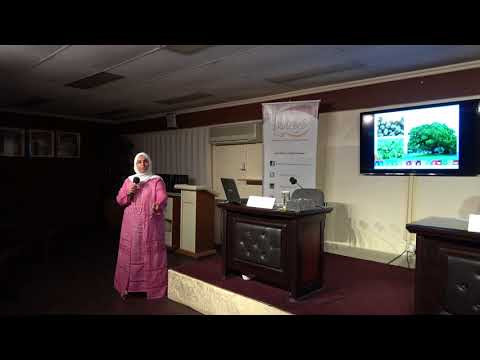 [Video] توطين أهداف التنمية المستدامة 出版年份: 2018 机构作者: Akanoo cc الفيديو يتحدث عن كيفية توطين أهداف التنمية المستدامة في دولة البحرين. وقد بدأت المحاضرة بإعطاء خلفية تاريخية عن هذه الاهداف وكيف تم صياغتها بعد الاهداف الانمائية في الالفية الماضية. بعد ذلك تحدثت المحاضرة بالتفصيل عن الأهداف ال 17 التي أطلقتها الأمم المتحدة في نهاية 2015. ومن حيث توطين هذه الأهداف، تطرقت المحاضرة لبعض الاستراتيجيات الممكنة التي يمكن أن يتبعها الافراد والشركات والحكومة في البحرين لتوطين أهداف التنمية المستدامة في محيطهم.لقد أوصت المتحدثة بضرورة مشاركة جميع الافراد في المجتمع البحريني في تحقيق أهداف التنمية المستدامة وذللك للوصول للتنمية المستدامة في البحرين. وقد ناقشت المتحدثة ايضا التحديات التي تواجه البحرين حاليا في تحقيق أهداف التنمية المستدامة. وفي ضوء ذلكن أوصت المتحدثة بمجموعة من الأنشطة والتي من الممكن أن تساعد في رفع الوعي عند الشعب البحريني بخصوص تحقيق الأهداف. وفي الختام ناقشت المتحدثة كيف يمكن للبحرين أن توطن أهداف التنمية بما يخدم تنميتها المستدامة. [Video] Contextualizing Sustainable Development Goals 出版年份: 2018 机构作者: Akanoo cc The Video is about a lecture talking about how contextualizing Sustainable Development Goals in Bahrain. To make the context, the lecturer started by describing how the Un reached to articulate the SDGs after the last MDGs. Then, the 17 goals were presented in details. In terms of localizing these SDGs, the lecturer gave some strategies on how individuals, companies and the government can implement these SDGs in their context. It is recommended that all members of the Bahraini society should participate in achieving the SDGs to reach to sustainable development. The lecturer also draw attention to some challenges facing Bahrain to achieve SDGs. To overcome these challenges, the lecturer suggested a number of activities to raise awareness among Bahraini people about the importance of participating in achieving SDGs. Finally, how Bahrain can contextualize SDGs is presented.
 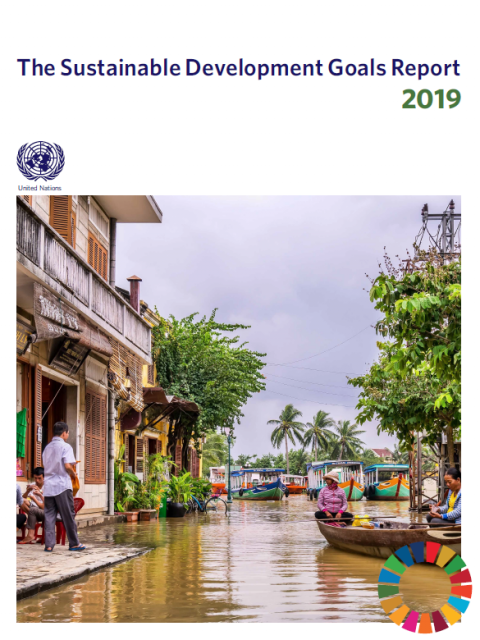 The Sustainable Development Goals Report 2019 出版年份: 2019 机构作者: United Nations (UN) Four years after signing the 2030 Agenda for Sustainable Development, countries have taken action to integrate the Goals and targets into their national development plans and to align policies and institutions behind them. The Sustainable Development Goals Report 2019 uses the latest available data to track global progress on the SDGs and to take stock of how far we have come in realizing our commitments. The report shows that, while advances have been made in some areas, monumental challenges remain. The evidence and data spotlight areas that require urgent attention and more rapid progress to realize the 2030 Agenda’s far-reaching vision. Member States agree that these challenges and commitments are interrelated and call for integrated solutions. It is therefore imperative to take a holistic view of the 2030 Agenda and to identify the highest impact areas in order to target interventions. The most urgent area for action is climate change. If we do not cut record-high greenhouse gas emissions now, global warming is projected to reach 1.5°C in the coming decades. As we are already seeing, the compounded effects will be catastrophic and irreversible: increasing ocean acidification, coastal erosion, extreme weather conditions, the frequency and severity of natural disasters, continuing land degradation, loss of vital species and the collapse of ecosystems. These effects, which will render many parts of the globe uninhabitable, will affect the poor the most. They will put food production at risk, leading to widespread food shortages and hunger, and potentially displace up to 140 million people by 2050. The clock for taking decisive actions on climate change is ticking. The other defining issue of our time is increasing inequality among and within countries. Poverty, hunger and disease continue to be concentrated in the poorest and most vulnerable groups of people and countries. Over 90 per cent of maternal deaths occur in low- and middle-income countries. Three quarters of all stunted children live in Southern Asia and sub-Saharan Africa. People living in fragile States are twice as likely to lack basic sanitation, and about four times as likely to lack basic drinking water services as people in non-fragile situations. Youth are three times more likely to be unemployed than adults. Women and girls perform a disproportionate share of unpaid domestic work and lack autonomy in decision-making. Just as problems are interrelated, the solutions to poverty, inequality, climate change and other global challenges are also interlinked. Valuable opportunities exist to accelerate progress by examining interlinkages across Goals. For example, tackling climate change requires a shift to clean energy, reversing the trend in forest loss, and changing our production and consumption patterns. Promoting sustainable agriculture can help reduce both hunger and poverty, since close to 80 per cent of those who are extremely poor live in rural areas. Increasing access to safe drinking water, sanitation and hygiene can save millions of lives per year and improve school attendance. Improving proficiency in reading and mathematics of some 200 million children who are falling behind in sub-Saharan Africa will help them climb out of poverty and ultimately enable the region to better compete in the global marketplace. This report also highlights the importance of investing in data for the full implementation of the 2030 Agenda. Most countries do not regularly collect data for more than half of the global indicators. The lack of accurate and timely data on many marginalized groups and individuals makes them “invisible” and exacerbates their vulnerability. While considerable effort has been made to address these data gaps over the past four years, progress has been limited. Increased investment is urgently needed to ensure that adequate data are available to inform decision-making on all aspects of the 2030 Agenda. Towards that end, the Dubai Declaration, launched at the second World Data Forum in October 2018, outlines a demand-driven funding mechanism under Member States’ oversight that will respond quickly and efficiently to the priorities of national statistical systems.
 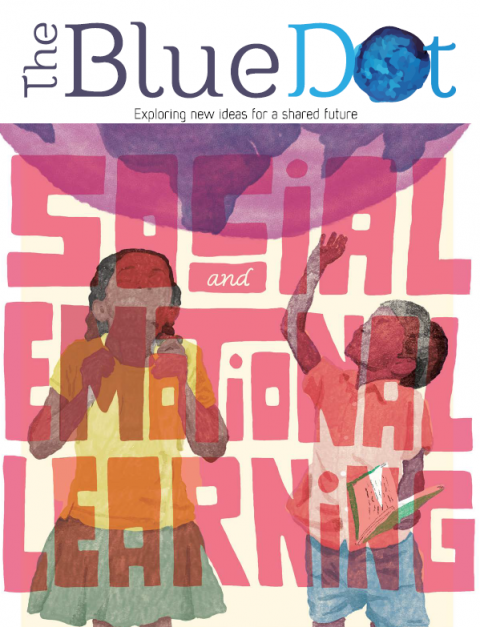 Social and emotional learning (The Blue Dot Issue 10, 2019) 出版年份: 2019 机构作者: Mahatma Gandhi Institute of Education for Peace and Sustainable Development (MGIEP) The tenth edition of The Blue DOT focuses on different aspects of social and emotional learning, including the neurosciences, teacher training, frameworks such as CASEL and SEE Learning and systemic SEL, amongst others. The issue includes a Foreword by Dr. Richard Davidson, William James and Vilas Professor of Psychology and Psychiatry at the University of Wisconsin–Madison and the Founder and Director of the Center for Healthy Minds, and our Cover Story that focuses on how SEL can help to achieve the United Nations Sustainable Development Goals (SDGs). Additionally, it features interviews and opinions from some of the world’s most prominent SEL experts on the importance of integrating SEL in our education systems. Amongst various experts, we hear from Kimberly Schonert-Reichl on her journey in SEL, Robert W. Roeser on “Educating the Head, the Heart and the Hand in the 21st Century” as well as Roger P. Weissberg and Joseph L. Mahoney on “What is Systemic Social and Emotional Learning and Why Does it Matter”? Further, a featured article with responses to a survey by teachers from 4 countries (Bhutan, India, South Africa and Sri Lanka), following the launch of the Institute’s SEL modules on Global Citizenship in a workshop conducted in New Delhi, India in April 2019 is presented. The modules have been rendered on MGIEP’s in house Artificial Intelligence (AI) driven digital platform now called FramerSpace (formerly CHI) and allow the student to have an interactive, instantaneous feedback and immersive experience while addressing contemporary issues such as migration, nationalism and violence.
  Right to Education Handbook 出版年份: 2019 机构作者: Right to Education Initiative (UK) The ultimate aim of this handbook is to facilitate the realization and universal enjoyment of the right to education. Its objective is not to present the right to education as an abstract, conceptual, or purely legal concept, but rather to be action-oriented. Where possible, practical guidance is given on how to implement and monitor the right to education along with recommendations to overcome persistent barriers. It seeks to do this by: Increasing awareness and knowledge of the right to education. This includes the normative content of the right to education, states’ legal obligations, the various sources of law regarding the right to education, what states must do to domestically implement the right to education, how to monitor the right to education, and how to increase accountability of the right to education. Providing a summary of current debates and issues regarding education and what human rights law says about them, including on forced migration, education in emergencies, the privatization of education, and the challenge of reaching the most marginalized. Providing an overview of the UN landscape and its mechanisms, including a clear understanding of the role of UNESCO and more generally the UN, as well as all relevant stakeholders in education, particularly civil society. UNESCO’s Strategy on standard-setting instruments in the field of education (2016-2021) encourages Member States of the Organization to use normative action in relation with the right to education as a strategic tool to implement and achieve SDG4. In line with this, this handbook – specifically foreseen by the Strategy– will also serve as a reference tool for the design and organization of training modules and workshops in the field of right to education. Finally, the handbook will also be an important reference for those working towards the achievement of SDG4, by offering guidance on how to leverage legal commitment to the right to education as a strategic way to achieve this goal.
  المواطنة والعولمة تساؤل الزمن الصعب 出版年份: 2016 作者: قايد دياب عد كتاب “المواطنة والعولمة.. تساؤل الزمن الصعب” لمؤلفه “قايد دياب قايد مجاهد”تقاطعًا بين عدد من مجالات العلوم الإنسانية البينية، ومنها: مجال حقوق الإنسان، والاقتصاد السياسي الذي يهتم بأهم الظواهر الاقتصادية العالمية وأثرها على الظواهر السياسية، ومن أهمها موضوع سيادة الدول القومية؛ حيث يتناول بالدراسة والتحليل مفهوم المواطنة الغربية والكيفية التي تبلور بها وتطوره، وما تعرض له من ثورات اجتماعية وإعلانات مختلفة لحقوق الإنسان.. كما يستهدف استقصاء ظاهرة العولمة من حيث نشأتها وتفسيرها وتجلياتها، ومدى قدرة الدول القومية على الوفاء بمسئولياتها الاجتماعية تجاه مواطنيها إزاء ظاهرة العولمة.. بالتطبيق على أثر العولمة على المواطنة المصرية، وذلك في خمسة أبواب Citizenship and Globalization, Questionable difficult time 出版年份: 2016 作者: قايد دياب The book “Citizenship and Globalization… the Question of the Hard Time” by “Kayed Diab Kayed Mujahid” is considered as an intersection between a number of interdisciplinary fields of human sciences, including: It examines and analyzes the concept of Western citizenship, how it develops and develops it, as well as the social revolutions and various human rights declarations it exposes. A social towards its citizens towards the phenomenon of globalization .. Applied to the impact of globalization on Egyptian citizenship, in five sections.