
相关资源
探索丰富的全球公民教育资源,深化理解,促进研究、倡导、教学与学习。
共找到1,852条结果
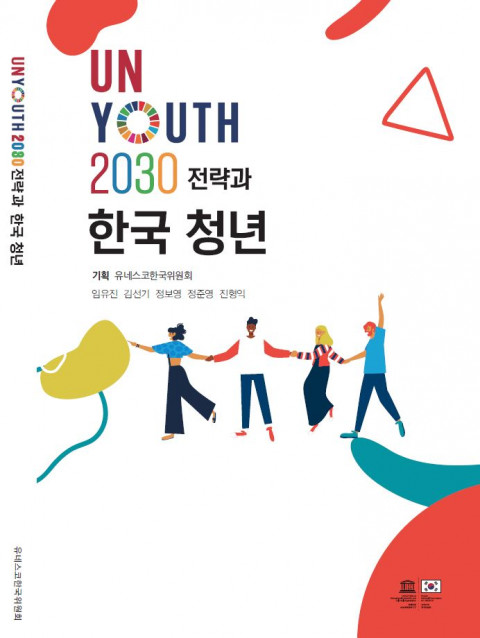 UN Youth 2030 전략과 한국 청년 出版年份: 2020 作者: 임유진 | 김선기 | 정보영 | 정준영 | 진형익 机构作者: 유네스코한국위원회 유네스코한국위원회가 2018년 유엔이 발표한 'Youth 2030 전략'을 바탕으로 청년 연구자들과 함께 한국사회의 청년 활동과 청년 정책, 청년 참여 등을 점검한 연구보고서이다.
  Citoyenneté mondiale: Une définition ignatienne 出版年份: 2019 机构作者: Educate Magis Sont citoyens du monde ceux qui recherchent en permanence à approfondir leur propre conscience de leur place et de leur responsabilité, localement et globalement, dans un monde de plus en plus interconnecté ; sont citoyens du monde ceux qui sont solidaires des autres dans la poursuite d’une terre durable et d’un monde plus humain, comme véritables compagnons dans la mission de réconciliation et de justice. La Taskforce du Secrétariat sur la Citoyenneté Mondiale offre une définition ignatienne de la citoyenneté mondiale, ainsi que quelques questions directrices et un cadre pour intégrer les PAU et la Charte d’Engagements JESEDU-Rio2017 à les dimensions mondiale dans nos écoles jésuites. Ce travail intègre et s’appuie sur le matériel existant sur la citoyenneté mondiale rassemblé par la communauté mondiale.
  C'est quoi une information? 出版年份: 2015 作者: Olivier Marquézi | Mathieu Decarli 机构作者: Radio France | Réseau Canopé | France Télévisions | La Generale de Production Un film d’animation qui aborde des questions telles que « Qu’est-ce qu’un média », « Qu’est-ce qu’une information », « Qu’est-ce qu’une source ?... ». Autant de sujets pour amener les élèves à une pratique raisonnée autour des écrans, de l’information, du métier de journaliste.
 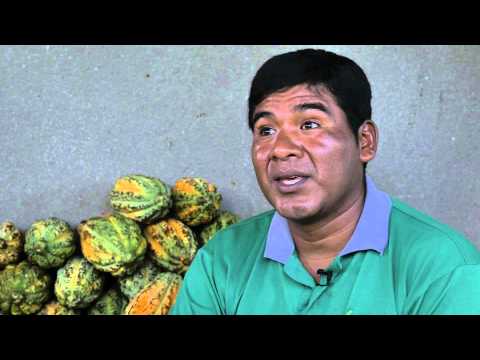 Changeons le commerce, pas le climat 出版年份: 2015 机构作者: Artisans du Monde Cette vidéo donne la parole aux producteurs, premières victimes des conséquences de la hausse des températures.Cette vidéo est un des supports: de la mallette pédagogique "Le grand voyage d'un chocolat équitable" du kit "Consommer responsable, l'alimentation" co-édité avec CANOPE
  Explained: What is False Information? 出版年份: 2020 机构作者: Dublin West Education Centre (DWEC) With so much information at our fingertips it can be easy to come across something online that isn’t quite as accurate or reliable as it should be. This kind of information is often called Fake News but a better description might be false information because it affects more than news stories. This animation, explaining false information, supports the education resource Connected - an introduction to digital media literacy.
 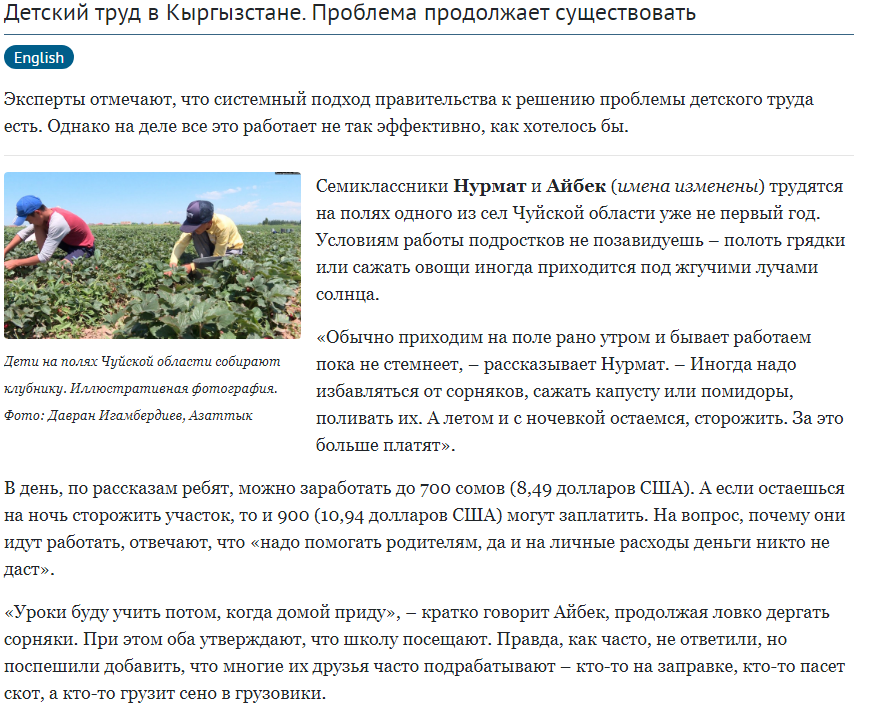 Child Labour in Kyrgyzstan: A Persisting Problem 出版年份: 2022 机构作者: Central Asian Bureau for Analytical Reporting (CABAR) Experts note that in the presence of a systematic approach of the Kyrgyz Government to solve the problem of child labor, a number of challenges remain in practice. This article examines some of the reasons for the involvement of children in the labor market, including economic instability, mass migration of the population, rising poverty levels, the influence of local customs and traditions. The article also provides an overview of relevant statistical data and some national initiatives aimed at eliminating child labor. Детский труд в Кыргызстане: Проблема продолжает существовать 出版年份: 2022 机构作者: Central Asian Bureau for Analytical Reporting (CABAR) Эксперты отмечают, что при наличии системного подхода правительства Кыргызстана к решению проблемы детского труда на практике сохраняется ряд вызовов. Данная статья рассматривает некоторые причины вовлечения детей в рынок труда, среди которых экономическая нестабильность, массовая миграция населения, рост уровня бедности, влияние местных обычаев и традиций. В статье также приведен обзор релевантных статистических данных и некоторых национальных инициатив, направленных на искоренение детского труда.
 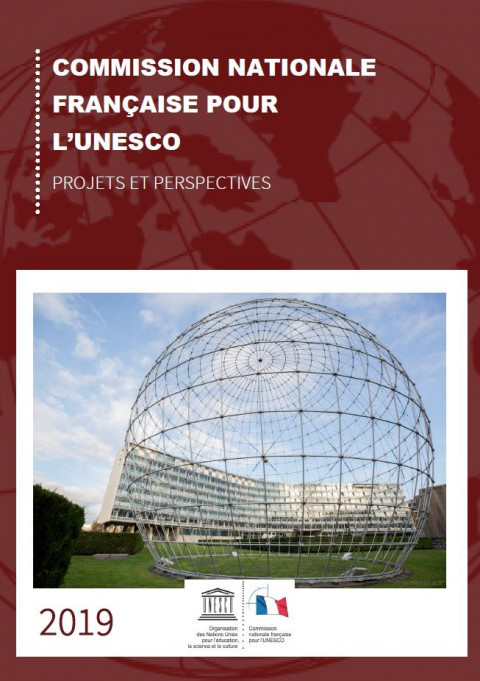 Commission nationale française pour l’unesco: Projets et perspectives 出版年份: 2019 机构作者: Commission nationale française pour l’UNESCO La Commission nationale française pour l’UNESCO relie les français et l’UNESCO. La Commission nationale place au cœur de sa stratégie et de ses activités, la coopération avec la société civile. Pour y parvenir, la Commission nationale française favorise la réflexion collective et l’action concertée dans les domaines de l’éducation, des sciences, de la culture, de la communication et de l’information. Les partenariats et les réseaux sont au cœur de notre mandat : nous construisons nos projets avec des partenaires gouvernementaux, de la société civile, des autres commissions nationales. Cette année encore, le développement de partenariats nous permettra d’étendre l’impact de nos projets. En plus de ces partenariats, nous utilisons Internet et les réseaux sociaux pour sensibiliser la société civile à nos actions. Au cours de la période 2018-2020 , la priorité est donnée au développement et au renforcement de la coopération avec les secteurs de l’UNESCO, les réseaux français: Ecoles associées, Clubs pour l’UNESCO, Chaires UNESCO, et les partenaires de la société civile et du secteur privé, en reconnaissance du rôle de la coopération dans le domaine de l’éducation, des sciences et de la culture pour la promotion de transformations sociales positives, de l’inclusion sociale et du dialogue interculturel. La diversification des partenaires auprès de la société civile, du secteur privé et la signature de partenariats avec des institutions scientifiques et académiques sont au cœur ces avancées afin de replacer la société civile dans l’action de la Commission française.Projet et Perspectives de la Commission nationale française pour l’UNESCO 2019
  Adult Media Literacy in Australia: Attitudes, Experiences and Needs 出版年份: 2021 作者: Tanya Notley | Simon Chambers | Sora Park | Michael Dezuanni 机构作者: Western Sydney University | Queensland University of Technology | University of Canberra This report is based on a survey of 3,510 adult Australians to understand the different types of media they use, the value they place on different media activities, their confidence in their own media abilities and their access to media literacy support. The survey was designed with input from diverse voices in the media literacy field including researchers, media producers, policymakers, government agencies, educators and public cultural institutions. The findings show that most Australians use several different types of media each day, they believe a diverse range of media activities are important in their lives, but their confidence in their own media abilities is unexpectedly low. The findings demonstrate that if we accept that media is integral to all aspects of our lives, far more needs to be done to address the needs of groups who are the least confident about their media abilities and who have access to the least support. The findings also show that increasing media literacy can yield direct benefits for increasing people’s civic engagement.
  Hate Speech, Propaganda and Disinformation in Albanian Media 出版年份: 2020 作者: Ilda Londo 机构作者: South East European Network for Professionalization of Media (SEENPM) | Peace Institute | Albanian Media Institute This publication aims to highlight the main models and elements that media in Albania manifest regarding hate speech, propaganda and disinformation and also to identify ways of countering these narratives. According to this research, even though the media is rarely active in fighting hate speech in the country, it cannot be said that it is a source of hate speech or that it is actively promoting it. Politicians often push hate speech narratives, which the media publishes or reflects, provoking protest from some human rights organizations. On the other hand, there is a visible problem with ethics and lack of moderation in User Generated Content, more specifically in users’ comments sections of online media.In addition, contrary to hate speech narratives, which are rarely present, attempts to misinform and spread propaganda are a constant trend in the Albanian media. While the furthering of foreign propaganda is confined to a limited number of media, the use of conspiracy theories and sensationalism to further media popularity, unfortunately, is not. Few online media outlets have escaped the trend of publishing conspiracy theories, which turned into a frenzy especially with the emergence of the coronavirus. Even television stations, which are supposed to have more filters and be more responsible about their content, have intensified this kind of coverage. Proponents of conspiracy theories are readily present in a few television stations in their main current affairs programmes, amplifying these theories and information, which leads to an increasingly greater influence on the public, especially given the lack of programmes or education on media literacy.