
相关资源
探索丰富的全球公民教育资源,深化理解,促进研究、倡导、教学与学习。
共找到1,828条结果
 Municipalities and Regions Take Action on Global Citizenship Education: The Road Towards 2030 出版年份: 2021 作者: Aurèle Destrée | Tereza Čajková 机构作者: PLATFORMA | European Union (EU) Development Education and Awareness Raising (DEAR)/Global Citizenship Education (GCE) can cultivate the spirit of the 2030 Agenda because it helps acquiring missing knowledge on global interconnections and creates spaces for enquiries.Whilst old constraints still remain and new challenges are appearing, local and regional governments continue to innovate, experiment and work hand in hand with key partners, including with their peers across the globe, to find new solutions and achieve their ambitions.Discover in this publication how local and regional governments are active in supporting learning and fostering changes in a context of socio-economic recovery plans. Actions des municipalités et des régions en faveur de l'éducation à la citoyenneté mondiale: En route vers 2030 出版年份: 2021 作者: Aurèle Destrée | Tereza Čajková 机构作者: PLATFORMA | EU L’éducation au développement et la sensibilisation (DEAR) et l’éducation à la citoyenneté mondiale (ECM) soutiennent et alimentent l’esprit de l’Agenda 2030 car elles permettent d’acquérir les connaissances manquantes sur les interconnexions mondiales et de créer des espaces de recherche.Alors que d’anciennes contraintes subsistent et que de nouveaux défis apparaissent, les gouvernements locaux et régionaux continuent d’innover, d’expérimenter et de travailler de concert avec des partenaires clés, notamment avec leurs homologues du monde entier, pour trouver de nouvelles solutions et concrétiser leurs ambitions.Découvrez dans la présente publication comment les gouvernements locaux et régionaux s’emploient à soutenir l’apprentissage et à favoriser les changements dans un contexte de plans de relance socio-économique.
  联合国 教科文组织 绿色学院: 气候适应型学校指南 出版年份: 2019 机构作者: UNESCO Bangkok 本手册鼓励社区进行能力建设,并朝着适应气候变化的方向 过渡。它以科学知识为基础,按照“人与生物圈计划”的规 定改善人与环境之间的关系。
  The #Talking Climate Handbook: How to Have Conversations About Climate Change in Your Daily Life 出版年份: 2019 作者: Robin Webster | George Marshall 机构作者: Climate Outreach | EIT Climate-KIC This handbook is for anyone who wants to have constructive day-to-day conversations about the climate crisis. It provides pragmatic and evidence-based guidance on how to talk about climate change with friends and family, acquaintances and strangers - on the bus, at work, at a sports event or at home over dinner. The handbook is informed by the idea that you don’t have to be a scientist, or live in a certain place, to care about and want to talk about climate change. It is a topic for everybody, whoever and wherever we are.
  The Big Conversation: Climate Change; Final Report 出版年份: 2021 作者: Michael Bruter | Sarah Harrison | Sandra Obradović | Elisabet Vives 机构作者: British Council | London School of Economics and Political Science This research draws on experience from the field of international cultural relations as well as the latest academic research on values, behaviours and norms to understand more about how we can create the conditions for co-operation on shared global challenges.It delivers new insight on values and attitudes towards climate change among the populations of China, India, Japan and Mexico – selected to represent a diverse range of major world economies who are also important players in the global climate change debate.The research also draws on the experience of international cultural relations experts to provide new insight on how to strengthen international cooperation on climate change and the important role that cultural relations can play in supporting that.
  민주시민교육의 이해와 실천 出版年份: 2017 作者: 주선미 | 이광식 | 신은영 | 강병덕 机构作者: 중앙선거관리위원회 선거연수원 본 자료는 민주시민교육의 개념 및 방법에 대한 체계적인 지침과 안내를 목적으로 발간되었으며, 민주시민교육 강의에 필요한 기본 이론학습서이다. 민주시민교육의 의의 및 내용과 방법, 외국의 민주시민교육 사례, 민주시민교육의 현황과 과제 등을 주요 내용으로 담았다.본 저작물은 선거연수원에서 2017년 작성하여 공공누리 제 2유형으로 개방한 ‘민주시민교육의 이해와 실천’ 을 이용하였으며 해당 저작물은 선거연수원 (www.civicedu.go.kr)에서 무료로 다운받으실 수 있습니다.
  민주시민과 청년의 삶 出版年份: 2018 作者: 가상준 | 서현진 | 신두철 | 이현출 | 장성훈 | 조진만 机构作者: 중앙선거관리위원회 선거연수원 본 자료는 청년 대상 민주시민교육 강의에 필요한 심화 이론학습에 활용하도록 구성되었다. 청년세대가 민주시민교육 강의 및 자료를 통해 민주주의 변화상을 이해하고 우리 사회의 미래 주체로서 삶의 자세를 정립 시키는데 목적이 있다.본 저작물은 선거연수원에서 2018년 작성하여 공공누리 제 2유형으로 개방한 ‘민주시민과 청년의 삶’ 을 이용하였으며 해당 저작물은 선거연수원 (www.civicedu.go.kr)에서 무료로 다운받으실 수 있습니다.
  Caring for Women Subjected to Violence: A Who Curriculum For Training Health-Care Providers 出版年份: 2019 机构作者: World Health Organization (WHO) This curriculum draws on the work of many people around the world dedicated to preventing and responding to all forms of violence against women and girls. WHO would like to thank all of those who contributed and who shared their training exercises and experiences, many of which have been incorporated into this manual. Atención para las mujeres que han sufrido violencia: Programa de capacitación de la OMS dirigido a los prestadores de servicios de salud 出版年份: 2019 机构作者: World Health Organization (WHO) Este programa de capacitación se basa en el trabajo de muchas personas de todo el mundo que se dedican a prevenir y responder frente a todas las formas de violencia contra las mujeres y las niñas.
 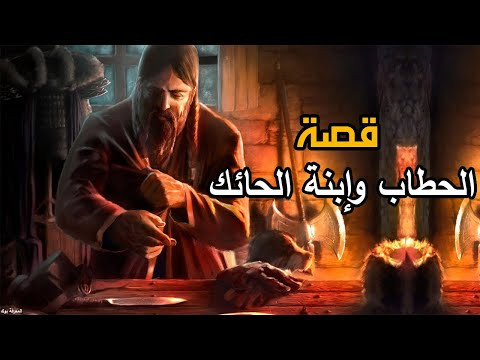 قصة الحطاب وإبنة الحائك 出版年份: 2021 机构作者: Alma3rifabook الفيديو عبارة عن قصة هادفة تتمثل في بعض القيم العربية والأخلاق النبيلة. يروى في قديم الزمان، وسالف العصر والاوان أنه كان هناك حطاب شاب يدعى ناصر متزوج حديثاً ويعيش مع زوجته على مشارف قرية ريفية هادئة. وكان ويخرج للعمل كل صباح لتقطيع الحطب وجمعه من الغابة المجاورة ولا يعود للبيت إلا بعد انتصاف النهار. وفي عصر أحد الايام خرج مع زوجته للسوق وهناك قابلا فتاةً شابة اسمها سلوى تبيع السجاد الذي تم حياكته يدويا.