
相关资源
探索丰富的全球公民教育资源,深化理解,促进研究、倡导、教学与学习。
共找到1,828条结果
 云南省少数民族自治地区的农村民间组织的发展状况的研究 出版年份: 2015 作者: Ma Bo 本文介绍了中国云南省少数民族自治地区的农村民间组织的发展概况及其在经济社会发展中的作用,并分析其制约因素,同时对其发展提出相关建议。
  The Revelation of Development of American Special Education: From the Law and Operational Status to Explore 出版年份: 2018 作者: Tong Chi-Man | Wong Tong-Cheong | Lee Sung-Yi This paper provides detailed discussion about the development of special education in the U.S., and gives suggestions on the development of special education in China. 美国特殊教育发展的启示:从法律及运作状况探讨 出版年份: 2018 作者: Tong Chi-Man | Wong Tong-Cheong | Lee Sung-Yi 本文详细地介绍了美国特殊教育的发展历程,并对中国特殊教育发展提出政策建议。
  Research on Survey and Development of High-Quality Education Resources Allocation from the Perspective of Fairness 出版年份: 2015 作者: Zhang Zhiquan | Jiang Guozheng This paper discusses the issue of allocation of education resources from the perspective of equity, and it further discusses how to allocate and explore high-quality educational resources in terms of head-master, teacher and student. 公平视角下优质教育资源配置审视与开发研究 出版年份: 2015 作者: Zhang Zhiquan | Jiang Guozheng 本文在公平的视角下探讨中国教育资源的配置问题,并进一步从校长、教师和学生的角度探讨优质教育资源的配置与开发议题。
  A Qualitative Study on Macau’s Inclusive Education Development: Analysis from the Perspectives of Inclusive Education Teachers (Advances in Education; vol. 7, no. 6) 出版年份: 2017 作者: Tong Chi-Man | Lee Sung-Yi | Wong Tong-Cheong Through semi-structed interview, this paper investigates teachers' view on the development of inclusive education in Macau and existing problems. The paper also provides suggestions for improvement. 澳门融合教育发展之定性研究: 从融合教育教师之观点分析 (教育进展; vol. 7, no. 6) 出版年份: 2017 作者: 董志文 | 李嵩义 | 黄栋祥 本文通过对澳门从事融合教育的教师进行访谈,调研教师对澳门融合教育的发展现状与存在问题的观点,并提出相关建议。
 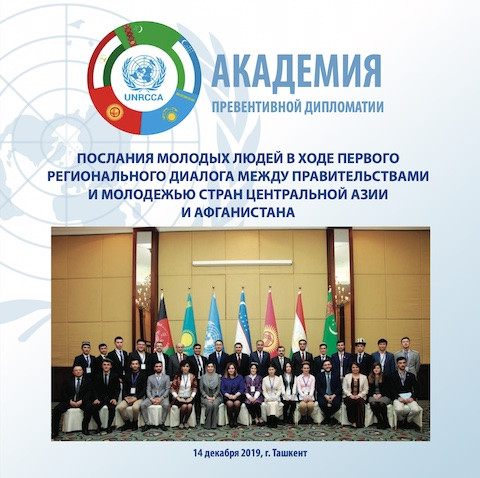 Messages Delivered by Young People at the First Government-Youth Dialogue for Central Asia and Afghanistan 出版年份: 2019 机构作者: United Nations Regional Centre for Preventive Diplomacy for Central Asia (UNRCCA) During this first Government-Youth Dialogue for Central Asia and Afghanistan, 25 young people stood in front of their Deputy Ministers and spoke on behalf of the young people of the region about the most pressing regional peace and security issues for their generation. Послания молодых людей в ходе первого регионального диалога между правительствами и молодежью стран Центральной Азии и Афганистана 出版年份: 2019 机构作者: United Nations Regional Centre for Preventive Diplomacy for Central Asia (UNRCCA) В ходе первого регионального диалога между правительствами и молодежью стран Центральной Азии и Афганистана, 25 молодых людей, от имени молодежи региона, представили свои позиции и взгляды заместителям министров иностранных дел о наиболее актуальных вопросах мира и безопасности в регионе, касающихся их поколения.
 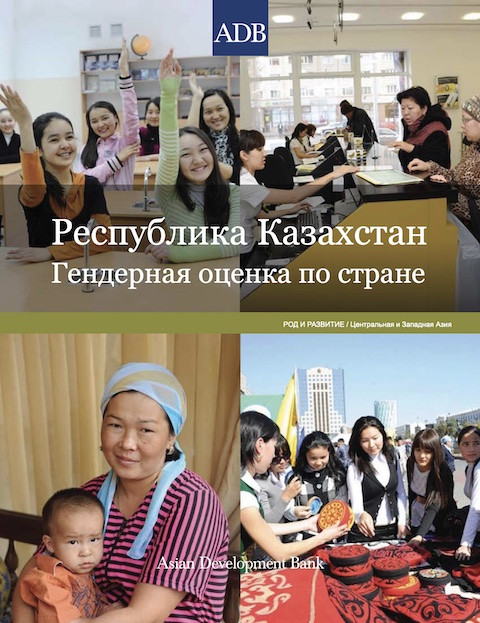 Kazakhstan Country Gender Assessment 出版年份: 2013 机构作者: Asian Development Bank (ADB) This country gender assessment report for the Republic of Kazakhstan is based on the 2006 report and is based on the experience accumulated by the Asian Development Bank (ADB) in its work to support gender equality and women's rights in Kazakhstan. The assessment takes into account ADB's Strategy 2020 and the various gender equality strategies and objectives adopted for all ADB interventions.