
相关资源
探索丰富的全球公民教育资源,深化理解,促进研究、倡导、教学与学习。
共找到1,831条结果
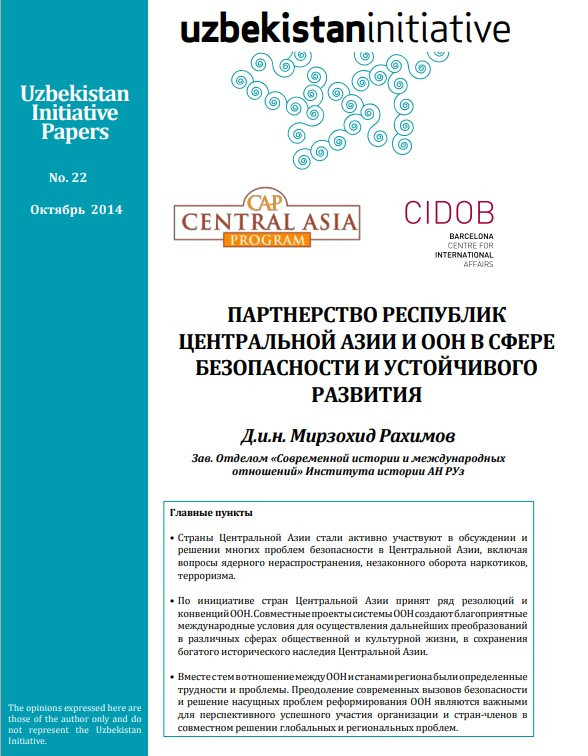 Партнерство республик Центральной Азии и ООН в сфере безопасности и устойчивого развития (Uzbekistan Initiative Papers; no. 22) 出版年份: 2014 作者: Mirzokhid Rakhimov Страны Центральной Азии cтали активно участвуют в обсуждении и решении многих проблем безопасности в Центральной Азии, включая вопросы ядерного нераспространения, незаконного оборота наркотиков и терроризма.
 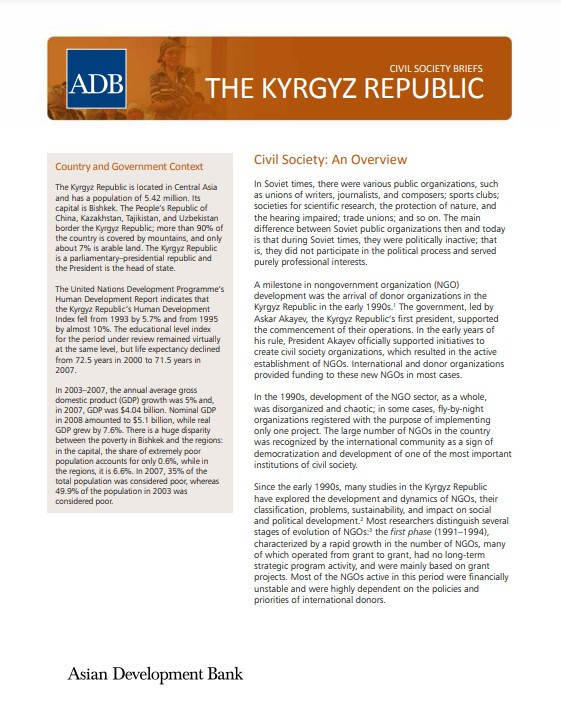 A Brief Overview of Civil Society in the Kyrgyz Republic 出版年份: 2011 机构作者: Asian Development Bank (ADB) With a view to strengthening ADB cooperation with civil society organizations (CSOs), the NGO and Civil Society Center periodically prepares reports on the context for CSO activities in various developing countries in Asia and the Pacific. These studies contribute to awareness of the important role that CSOs play in promoting development across the Asia-Pacific region. Краткий обзор гражданского общества в Кыргызской республике 出版年份: 2011 机构作者: Asian Development Bank (ADB) С целью укрепления сотрудничества АБР с организациями гражданского общества (ОГО), Центр НПО и гражданского общества периодически готовит отчеты о контексте деятельности ОГО в различных развивающихся странах Азиатско-Тихоокеанского региона. Эти исследования способствуют повышению осведомленности о важной роли, которую играют ОГО в содействии развитию в Азиатско-Тихоокеанском регионе.
  Transnational Institutions of Higher Education Institutions in Central Asia 出版年份: 2021 作者: Eriks Varpachovskis Transnational institutions of higher education (TNIHE) are institutions that provide higher education services and award degrees from either foreign institutions or through foreign pedagogical systems. As of 2021, there are at least 67 TNIHEs in the five Central Asian republics. Beneath the surface, however, many problems lurk, as TNIHEs struggle to maintain their capacity and provide quality education, while local governments pursue contradictory policies, that complicate the situation. Транснациональные высшие учебные заведения в Центральной Азии 出版年份: 2021 作者: Eriks Varpachovskis Транснациональные высшие учебные заведения (ТНВУЗ) – учреждения, которые предоставляют услуги высшего образования и присуждают степени о высшем образовании либо в зарубежных учебных заведениях, либо с помощью зарубежных педагогических систем. По состоянию на 2021 год в пяти республиках Центральной Азии насчитывается по меньшей мере 67 ТНВУЗ. Однако под поверхностью этого факта скрываются многочисленные проблемы, поскольку ТНВУЗ борются за то, чтобы поддерживать свои возможности и предоставлять качественное образование, в то время как местные органы власти проводят противоречивые стратегии, которые усложняют ситуацию.
 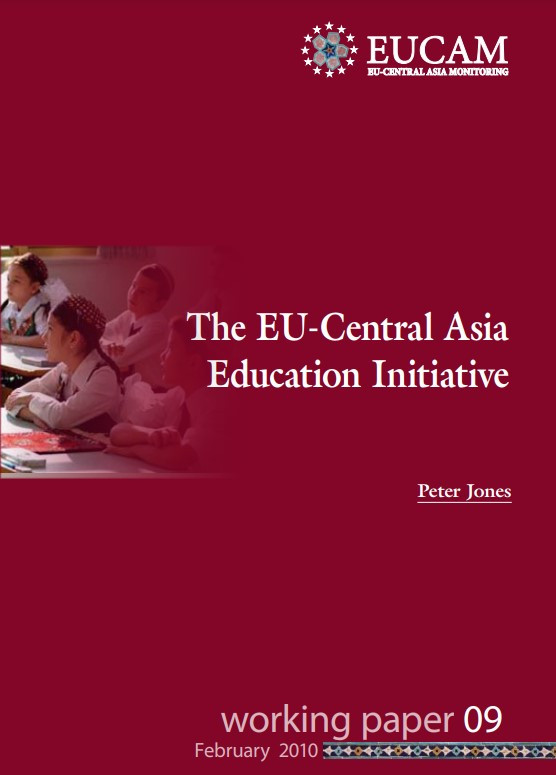 The EU Education Initiative in Central Asia 出版年份: 2010 作者: Peter Jones This report will examine: 1) the selective and limited experiences and expertise offered by the EU to its partners in Central Asia; 2) the content, processes, and relevance of the contents, processes, and the Education Initiative; 3) the balance achieved between regional and bilateral approaches; and 4) The validity of the EU's approach, taking into account the different needs Central Asian countries. Образовательная Инициатива ЕС в Центральной Азии 出版年份: 2010 作者: Peter Jones Данный доклад рассмотрит: 1) выборочный и ограниченный опыт и знания, предложенные Евросоюзом его партнерам в Центральной Азии; 2) содержание, процессы и значимость Образовательной Инициативы; 3) равновесие, достигнутое между региональными и двусторонними подходами и 4) обоснованность подхода ЕС с учетом различных потребностей стран Центральной Азии.
  How to Understand the Educatee in Educational Development: Based on G. C. Spivak's Practice of “Subaltern” and Her Philosophy of Education (Modern Education Review; no. 6) 出版年份: 2021 作者: Jiaqi Yu This article introduces Spivak's theoretical reflections on educational assistance and explores the ethical dilemmas in educational aid, based on the concept of the 'subaltern'. 斯皮瓦克的招待:教育援助中庶民的双重脆弱及其改写 (现代教育论丛; no. 6) 出版年份: 2021 作者: Jiaqi Yu 该文围绕“庶民”的概念,介绍了斯皮瓦克对于教育援助的理论思考,并探讨教育援助中的道德困境。
 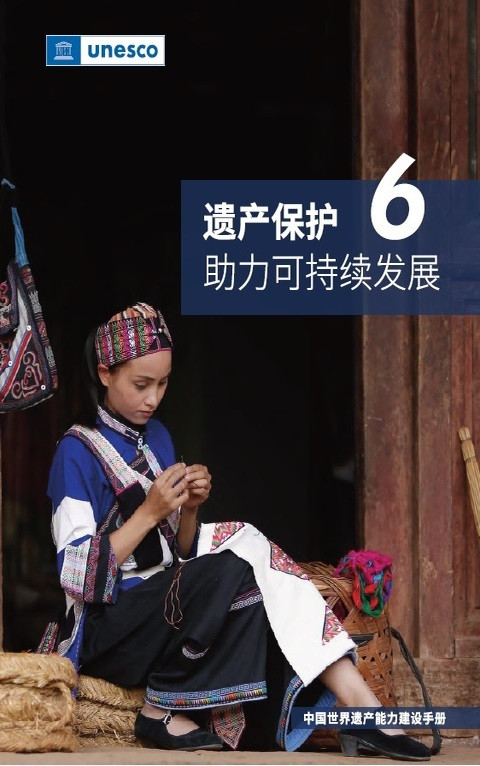 遗产保护助力可持续发展 出版年份: 2021 作者: Yanxia LI | Gang Zhao | Ai Zhong | Ping Kong 机构作者: UNESCO Beijing 该文件介绍了国际与中国遗产保护和可持续发展的政策,以案例的形式总结了文化在消除贫困、促进性别平等、促进经济增长和就业、提升世界遗产地韧性、推动乡村振兴中的巨大潜力。