
相关资源
探索丰富的全球公民教育资源,深化理解,促进研究、倡导、教学与学习。
共找到1,828条结果
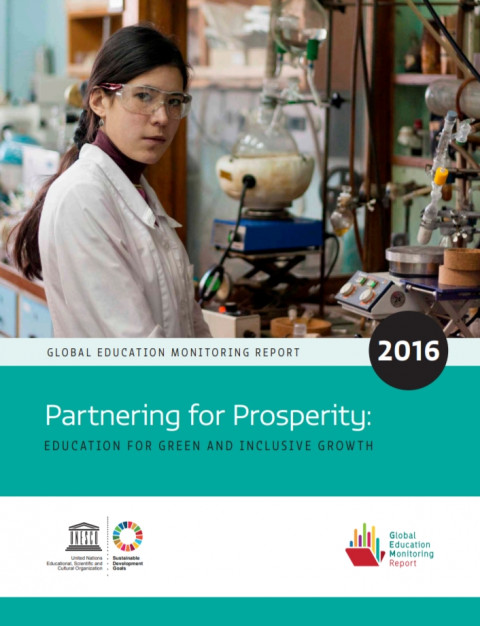 Partnering for prosperity: education for green and inclusive growth; Global education monitoring report, 2016; summary 出版年份: 2017 作者: Sachs, Jeffrey D 机构作者: UNESCO. Director-General, 2009-2017 (Bokova, I.G.) This Report makes three messages starkly clear. Firstly, the urgent need for new approaches. On current trends only 70% of children in low income countries will complete primary school in 2030, a goal that should have been achieved in 2015. We need the political will, the policies, the innovation and the resources to buck this trend. Secondly, if we are serious about SDG 4, we must act with a sense of heightened urgency, and with long-term commitment. Failure to do so will not only adversely affect education but will hamper progress towards each and every development goal: poverty reduction, hunger eradication, improved health, gender equality and women’s empowerment, sustainable production and consumption, resilient cities, and more equal and inclusive societies. Lastly, we must fundamentally change the way we think about education and its role in human well-being and global development. Now, more than ever, education has a responsibility to foster the right type of skills, attitudes and behavior that will lead to sustainable and inclusive growth.
  Intégrer le genre dans la coopération non gouvernementale 出版年份: 2019 机构作者: Solidarité mondiale Solidarité Mondiale place l’attention et la prise en compte du genre au cœur de ses pratiques et ses programmes. Ainsi, notre organisation s’emploie à créer une culture institutionnelle sensible au genre, tant au sein de notre équipe que dans la coopération avec nos partenaires d’ici et d’ailleurs. En effet, l’égalité des genres est essentielle pour garantir le caractère durable et inclusif de la coopération. Tant au niveau des droits du travail que de la protection sociale, les femmes se trouvent souvent dans les positions les plus précaires. C’est pourquoi Solidarité Mondiale s’est engagée pour l’égalité des genres au sein de la coopération non gouvernementale et a signé la "Charte Genre" le 29 novembre 2018. La "Charte Genre" a été signée par 56 organisations qui se sont engagées à soutenir un élan positif en leur sein autour de l’égalité et à mettre en place les actions nécessaires pour que les intentions se matérialisent. Elle inclut l’égalité des sexes (entre hommes et femmes) ainsi que la reconnaissance des droits des personnes LGBQTI (lesbiennes, gays, bisexuelles, queer, transgenres, intersexuées). Toutefois, comme nous vous l’expliquions en 2018, cette charte est issue d’un processus plus large, auquel Solidarité Mondiale a pris activement part, visant notamment à créer un guide d’inspiration. Bonne nouvelle, depuis peu, ce guide d’inspiration « Intégrer le genre dans la coopération non gouvernementale » est finalisé et accessible à tou.te.s ! Celui-ci regroupe des bonnes pratiques et des pistes d’intégration du genre dans les différentes activités propres à l’Éducation à la citoyenneté mondiale et solidaire (ECMS) en Belgique (communication, plaidoyer, mobilisation, etc.). Il a été conçu à l’aide d’un processus participatif et piloté par les 5 structures fédératives (11.11.11, ACODEV, CNCD-11.11.11, ngo-federatie et FIABEL) accompagnées du Monde selon les femmes.
  Multiculturalism as a nation-building theory in Kazakhstan 出版年份: 2016 作者: Nazira E. Kukusheva In the article, the author explores the pressing problems of the nation-building of Kazakhstan as an independent state-gifts.The main problems considered are: 1) the process of formation of a new national identity; 2) the experience of building a multicultural society.The views of supporters and opponents of the policy of multiculturalism in Kazakhstan are given. From the author’s point of view, for the design and implementation of new multicultural ideologies in the practice of Kazakhstan, the creation of scientific centers for the study of interethnic processes is necessary. Мультикультурализм как теория нациестроительства в Казахстане 出版年份: 2016 作者: Nazira E. Kukusheva В статье автор исследует актуальные проблемы нациестроительства Казахстана как независимого госу- дарства.В качестве основных проблем рассматриваются:1) процесс формирования новой национальной идентичности; 2) опыт построения мультикультурного общества.Приведены взгляды сторонников и противников политики мультикультурализма в Казахстане. С точки зрения автора, для конструирования и внедрения новых мультикультурных идеологем в практику Казахстана необходимо создание научных центров по исследованию межэтнических процессов.
 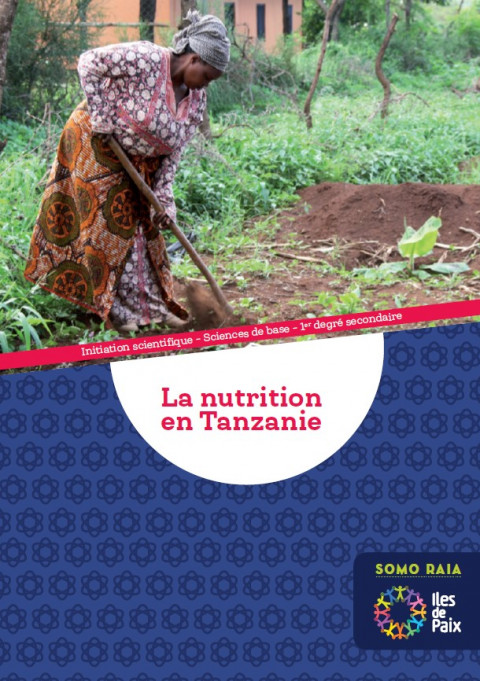 La nutrition en Tanzanie 出版年份: 2018 机构作者: Îles de Paix L’objectif de ce dossier est d’amener l’élève à appréhender la problématique de la malnutrition et ses conséquences dans un pays en voie de développement ainsi que les moyens mis en place par une ONG pour y remédier. En parallèle, l’élève pourra découvrir ou revoir les principes de base d’une alimentation saine et réfléchir à ses habitudes alimentaires. Au travers des activités, l’élève devra mettre en œuvre des savoir-faire, tels que la lecture et l’analyse de graphiques et de tableaux, la réalisation de graphiques, l’analyse de textes et de divers types de documents. Une partie documentaire, destinée à l’enseignant, permet d’approfondir la thématique.
 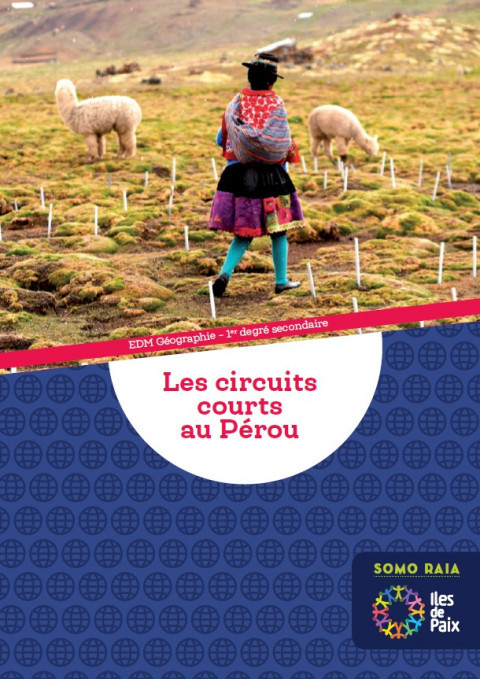 Les circuits courts au Pérou 出版年份: 2018 机构作者: Îles de Paix Conçu en vue de s’intégrer dans la formation géographique et historique des étudiants, son objectif est que chaque élève puisse découvrir les enjeux liés au commerce dans un pays lointain. Cette découverte des circuits courts au Pérou se fait par le biais de 3 activités. L’enseignant peut y trouver des exercices variés, permettant de travailler plusieurs compétences. Au travers des activités, l’élève devra mettre en œuvre des savoir-faire, tels que la lecture de cartes, l’identification de documents et l’organisation d’informations, en vue d’acquérir de nouveaux savoirs et de développer de nouvelles compétences. Une partie documentaire, destinée à l’enseignant, permet d’approfondir la thématique.
  Guide for social advocates of domestic violence victims (guidebook) 出版年份: 2016 作者: S. Korneychuk | N, Gladyr | A. Ilyasova 机构作者: S. Korneychuk | N, Gladyr | A. Ilyasova This tutorial is aimed at strengthening the professional potential of specialists directly working with cases of domestic violence in order to maximize the needs of victims. Руководство для социальных защитников жертв бытового насилия (учебное пособие) 出版年份: 2016 作者: S. Korneychuk | N, Gladyr | A. Ilyasova Данное учебное пособие направлено на укрепление профессионального потенциала специалистов, непосредственно работающих со случаями бытового насилия, с целью максимального удовлетворения потребностей пострадавших.
  Women and violent extremism in Tajikistan 出版年份: 2017 机构作者: Anna Matveeva | Bakhrom Fayzullayev This study is based on a review of existing research and political literature, as well as data collection in Tajikistan, mainly provided by officials, community respondents, investigative journalists, scholars, and local civil society experts. The aim of the study is to study the role of women in countering the spread of violent extremism. Женщины и насильственный экстремизм в Таджикистане 出版年份: 2017 机构作者: Anna Matveeva | Bakhrom Fayzullayev Данное исследование основано на обзоре существующей исследовательской и политической литературы, а также на сборе данных в Таджикистане, в основном предоставленных должностными лицами, респондентами из сообществ, журналистами-расследователями, учеными и местными экспертами гражданского общества. Целью исследования является изучение роли женщин в вопросе противодействия распространению насильственного экстремизма.