
相关资源
探索丰富的全球公民教育资源,深化理解,促进研究、倡导、教学与学习。
共找到1,322条结果
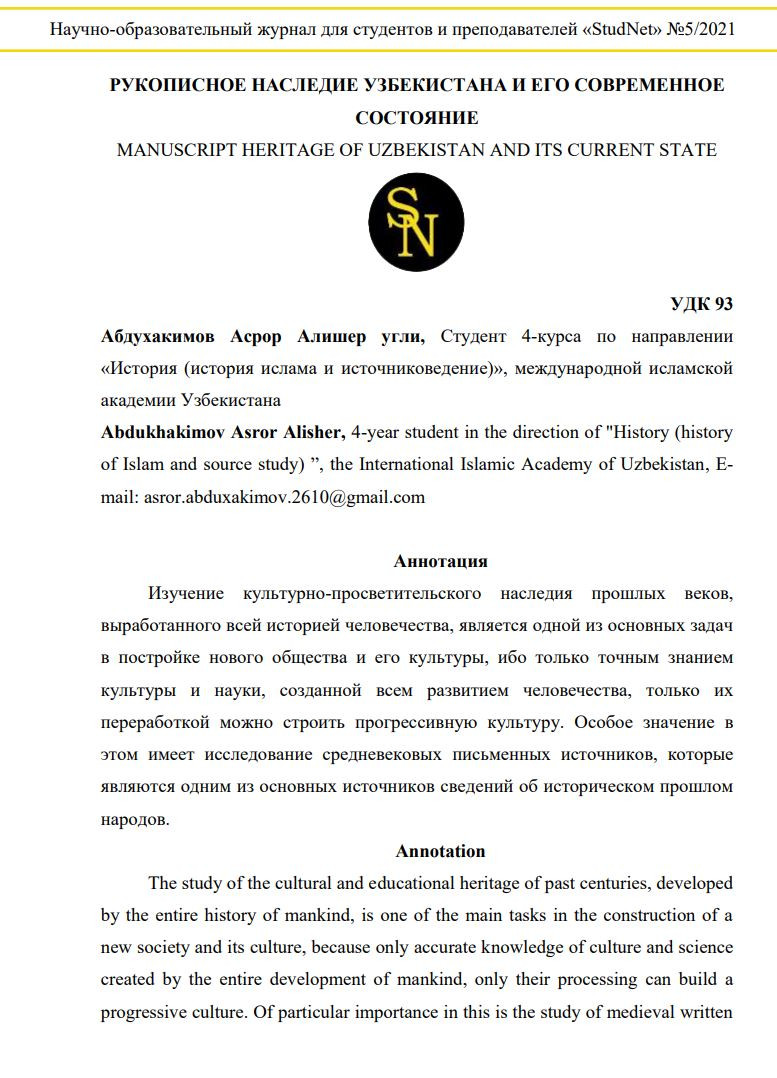 Manuscript Heritage of Uzbekistan and Its Current State 出版年份: 2021 作者: Asror Abdukhakimov The study of the cultural and educational heritage of past centuries, developed by the entire history of mankind, is one of the main tasks in the construction of a new society and its culture, because only accurate knowledge of culture and science created by the entire development of mankind, and their processing can build a progressive culture. Of particular importance in this is the study of medieval written sources, which are one of the main sources of information about the historical past of people. Рукописное наследие Узбекистана и его современное состояние 出版年份: 2021 作者: Asror Abdukhakimov Изучение культурно-просветительского наследия прошлых веков, выработанного всей историей человечества, является одной из основных задач в постройке нового общества и его культуры, ибо только точным знанием культуры и науки, созданной всем развитием человечества, только их переработкой можно строить прогрессивную культуру. Особое значение в этом имеет исследование средневековых письменных источников, которые являются одним из основных источников сведений об историческом прошлом народов.
  Living in a new world starts with education (SangSaeng no. 37 summer autumn 2013) 出版年份: 2013 作者: Hans van Ginkel 机构作者: APCEIU SangSaeng No. 37- How to Foster Global Citizenship? has been published. In order to help our readers better grasp the concept of global citizenship and provide useful information and new ideas, this issue deals with various aspects of global citizenship education.3 Director’s Message4 Special ColumnBuilding True Citizens for a Single Humanity8 Focus: How to Foster Global Citizenship?8 Eliminating World Challenges through Global Citizenship Education 13 Developing Global Citizens with a Global Perspective18 Living in a New World Starts with Education23 GCE in Every Corners of the World28 Best Practices28 Hands-on Hand Print for Environmental Sustainability32 Bhutan Teachers Learn New Models of Education35 Comic Relief: Song of the City36 Special ReportPaving the Way Together for Global Citizenship Education40 InterviewBuilding a Global Community out of the Ashes of Poverty42 LetterCapturing Moments of Living in Harmony44 Peace in My MemoryHow Golf Speaks about Peace47 Understanding the Asia-Pacific RegionDiscovering Locks beyond the Function of Opening and Closing50 APCEIU in Action
  Developing global citizens with a global perspective (SangSaeng no. 37 summer autumn 2013) 出版年份: 2013 作者: Misato Yamaguchi 机构作者: APCEIU SangSaeng No. 37- How to Foster Global Citizenship? has been published. In order to help our readers better grasp the concept of global citizenship and provide useful information and new ideas, this issue deals with various aspects of global citizenship education.3 Director’s Message4 Special ColumnBuilding True Citizens for a Single Humanity8 Focus: How to Foster Global Citizenship?8 Eliminating World Challenges through Global Citizenship Education 13 Developing Global Citizens with a Global Perspective18 Living in a New World Starts with Education23 GCE in Every Corners of the World28 Best Practices28 Hands-on Hand Print for Environmental Sustainability32 Bhutan Teachers Learn New Models of Education35 Comic Relief: Song of the City36 Special ReportPaving the Way Together for Global Citizenship Education40 InterviewBuilding a Global Community out of the Ashes of Poverty42 LetterCapturing Moments of Living in Harmony44 Peace in My MemoryHow Golf Speaks about Peace47 Understanding the Asia-Pacific RegionDiscovering Locks beyond the Function of Opening and Closing50 APCEIU in Action
 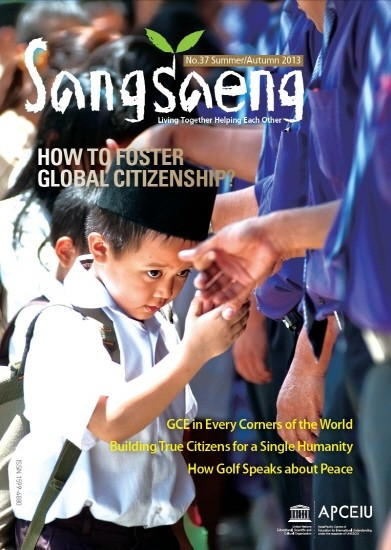 Eliminating world challenges through global citizenship education (SangSaeng no. 37 summer autumn 2013) 出版年份: 2013 作者: Kaisa Savolainen 机构作者: APCEIU SangSaeng No. 37- How to Foster Global Citizenship? has been published. In order to help our readers better grasp the concept of global citizenship and provide useful information and new ideas, this issue deals with various aspects of global citizenship education.3 Director’s Message4 Special ColumnBuilding True Citizens for a Single Humanity8 Focus: How to Foster Global Citizenship?8 Eliminating World Challenges through Global Citizenship Education 13 Developing Global Citizens with a Global Perspective18 Living in a New World Starts with Education23 GCE in Every Corners of the World28 Best Practices28 Hands-on Hand Print for Environmental Sustainability32 Bhutan Teachers Learn New Models of Education35 Comic Relief: Song of the City36 Special ReportPaving the Way Together for Global Citizenship Education40 InterviewBuilding a Global Community out of the Ashes of Poverty42 LetterCapturing Moments of Living in Harmony44 Peace in My MemoryHow Golf Speaks about Peace47 Understanding the Asia-Pacific RegionDiscovering Locks beyond the Function of Opening and Closing50 APCEIU in Action
 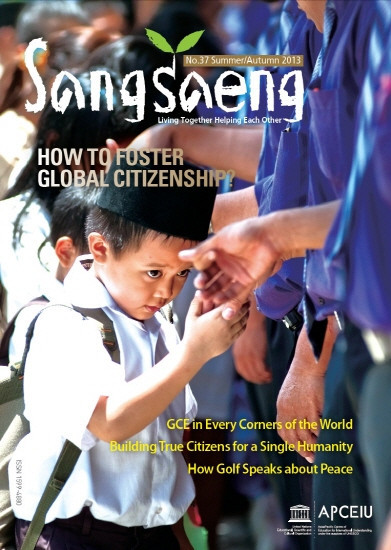 Building true citizens for a single humanity (SangSaeng no. 37 summer autumn 2013) 出版年份: 2013 机构作者: APCEIU SangSaeng No. 37- How to Foster Global Citizenship? has been published. In order to help our readers better grasp the concept of global citizenship and provide useful information and new ideas, this issue deals with various aspects of global citizenship education.3 Director’s Message4 Special ColumnBuilding True Citizens for a Single Humanity8 Focus: How to Foster Global Citizenship?8 Eliminating World Challenges through Global Citizenship Education 13 Developing Global Citizens with a Global Perspective18 Living in a New World Starts with Education23 GCE in Every Corners of the World28 Best Practices28 Hands-on Hand Print for Environmental Sustainability32 Bhutan Teachers Learn New Models of Education35 Comic Relief: Song of the City36 Special ReportPaving the Way Together for Global Citizenship Education40 InterviewBuilding a Global Community out of the Ashes of Poverty42 LetterCapturing Moments of Living in Harmony44 Peace in My MemoryHow Golf Speaks about Peace47 Understanding the Asia-Pacific RegionDiscovering Locks beyond the Function of Opening and Closing50 APCEIU in Action
 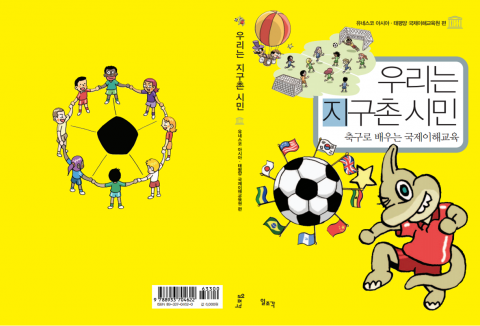 우리는 지구촌 시민: 축구로 배우는 국제이해교육 出版年份: 2004 机构作者: 유네스코 아시아태평양 국제이해교육원 『우리는 지구촌 시민—축구로 배우는 국제이해교육』은 세계화 시대에 우리 학생들이 세계 이웃의 다른 모습을 이해하고, 함께 살아가는 가치관을 깨우칠 수 있도록 도움을 주기 위하여 만들어진 교재입니다.세계적인 석학들과 교육 전문가들로 구성된 유네스코 21세기 세계교육위원회는 「들로르 보고서」에서 ‘함께 살기 위한 교육’을 21세기 교육의 핵심 과제로 제시하였습니다. 점차 증가하고 있는 여러가지 갈등 문제를 교육을 통하여 해결해 나가기 위한 시도인 것입니다. 이러한 세계적인 흐름 속에서 우리나라도 이에 발맞추어 제 7차 교육과정에서 '국제이해교육'을 창의적 재량학습 과목의 하나로 채택하였습니다. 이제는 국제이해교육의 하나의 독립된 학습 과목으로 자리잡을 수 있게 되었고, 이에 걸맞은 전문 교재와 교육 자료들이 필요하게 되었습니다. 하지만 안타깝게도 이러한 시대적인 요구를 만족시켜 줄만한 교재나 교육 자료는 그다지 많지 않습니다. 또한 '국제이해교육'이라는 제목을 통해서도 알 수 있듯이, 그 범위가 아주 넓어 어디서부터 어떻게 시작해야 할 지 막막한 기분이 드는 것도 사실입니다.유네스코 아시아태평양 국제이해교육원은 이러한 교육 현장의 요구에 부응하기 위해 『우리는 지구촌 시민—축구로 배우는 국제이해교육』을 발간하게 되었습니다. 유네스코 아시아태평양 국제이해교육원은 아시아·태평양 지역의 45개 나라들과 함께 '국제이해교육'을 강화하고 발전시킬 책임을 완수하기 위해 학교와 시민사회에서 다양한 활동을 이어오고 있습니다. 이러한 활동의 일환으로 우리 교육원은 다양한 분야의 전문가들과 함께 국제이해교육의 교육과정을 연구하는 동시에, 교원들에 대한 연수와 교육자료 개발에 온 힘을 쏟고 있습니다. 이번에 발간된 『우리는 지구촌 시민—축구로 배우는 국제이해교육』은 일곱 개의 장으로 구성되어 있으며, 각 장은 학생들이 세계 여러 나라의 저마다 다른 문화에 대한 이해를 통해서 문화간 이해, 인권, 평화, 세계화, 지속가능한 발전 등의 범세계적인 가치관을 배울 수 있도록 짜여졌습니다. 학생들이 일상 생활에서 쉽게 접할 수 있는 '축구'라는 작고 친근한 소재를 통해 '나와 다른 모습에 대한 이해'와 '함께 만들어가는 세상'을 체험하고 배울 수 있도록 꾸몄으며, 각 단원마다 다양한 <함께해보기>를 수록하여 학생들이 직접 참여함으로써 자신들이 가지고 있던 편견과 선입견을 발견하고 스스로 깨우쳐 나갈 수 있도록 구성하였습니다. 이 교재를 통하여 학생들이 편견에서 벗어나 세계의 친구들과 함께 살아갈 수 있는 올바른 가치관과 태도를 배울 수 있게 되기를 바랍니다.
 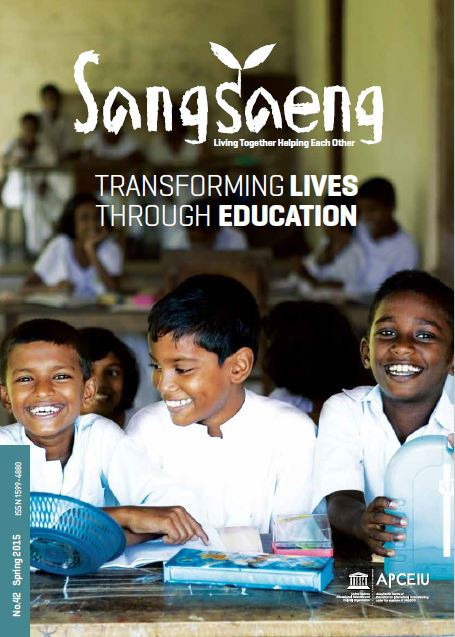 Transforming lives through education (SangSaeng no. 42 spring 2015) 出版年份: 2015 机构作者: APCEIU The 42nd issue of SangSaeng, ‘Transforming Lives Through Education’, has been published. This spring edition has been released prior to the World Education Forum 2015 to provide the context for the post-2015 education agenda. It contains compelling articles that underline the importance of Global Citizenship Education in building a more sustainable and peaceful society. 3 Director’s Message4 Special Column Every Child Deserves a Child-Friendly World8 Focus: Transforming Lives Through Education 8 Emergence of Global Citizenship Education in the Post-2015 Education Agenda13 Re-Visioning Education Beyond 201518 Global Citizenship Education for the 21st Century23 Young People Are Ready to Lead: The Education We Want26 Interview Education Beyond 201531 Special ReportGlobal UNESCO Clearinghouse on Global Citizenship Education Hosted by APCEIU34 Best Practices34 Citizenship Education in a Community Setting38 Pangaea42 Letter Unity in Diversity44 Peace in My MemoryPresenting a Message of Peace Through Music47 Understanding the Asia-Pacific Region Timeless Festivity of the Ancient World: Hidirellez50 APCEIU in Action Transformer des vies par l'éducation (SangSaeng no. 42 printemps 2015) 出版年份: 2015 机构作者: APCEIU Message du Directeur 3 4 Colonne spécialeChaque enfant mérite un enfant-Friendly Monde 8 Mise au point: Transformer des vies par l'éducation8 Emergence de L'éducation à la citoyenneté Mondiale (ECM) dans le L'après 2015 Agenda Education13 Re-Visioning Education Beyond 201518 L'éducation à la citoyenneté Mondiale (ECM) pour le 21e siècle23 jeunes gens sont prêts à plomb: L'éducation que nous voulons 26 InterviewEducation Beyond 2015 Rapport spécial 31Centre UNESCO mondial sur L'éducation à la citoyenneté Mondiale (ECM) Hébergé par APCECI 34 Meilleures pratiques34 éducation à la citoyenneté dans un cadre communautaire38 Pangaea 42 LettreUnité dans la diversité 44 Paix dans ma mémoirePrésenter un message de paix par la musique 47 Présentation de la région Asie-PacifiqueTimeless Festivity du monde antique: Hidirellez 50 APCECI en action
 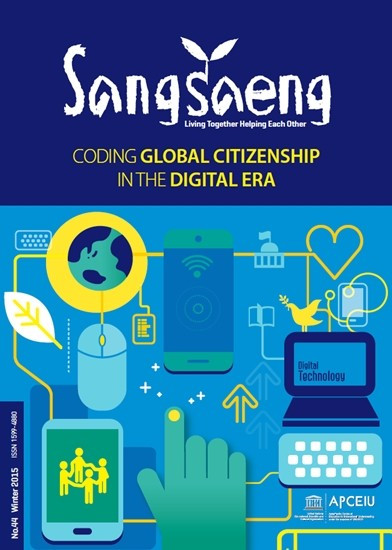 Coding global citizenship in the digital era (SangSaeng no. 44 winter 2015) 出版年份: 2015 机构作者: APCEIU Summary:The 44th issue of SangSaeng, “Coding Global Citizenship in the Digital Era,” has been released. The advancement of digital technology has connected the world, accelerating globalization. In this global digital age, Global Citizenship Education (GCED) is drawing enormous attention. Recognizing its significance, this Winter edition brings out the topic of GCED for digital citizens through the lens of education policymakers, children and youth, and corporations. In particular, the articles suggest actively participating in and contributing to the information society through ethical, safe, and responsible use of digital technology as the core competency for global citizens in the digital era.8 Striking a Balance Between Digital Opportunities & Related Risks12 Young People as Active Citizens in the Digital Age16 Empowering Children to Become Creative Digital Leaders20 Fostering Inclusive Innovation for a Better World38 Interview38 Understanding Culture through Media and Language40 Embracing Diversity to Live Together42 Peace in My MemoryTo achieve Peace, Must Understand Peace46 Understanding the Asia-Pacific RegionGlimpse into Ancient Healing Ritual of Ulik Mayang50 APCEIU in Action