
相关资源
探索丰富的全球公民教育资源,深化理解,促进研究、倡导、教学与学习。
共找到1,444条结果
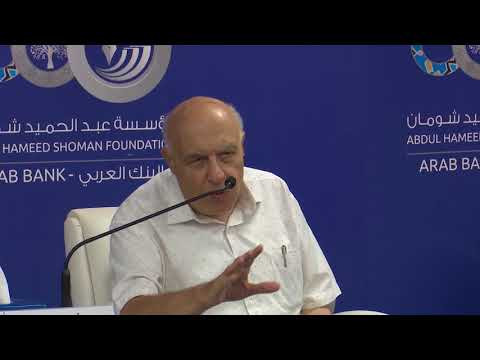 Globalization and Its Impact on the Concept of Identity 出版年份: 2017 作者: Hisham Ghassib 机构作者: Abdul Hameed Shoman Foundation The Abdul Hameed Shoman Cultural Foundation Forum, on 7/8/2017, hosted the Jordanian thinker, Dr. Hisham Ghosseb in a lecture entitled "Globalization and its Impact on the Concept of Identity", presented by Dr. Maher Al-Sarraf.This video is a lecture in which the lecturer talks about globalization and its impact. The lecturer discusses the concept of globalization, its ideologies, and the extent of its impact on identity. العولمة وأثرها على مفهوم الهوية 出版年份: 2017 作者: Hisham Ghassib 机构作者: Abdul Hameed Shoman Foundation ستضاف منتدى مؤسسة عبد الحميد شومان الثقافي، بتاريخ 7/8/2017 المفكر الأردني د. هشام غصيب في محاضرة بعنوان "العولمة وأثرها على مفهوم الهوية"، قدمه فيها وأدار الحوار مع الجمهور د. ماهر الصراف.الفيديو عبارة عن محاضرة يتحدث فيها المحاضر عن العولمة وتأثيرتها. يناقش المحاضر مفهوم العولمة وايدلوجاتيها ومدى تأثيرهاعلى الهوية.
  World Report on the Culture of Peace: Civil Society Report at Midpoint of the Culture of Peace Decade 出版年份: 2005 机构作者: Foundation for a Culture of Peace The year 2005 marks the midpoint of the International Decade for a Culture of Peace and Non-Violence for the Children of the World (2001-2010) as proclaimed by the United Nations General Assembly.The present report has been submitted to the UN Secretary-General for the General Assembly's consideration at its next session under the relevant agenda item which will review the midpoint of the Culture of Peace Decade. This initiative responds to the invitation contained in operative paragraph 10 of General Assembly resolution A/59/143.The report is based on the accounts submitted by 700 organizations from all regions of the world. From the information received, it can be concluded that the culture of peace is advancing.The report provides the first comprehensive view of the progress made by the global movement for a culture of peace, since it was called for in 1999 by General Assembly resolution A/53/243 (annexed to the end of this report). Rapport Mondial de la Culture de la Paix: Rapport de la société civile à mi-parcours de la Décennie de la Culture de Paix 出版年份: 2005 机构作者: Foundation for a Culture of Peace L'année 2005 se situe à mi-parcours de la Décennie internationale de la promotion d'une culture de la nonviolence et de la paix au profit des enfants du monde (2001-2010), conformément à la proclamation de l'Assemblée générale de l'Organisation des Nations Unies.Le présent rapport a été présenté au secrétaire général de l'Organisation des Nations Unies pour être étudié lors de la 60e session de l'Assemblée générale, lorsque sera abordé le point de l'ordre du jour relatif aux cinq premières années de la Décennie pour une culture de la paix. Cette initiative répond à l'invitation formulée au paragraphe 10 de la résolution A/59/143 de l'Assemblée générale.Le rapport est élaboré à partir d'informations présentées par 700 organisations provenant de toutes les régions du monde. Toutes les informations reçues permettent de conclure que la culture de la paix progresse.Le rapport fournit le premier panorama exhaustif des progrès réalisés par le mouvement mondial pour une culture de la paix depuis sa proclamation en 1999 par l'Assemblée générale dans sa résolution A/53/243 (en annexe au présent rapport). Informe Mundial de Cultura de Paz: Informe de la sociedad civil en la mitad del Decenio de Cultura de Paz 出版年份: 2005 机构作者: Foundation for a Culture of Peace El año 2005 marca la mitad del Decenio Internacional de una cultura de paz y no violencia para los niños del mundo (2001-2010), tal y como proclamó la Asamblea General de las Naciones Unidas.Este informe se ha presentado al Secretario General de las Naciones Unidas para la consideración de la Asamblea General en su 60º periodo de sesiones dentro del punto del orden del día donde se examinarán los primeros cinco años del Decenio de una Cultura de Paz. Esta iniciativa responde a la invitación recogida en el párrafo operativo 10 de la resolución A/59/143 de la Asamblea General.El informe se basa en la información presentada por 700 organizaciones provenientes de todas las regiones del mundo. De toda la información recibida, se puede concluir que la cultura de paz está avanzando.El informe proporciona la primera visión exhaustiva del progreso hecho por el movimiento global por una cultura de paz, desde que fue proclamado en 1999 por la Asamblea General en su resolución A/53/243 (anexada al presente informe). تقرير عن ثقافة السلام في العالم 出版年份: 2005 机构作者: Foundation for a Culture of Peace أعلنت الجمعية العامة للأمم المتحدة العقد الدولي من أجل ثقافة للسلام وعدم العنف ضد أطفـال العـالم خلال الفترة 2001 – 2010 قرارها 53/25 بتاريخ 10 نوفمبر 1998 .وعلاوة على ذلك، أقرت الجمعية العامة سنة 1999 إعلان وبرنامج عمل من أجل ثقافة السلام.وفي سنة 2000 أنشئت مؤسسة ثقافة السلام دف الإسهام بناء وتدعيم ثقافة السلام مـن خـلال التفكير، والبحوث، والتعليم، والعمل الموقع. وقد تابعت المؤسسة بنشاط تنفيذ إعلان وبرنامج عمل الأمم المتحدة والأنشطة التي نفذت أثناء العقد الدولي.وبناء على ذلك، أعدت المؤسسة، طبقً للقرار 59 / 143 بتاريخ 15 ديسمبر 2004 التقرير العـالمي الحالي عن ثقافة السلام وقدمته إلى الأمين العام للأمم المتحدة لكي تنظر فيه الجمعية العامة. ويضم هذا الكتيب تقرير اتمع المدني منتصف عقد ثقافة السلام. وهو يتضمن معلومات جمعتها وقدمتها ما يقرب من 700 منظمة على مستوى العالم وهي التي حللت الأنشطة التي نفذت لتعزيز ثقافة السلام وعدم العنف وكذلك التقدم الذي تحقق أثناءالنصف الأول من العقد الدولي.ويوضح الكتيب المعوقات التي اعترضت تنفيذ القيم التي تضمنها الإعلان وبرنامج العمل. كمـا ذكـرت الجمعية العامة مراراً، فإ الدول الأعضاء تزال مدعوة تواصل إعطاء مزيد من التركيز وتوسـيع أنشـطتها الداعمة لثقافة السلام وعدم العنف على المستويات الوطنية، والإقليمية، والدولية.
 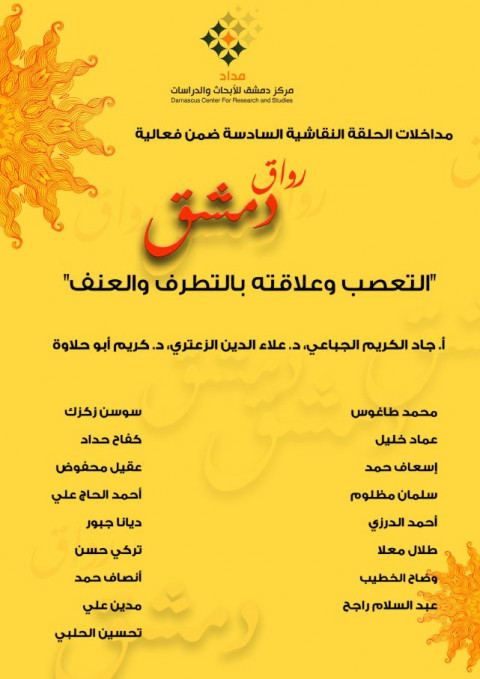 Intolerance and Its Relationship to Extremism and Violence 出版年份: 2017 作者: Jad Al-Karim Al-Jabaei | Aladdin Zaatari | Karim Abu Halawa 机构作者: Damascus Center for Research and Studies This document is a set of research papers discussing intolerance and its relationship to extremism and violence. In this production, the researchers tried to shed light on one of the issues facing societies, which is intolerance. التعصب وعلاقته بالتطرف والعنف 出版年份: 2017 作者: Jad Al-Karim Al-Jabaei | Aladdin Zaatari | Karim Abu Halawa 机构作者: Damascus Center for Research and Studies مجموعة من الأوراق البحثية تناقش التعصب وعلاقته بالتطرف والعنف. حاول الباحثون في هذا الانتاج تسليط الضوء على واحد من القضايا التي تواجه المجتمعات وهو التعصب.
  Report of the Director-General of the United Nations Educational, Scientific and Cultural Organization on the follow-up to the implementation of the Declaration and Program of Action on a Culture of Peace 出版年份: 2013 机构作者: United Nations. Secretary-General, 2007-2016 (Ban, Ki-moon) | UNESCO. Director-General, 2009-2017 (Bokova, I.G.) This is a report submitted by the Director-General of the United Nations Educational, Scientific and Cultural Organization, pursuant to General Assembly resolution 67/1, to follow up on the implementation of the Declaration and Program of Action on a Culture of Peace. The Director-General has reviewed an overview of the activities carried out to promote a culture of peace and non-violence, jointly with the United Nations Educational, Scientific and Cultural Organization (UNESCO) as the lead agency in the United Nations system on this subject. تقرير المديرة العامة لمنظمة الأمم المتحدة للتربية والعلم والثقافة عن متابعة تنفيذ الإعلان وبرنامج العمل المتعلقين بثقافة السلام 出版年份: 2013 机构作者: United Nations. Secretary-General, 2007-2016 (Ban, Ki-moon) | UNESCO. Director-General, 2009-2017 (Bokova, I.G.) هذا هو تقريـر مقـدم مـن المـديرة العامـة لمنظمـة الأمـم المتحـدة للتربيـة والعلم والثقافة عملاً بقرار الجمعية العامة ٦٧/١، لمتابعة تنفيذ الإعلان وبرنامج العمل المتعلقين بثقافة السلام. وقد استعرضت المديرة العامة لمحة عامة عن الأنشطة المنفذة لترويج ثقافة السلام واللاعنف، بالاشتراك مع منظمة الأمم المتحدة للتربية والعلم والثقافة (اليونيسكو) باعتبارها الوكالة الرائدة في منظومة الأمم المتحدة المعنية بهذا الموضوع.