
相关资源
探索丰富的全球公民教育资源,深化理解,促进研究、倡导、教学与学习。
共找到3,229条结果
 G20 Collaborative Strategy for SDG 4 Target 4.7: Monitoring Progress in Education for Sustainable Development and Global Citizenship Education; Policy Brief 出版年份: 2020 作者: Charlotte Holland | Dinah Bennett | Abdul Ghaffar Mughal | Huan NI 机构作者: Think 20 (T20) Saudi Arabia The COVID-19 pandemic serves as an important reminder for the need for global solutions and solidarity among nations to address global challenges. This includes the challenges articulated within the 17 sustainable development goals (SDGs) under the 2030 Agenda for Sustainable Development. This policy brief seeks to harness the expertise and experience of the Group of 20 (G20) partnership to accelerate the quality monitoring of Target 4.7 under SDG 4. It proposes the establishment of structures that enable more holistic tracking of the integration of education for sustainable development and global citizenship within policies, teacher education, curricula, and learner assessment at all levels of education.
  [Summary] 2020 Africa SDG Index and Dashboards Summary Report: Leave No One Behind to Achieve the SDGs in Africa 出版年份: 2020 作者: Ambrose Rwaheru Aheisibwe | Eve de la Mothe Karoubi | Olive Dushime | Grayson Fuller | Enock Nyorekwa Twinoburyo | Abigail Simkoko 机构作者: Sustainable Development Goals Center for Africa | Sustainable Development Solutions Network (SDSN) | Mo Ibrahim Foundation The 2020 Africa SDG Index and Dashboards Report provides an assessment of where African countries stand with respect to the SDGs and their progress toward the goals, with the additional lens of “leave no one behind.” The report also includes a preliminary analysis of the impact of COVID 19 on the SDGs in Africa. [Résumé] Afrique 2020 Indice et tableaux de bord des ODD résumé du rapport: Ne laisser personne de côté dans la mise en œuvre des ODD en Afrique 出版年份: 2020 作者: Ambrose Rwaheru Aheisibwe | Eve de la Mothe Karoubi | Olive Dushime | Grayson Fuller | Enock Nyorekwa Twinoburyo | Abigail Simkoko 机构作者: Sustainable Development Goals Center for Africa | Sustainable Development Solutions Network (SDSN) | Mo Ibrahim Foundation Le Rapport 2020 sur l’Indice et les Tableaux de Bord des Objectifs de développement durable pour l’Afrique offre une évaluation de la situation des pays africains par rapport aux Objectifs de développement durable (ODD). Il offre aussi une évaluation de leurs progrès vers la réalisation de ces objectifs, vue sous l’angle du principe de « ne laisser personne de côté ». Le Rapport comprend aussi une analyse préliminaire de l’impact de la COVID-19 sur les ODD en Afrique qui est inclut dans ce résumé.
  The Remapping and Analysis of Human Rights and Peace Education in ASEAN/Southeast Asia 出版年份: 2019 机构作者: Strengthening Human Rights and Peace Research/Education in ASEAN/Southeast Asia (SHAPE-SEA) | AUN Human Rights Education Network (AUN-HRE) This book is the result of SHAPE-SEA’s Research Project on “The Remapping and Analysis of Human Rights and Peace Education in ASEAN/Southeast Asia.” It is a follow-up to the 2013 report on “The Mapping and Analysis of Human Rights and Peace Education in Southeast Asia.” It aimed at establishing a systematic updating of developments in human rights and peace education/studies in ASEAN/Southeast Asia. The study investigated courses and programmes on human rights and peace & conflict being undertaken by higher education institutions in all ASEAN member countries and Timor Leste. It had also identified new developments and/or setbacks in human rights and peace education. Researchers located existing academic institutions that have been running programmes and courses on human rights and/or peace. The analysis of existing course syllabi and curriculum in the region was also conducted. To a certain extent, materials being used by instructors were also examined.
  Getting Started With the SDGs in Universities: A Guide for Universities, Higher Education Institutions, and the Academic Sector (Australia, New Zealand and Pacific Edition) 出版年份: 2017 作者: Tahl Kestin | Marjan van den Belt | Leanne Denby | Katie Ross | John Thwaites | Martine Hawkes 机构作者: Sustainable Development Solutions Network (SDSN) Australia/Pacific | Australasian Campuses Towards Sustainability (ACTS) | Sustainable Development Solutions Network (SDSN) Getting started with the SDGs in universities outlines the key roles universities – and the higher education and academic sectors more generally – have in contributing to the United Nations (UN) Sustainable Development Goals (SDGs) and the benefits of becoming engaged. It provides practical guidance on how to get started with deepening contributions. Cómo empezar con los ODS en las universidades: Una guía para las universidades, los centros de educación superior y el sector académico 出版年份: 2017 作者: Tahl Kestin | Marjan van den Belt | Leanne Denby | Katie Ross | John Thwaites | Martine Hawkes 机构作者: Sustainable Development Solutions Network (SDSN) Australia/Pacific | Australasian Campuses Towards Sustainability (ACTS) | Sustainable Development Solutions Network (SDSN) Empezar con los ODS en las universidades subraya tanto el papel clave que las universidades – y, en general, la educación superior y el sector académico - tienen en contribuir a alcanzar los Objetivos de Desarrollo Sostenible (ODS) de Naciones Unidas, así como los beneficios que este compromiso pueda conllevar. La guía proporciona información práctica sobre cómo empezar a trabajar través de ejemplos concretos. Как начать внедрение ЦУР в университетах: Руководство для университетов и иных учреждений высшего образования, а также для научных организаций 出版年份: 2017 作者: Tahl Kestin | Marjan van den Belt | Leanne Denby | Katie Ross | John Thwaites | Martine Hawkes 机构作者: Sustainable Development Solutions Network (SDSN) Australia/Pacific | Australasian Campuses Towards Sustainability (ACTS) | Sustainable Development Solutions Network (SDSN) В документе "Как начать внедрение ЦУР в университетах" раскрывается ключевая роль университетов и прочих учреждений высшего образования, а также научных организаций академического сектора в реализации Целей Устойчивого Развития, а также рассматриваются преимущества вовлечения университетов в соответствующую деятельность. Данный документ представляет собой практическое руководство для университетов, которые хотят в дальнейшем вносить вклад в глобальные усилия по внедрению ЦУР.
 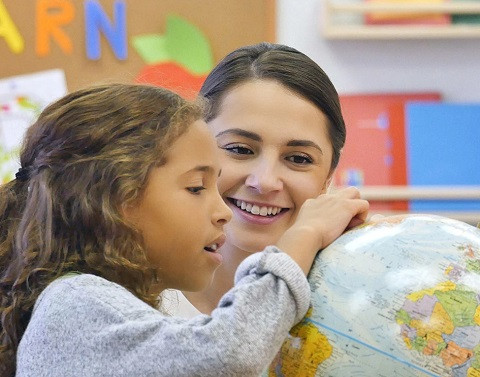 Global Education for Teachers: MOOC 出版年份: 2020 作者: Nicole Blum | Frances Hunt 机构作者: University College London (UCL) The Global Education for Teachers MOOC (Massive Online Open Course) is a three-week course for teachers (3 hours per week) around the world hosted by FutureLearn. The course has been designed specifically for teachers as an introduction to global education and related terms such as global learning / global citizenship education. It will engage teachers with key issues and debates in global education, support collaboration between teachers around the world and provide practical support on how to introduce global issues into teaching. It is intended to develop teachers’ confidence, knowledge and skills to include global education in teaching and in so doing, better prepare students to take on the global challenges they will face now and in the future.
 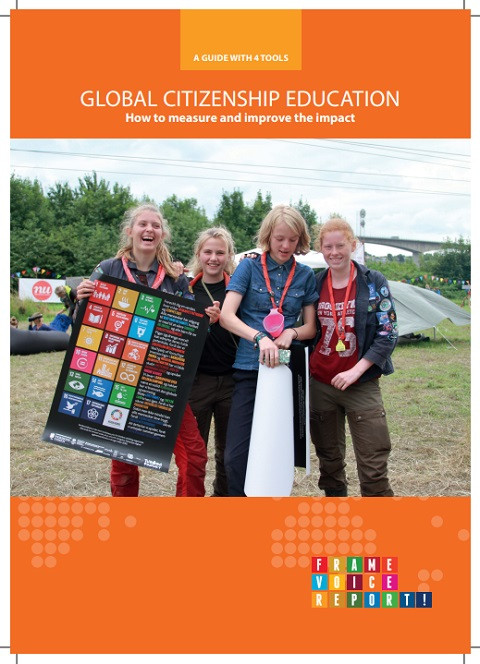 Global Citizenship Education: How to Measure and Improve the Impact 出版年份: 2020 作者: Jan Van Ongevalle 机构作者: Frame Voice Report! Project | Civil Society in Development (CISU) | European Union (EU) This guide presents 4 methods and tools that can help organisations set up an easy-to-use monitoring system for learning about the effects of global citizenship education (GCE) projects. The methods can be used for planning as well as monitoring and evaluating the changes a project has contributed to. At best the methods can keep on strengthening the project in the implementation phase thereby contributing to greater change.
 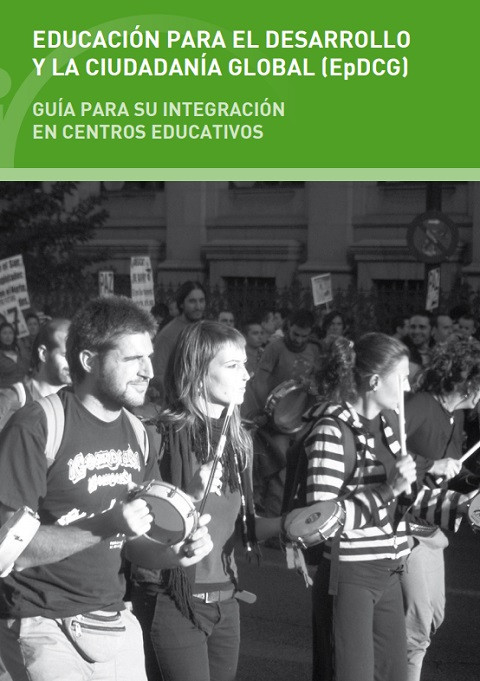 Educación para el Desarrollo y la Ciudadanía Global (EpDCG): Guía para su integración en centros educativos 出版年份: 2016 机构作者: InteRed | Agencia Española de Cooperación Internacional para el Desarrollo (AECID) InteRed presenta en este documento un marco teórico de referencia para acompañar los procesos y acciones de integración de la Educación para el Desarrollo y la Ciudadanía Global como un enfoque integral en los proyectos educativos de los Centros.