
相关资源
探索丰富的全球公民教育资源,深化理解,促进研究、倡导、教学与学习。
共找到2,199条结果
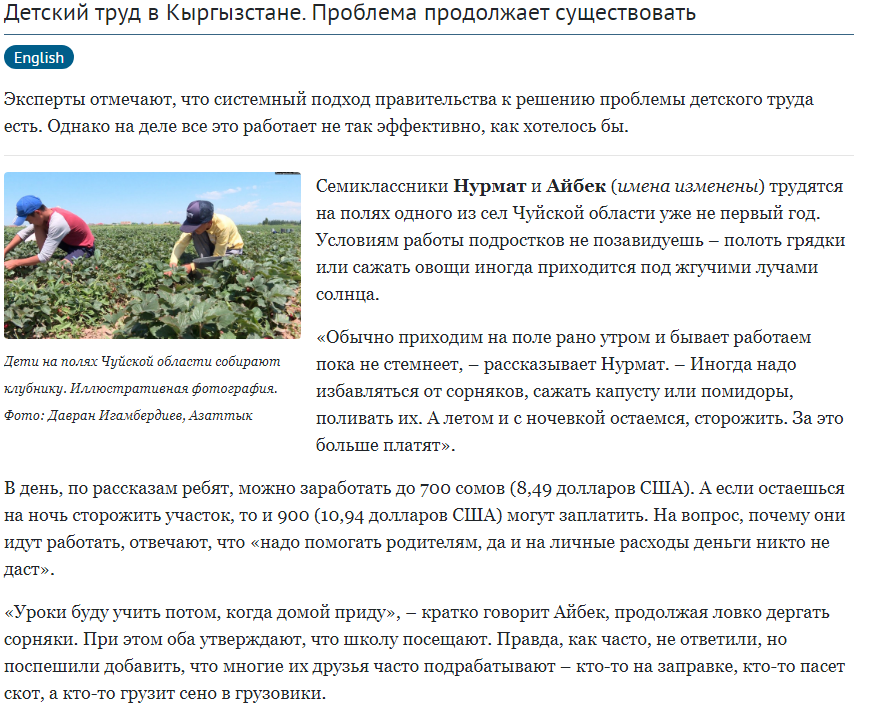 Детский труд в Кыргызстане: Проблема продолжает существовать 出版年份: 2022 机构作者: Central Asian Bureau for Analytical Reporting (CABAR) Эксперты отмечают, что при наличии системного подхода правительства Кыргызстана к решению проблемы детского труда на практике сохраняется ряд вызовов. Данная статья рассматривает некоторые причины вовлечения детей в рынок труда, среди которых экономическая нестабильность, массовая миграция населения, рост уровня бедности, влияние местных обычаев и традиций. В статье также приведен обзор релевантных статистических данных и некоторых национальных инициатив, направленных на искоренение детского труда.
 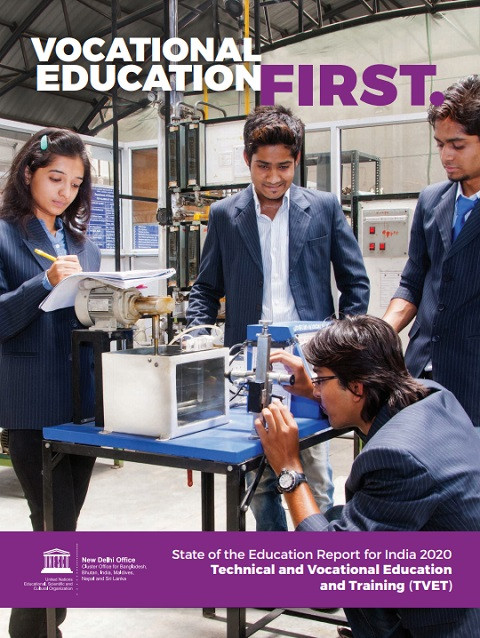 Vocational Education First: State of the Education Report for India 2020; Technical and Vocational Education Training (TVET) 出版年份: 2020 作者: Leena Chandran Wadia | Neela Dabir 机构作者: UNESCO New Delhi This report aims to capture the intense activity of the vocational education and training sector and highlights achievements and promising practices in India. The report makes important recommendations for reforms and for the use of TVET to empower youth to adapt to the post-COVID world.
 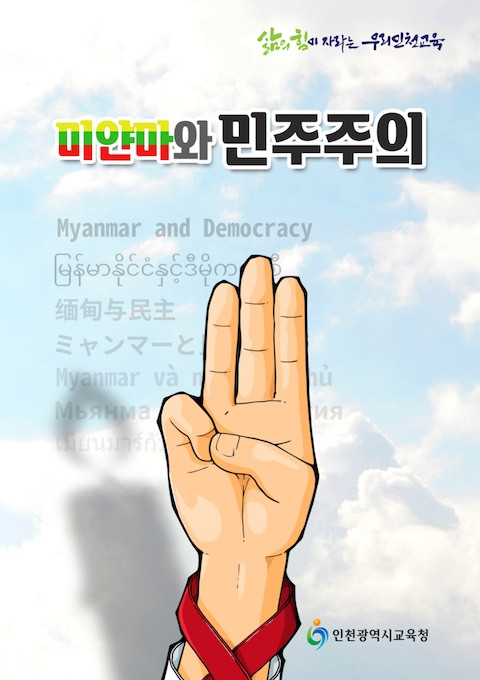 미얀마와 민주주의 出版年份: 2021 机构作者: 인천광역시교육청 본 교수·학습 자료는 학생용 자료로 공감, 이해, 행동 총 3차시로 나누어, 현재 미얀마에서 벌어진 군부 쿠테타와 이에 저항하는 시민불복종 운동을 민주주의와 평화의 가치를 통해 이해하고 동아시아시민으로서 연대하고 실천하도록 구성하였다.
  SDG4 관점에서 한국의 COVID-19 대응 진단 및 Post COVID-19를 위한 제언 出版年份: 2020 作者: 장상현 | 계보경 | 김민 | 박기웅 | 백송이 | 김명량 | 김동진 | 장경숙 | 김정희 | 황정원 | 김철희 | 최현식 | 박민선 | 엄정민 机构作者: 한국교육학술정보원 본 연구는 UN의 지속가능개발목표(SDGs)의 네 번째인 SDG4의 관점에서 한국의 COVID-19에 대한 교육정책 분야의 대응 방안과 사례를 진단하고, COVID-19 이후에 맞이하게 될 시대의 SDG4 세부목표를 제안하기 위해 수행되었다. 모든 이를 위한 포용적이고 공평한 양질의 교육 보장과 평생학습의 증진을 위한 ‘교육2030 인천 선언(Education 2030: Incheon Declaration and Framework for Action)’이 채택된 이후, SDG4 교육목표를 달성하기 위한 범 정부와 민간 차원의 지원이 계속되었으나, COVID-19 팬데믹으로 인해 학생들 간의 학습 격차가 발생하고, 학습 기회가 약화되는 등 적극적인 대응책이 필요해지고 있는 상황이다. 이에 본 연구에서는 COVID-19 상황 하에서 한국의 교육 현황을 점검하고 포용성, 형평성, 양질의 교육을 실현할 수 있는 대응 방안을 탐색하며, 이를 바탕으로 글로벌 의제와 한국적 대응 방안을 융합한 포스트 COVID-19를 위한 SDG4 세부목표별 제언을 도출하고자 하였다. 본 저작물은 한국교육학술정보원에서 2020년 작성하여 공공누리 제 4유형으로 개방한 ‘SDG4 관점에서 한국의 COVID-19 대응 진단 및 Post COVID-19를 위한 제언(장상현 외)’을 이용하였으며 해당 저작물은 한국교육학술정보원(www.keris.or.kr)에서 무료로 다운받으실 수 있습니다.
 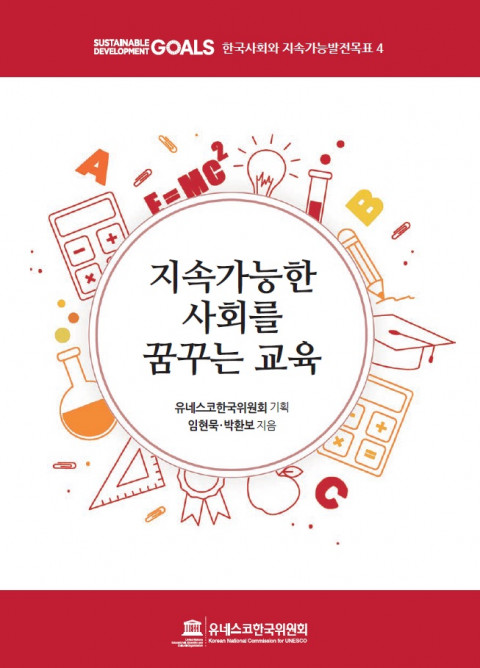 한국사회와 지속가능발전목표 4: 지속가능한 사회를 꿈꾸는 교육 出版年份: 2018 作者: 임현묵 | 박환보 机构作者: 유네스코한국위원회 지속가능발전목표에 대한 시민의 이해를 돕고자 유네스코한국위원회가 발간하는 ‘한국사회와 지속가능발전목표’ 시리즈 중 4번째로, 세계시민교육과 지속가능발전교육을 포함한 지속가능발전목표 4번을 집중적으로 다루고 있다. 유네스코한국위원회는 2017년 <<한국사회와 지속가능발전목표 7: 우리의 지속가능한 에너지>>와 <<한국사회와 지속가능발전목표 11: 우리의 지속가능한 도시>>를 펴낸 데 이어, 2018년에는 <<한국사회와 지속가능발전목표 15: 우리의 지속가능한 생물다양성>>과 이 책을 발간했다.
  미디어 리터러시 교육과정 운영을 통한 시민역량 제고 방안 연구 (2019년 교육부 정책연구보고서) 出版年份: 2019 作者: 강진숙 | 배현순 | 김지연 | 박유신 | 엄지홍 본 연구는 시민역량을 제고할 수 있는 국내 초중등 미디어 리터러시 교육과정의 구성과 실행방안 및 정책방안을 도출하는 데 목적이 있다.
 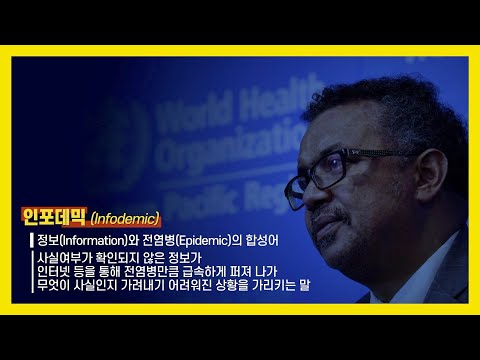 인포데믹을 이기는 미디어 리터러시 出版年份: 2020 机构作者: 서울특별시교육청 교육연구정보원 본 영상은 코로나19시대에 우리가 고민해야 할 중요한 이슈인 미디어리터러시를 강조하면서, 팩트체크 사이트 및 가짜뉴스 판별법 10가지 적용하기 등을 통해 비판적 사고력을 길러 인포데믹을 이기는 방법을 소개한다.
  나는 디지털 시민인가 (디지털 시민총서; 1) 出版年份: 2020 作者: 김양은 机构作者: 방송통신위원회 | 한국지능정보사회진흥원 본 자료는 디지털 시대가 요구하는 디지털 시민성, 그리고 디지털 시민이 알아야 할 디지털 사회의 다양한 모습을 살펴보도록 구성하였다.
  Review of Comprehensive Sexuality Education in Thailand 出版年份: 2017 机构作者: United Nations Children's Fund (UNICEF) | Thailand. Ministry of Education This review of comprehensive sexuality education (CSE) in Thai educational institutions collected data from students, teachers, guardians, school directors and national policy advocacy stakeholders. Standard international data collection tools were used, with the hope that important information could be gathered to guide the development of school-based CSE implementation in Thailand. The review aims to increase understanding about how CSE is being implemented in Thai general secondary schools and vocational colleges and to examine the values and attitudes of teachers, school directors, students, and parents on sexuality and sexuality education. It also analyses policies relevant to current national strategies of CSE implementation and documents successes and gaps in the current provision of CSE in the country. The report, prepared by the Ministry of Education, Thailand, and UNICEF, with inputs from UNESCO Bangkok, is available in English and in Thai.
  ‘공존과 상생’의 2021 평화·세계시민교육 기본계획 出版年份: 2021 机构作者: 서울특별시교육청 본 자료는 서울특별시교육청의 2021 평화·세계시민교육 기본계획안으로, 서울 관내 초·중·고등학교를 대상으로 세계시민교육 현황을 조사 및 분석하고 2021학년도 세계시민교육의 향후 과제 및 세부추진계획을 제시하였다.