
相关资源
探索丰富的全球公民教育资源,深化理解,促进研究、倡导、教学与学习。
共找到3,229条结果
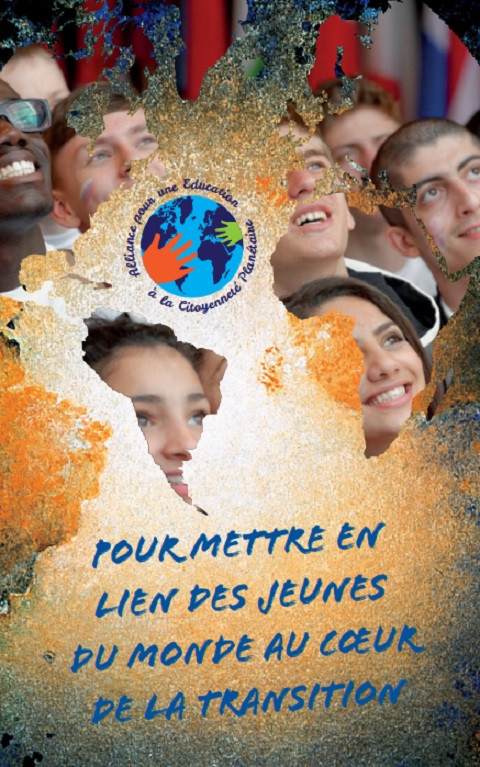 Pour mettre en lien des jeunes du monde au coeur de la transition 出版年份: 2017 作者: Maryse Clary | Jacqueline Charron 机构作者: Alliance pour une Éducation à la Citoyenneté Planétaire (AECP) | Les Amis de Circée Ce groupe d’initiative, en tant qu’experts dans le domaine de l’éducation, anime le réseau, conduit le projet de recherche et se veut porte-parole auprès des instances éducatives. Il est intervenu lors du sommet « Climate Chance » à Nantes en septembre 2016 et suite à la COP 21, intervient à Marrakech lors de la journée éducation du 14 novembre 2016. Il a le soutien des autres membres fondateurs, des signataires de la charte et des partenaires que sont le World Environmental Education Congress (WEEC), le réseau Climates et l’Alliance pour les sociétés responsables et durables. Les équipes de 12 pays sont membres actifs du réseau, comme acteurs de terrain. Elles mettent les jeunes au cœur du système éducatif, sont à leur écoute, travaillent en partenariat réel sur des projets concrets en prise directe avec leur territoire. Ensemble, les experts, et les équipes montrent que les résultats de tous ces projets au Nord comme au Sud visent un changement des systèmes éducatifs pour répondre aux défis du développement durable et du changement climatique.Cette publication relate les données d’expériences innovantes, en propose une capitalisation et une analyse afin de permettre des échanges entre équipes en vue d’une amélioration des pratiques. Ce réseau, fort de sa diversité culturelle, du nombre de jeunes impliqués et de son engagement dans les valeurs de citoyenneté planétaire, souhaite jouer un rôle de lobbying auprès des autorités éducatives pour faire évoluer positivement les systèmes éducatifs.
 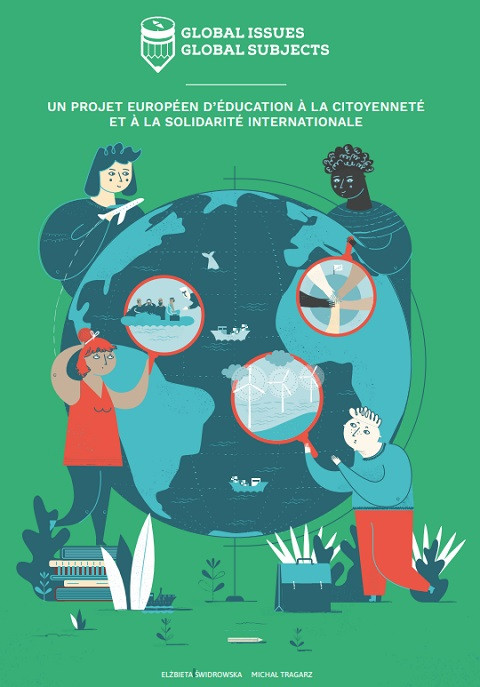 Un projet européen d’éducation à la citoyenneté et à la solidarité internationale 出版年份: 2020 作者: Elżbieta Swidrowska | Michał Tragarz 机构作者: Le Partenariat | Global Issues, Global Subjects (GIGS) | Union européenne Cette brochure nous permet de prendre conscience de l’importance d’une démarche citoyenne ayant pour but de favoriser une solidarité entre les territoires, les générations, les groupes sociaux et d’agir pour la construction d’un monde solidaire.
 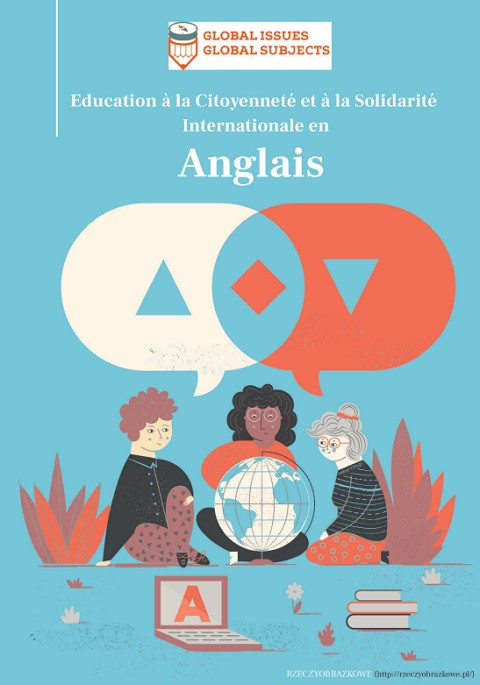 Education à la citoyenneté et à la solidarité internationale en anglais 出版年份: 2020 作者: Morgane Boscher | Michael Lionne | Bénédicte Feys 机构作者: Le Partenariat | Global Issues, Global Subjects (GIGS) | Union européenne Afin de promouvoir la démarche d'Education à la Citoyenneté et à la Solidarité Internationale et les Objectifs de Développement Durable dans l'enseignement secondaire, des groupes de travail d’enseignants ont conçu cette ressources pédagogique à destination de leurs collègues d’anglais.
  내 영웅은 너야! : 어린이들은 코로나19와 어떻게 싸울 수 있을까요? 出版年份: 2020 作者: 헬렌 패턱 机构作者: 한국심리학회 | 질병관리본부 코로나19로부터 사랑하는 사람들을 어떻게 보호할 수 있을까요? 사라와 친구들이 모험을 통해서 그 방법을 하나씩 배운다고 해요!가족과 친구를 코로나 바이러스로부터 안전하게 지키고, 이 시기를 씩씩하게 이겨내어 영웅이 되는 법까지 우리 함께 알아보러 가볼까요? ※ 본 영상은 한국심리학회와 질병관리본부가 코로나19 예방을 위해 IASC에서 만든 어린이 동화 「My hero is you」를 국내 상황에 맞게 번역 각색하였습니다.
 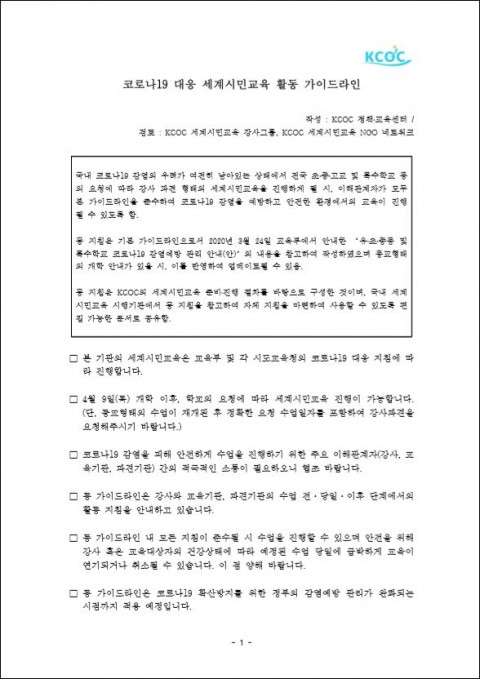 코로나19 대응 세계시민교육 활동 가이드라인 出版年份: 2020 机构作者: 국제개발협력민간협의회 (KCOC) 국내 코로나19 감염의 우려가 여전히 남아있는 상태에서 전국 초·중·고교 및 특수학교 등의 요청에 따라 강사 파견 형태의 세계시민교육을 재개하게 될 시 안전한 환경에서 세계시민교육을 진행할 수 있도록 작성한 세계시민교육 담당자와 강사들을 위한 활동지침서이다.
 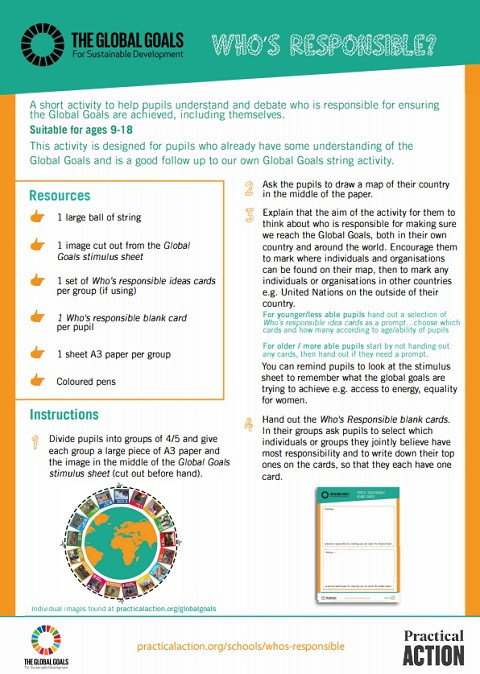 Who’s Responsible?: The Global Goals for Sustainable Development 出版年份: 2018 机构作者: Practical Action This 30 minute activity encourages pupils to consider who is responsible for ensuring we achieve the Global Goals (also known as the Sustainable Development Goals, SDGs). It is suitable for pupils 9-18 it stimulates discussion and debate, and help pupils recognize the role they themselves have to play.
 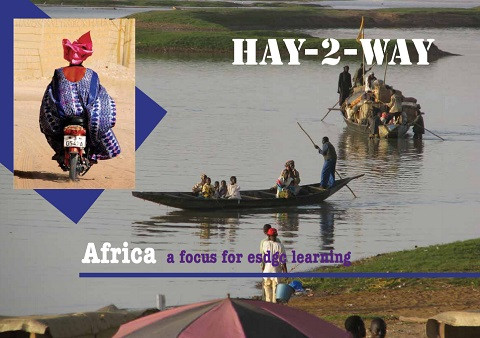 HAY-2-WAY: Africa; A Focus for ESDGC learning 出版年份: 2014 作者: Scott Sinclair 机构作者: Hay 2 Timbuktu This resource describes the education work that was part of the Two Towns One World project. It makes the case for an Africa focus as a significant theme in Education for Sustainable Development and global citizenship learning (ESDGC).The Two Towns One World project had two main strands: Locally in the Hay-on-Wye area with the Gwernfed cluster of schools and Nationally in Wales through a series of workshops and conferences.The scope of the work was enhanced through partnership with other initiatives on the themes ‘Unpacking Africa’ and ‘Debating Development’. A conference in Llandrindod Wells in November 2013 brought the strands of work together and provided the main narrative of this publication.
  All Aboard for Global Goals 出版年份: 2018 机构作者: Thomas & Friends | United Nations (UN) This material has details on how you can teach your child to be a good global citizen. It contains an Early Learning Skills Framework for each of the Global Goals, as well as suggestions for additional children’s literature to extend these lessons.
 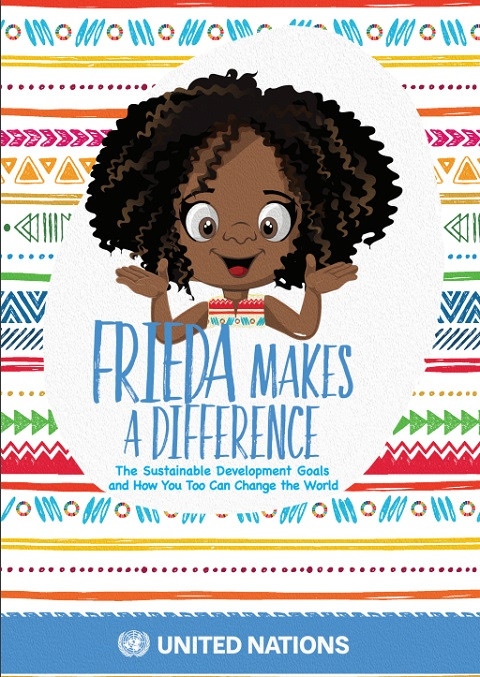 Frieda Makes a Difference: The Sustainable Development Goals and How You Too Can Change the World 出版年份: 2019 机构作者: United Nations (UN) This is the story about a young girl named Frieda who embarks on a wonderful adventure to bring about positive change in the world. One day, Ana from the United Nations visits Frieda’s school to teach her class about the Sustainable Development Goals—the world’s plan to reduce poverty and protect the planet by 2030. Frieda develops a global perspective and is encouraged to take action against the biggest issues of our day: from combating climate change and protecting endangered species to ending poverty and fighting inequality. But most important, Frieda learns that “everyone must work together to make the world much better for all”. With colourful illustrations, engaging text, and tips on how to change the world, children will discover what they can do to make a difference— in their lives and the lives around them.
 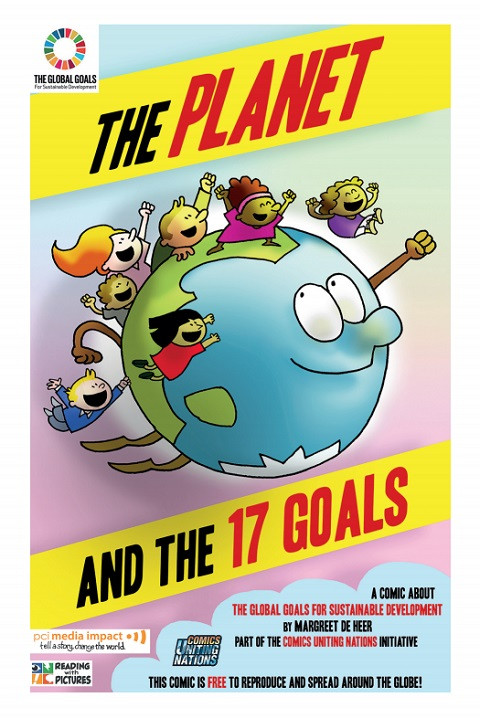 The Planet and the 17 Goals: A Comic About the Global Goals for Sustainable Development 出版年份: 2015 作者: Margreet de Heer 机构作者: Reading With Pictures | United Nations (UN) In September 2015, the 193 countries of The United Nations launched The Global Goals of Sustainable Development, a commitment to achieve 3 extraordinary things in the next 15 years: end extreme poverty, fight inequality & injustice and fix climate change. In order to get this done, 17 Goals have been set. This material aims to spread the word about the 17 Goals in the form of comics.