
相关资源
探索丰富的全球公民教育资源,深化理解,促进研究、倡导、教学与学习。
共找到1,471条结果
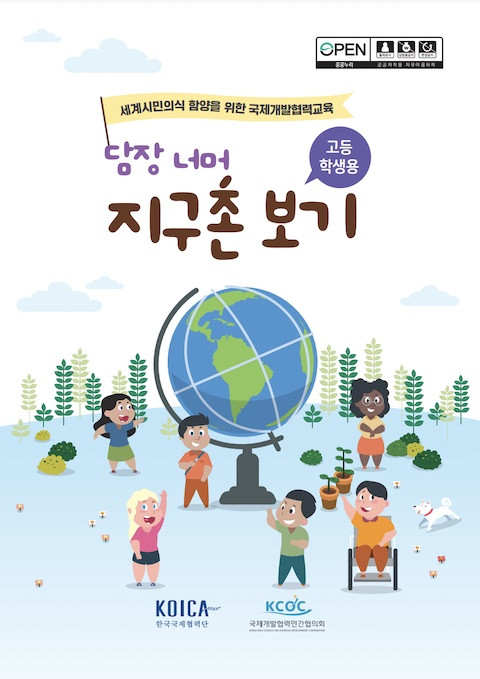 담장 너머 지구촌 보기: 세계시민의식 함양을 위한 국제개발협력교육; 고등학생용 出版年份: 2021 作者: 이태주 | 김다원 | 김현주 机构作者: 한국국제협력단 | 국제개발협력민간협의회 세계화, 문화다양성, 지속가능발전, 평화 등을 주제로 한 고등학생용 세계시민교육 교수학습자료로 다양한 모둠별 학습활동지를 담고 있다.본 자료는 한국국제협력단과 국제개발협력민간협의회에서 2021년 작성하여 공공누리 제4유형으로 개방한 ‘담장 너머 지구촌 보기: 세계시민의식 함양을 위한 국제개발협력교육; 고등학생용’ 을 이용하였으며 국제개발협력민간협의회 홈페이지(http://www.ngokcoc.or.kr)에서 다운로드 하실 수 있습니다.
  세계시민교육 시리즈 4편: DR 콩고 소녀의 행복 찾기 出版年份: 2021 机构作者: 한국국제협력단 KOICA는 SDGs, 긴급구호, 환경, 평화, 성평등, 난민에 대한 국민들의 이해를 높이고자, 6개의 세계시민교육 동영상을 만들어 유튜브로 공유하고자 합니다.4. DR 콩고 소녀의 행복 찾기
 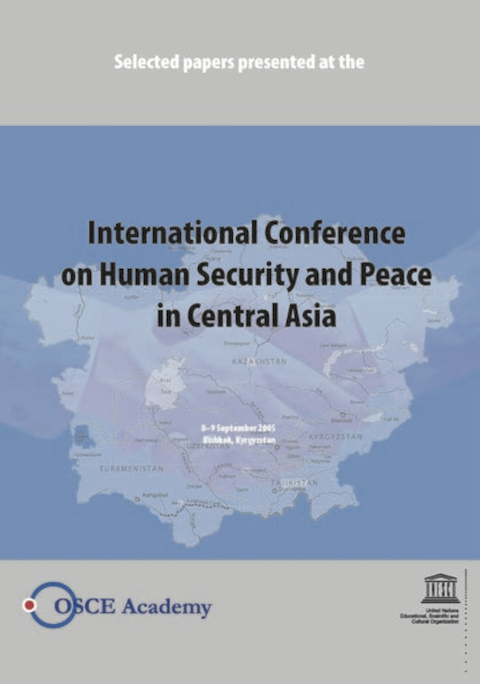 Международной конференции Гуманитарная безопасность и мир в Центральной Азии 出版年份: 2007 机构作者: Организация Объединенных Наций по вопросам образования, науки и культуры (UNESCO) | Академия ОБСЕ в Бишкеке В перспективе противостояния угрозам и поощрения развития в Центральной Азии, на основе сотрудничества ЮНЕСКО и Академией ОБСЕ была организована международная конференция «Гуманитарная безопасность и мир в Центральной Азии». Эти две организации целенаправленно занимаются вопросами укрепления международной безопасности и взаимопонимания путем выявления и развития разнообразных гуманитарных и культурных ценностей мира и поощрения диалога на основе признания и уважения разнообразия и соблюдения прав человека.
  وضع تصورات جديدة لمستقبلنا معاً 出版年份: 2021 机构作者: International Commission on the Futures of Education | UNESCO تتسّم أحوال العالم في الوقت الراهن أن الظروف باتت ناضجة لإحداث تغيير. وقد بدأت التشققات في النموذج الإنمائي القائم على استغلال كوكب الأرض مفرطًا للخطر، وظهرت أوجه هشاشته من خلال الأزمات المتراكبة والمترابطة عالميًا مثل أزمة المناخ التي يفاقم من حدتها الفقر وعدم المساواة والإقصاء. ولا بد لنا من إحكام التصرف لمواجهة التحديات التي تهدّد السلم وتؤثّر في الحقوق والفرص، بما في ذلك الجائحة، والحروب، والعنف، وتفاقم أوجه اللامساواة، والتمييز، وانتشار خطاب الكراهية.ويمثّل التعليم اليوم مفترق طرق حاسمًا، فإننا نواجه خيارًا يتمثّل إما في مواصلة السير على النهج نفسه الذي سلكناه حتى الآن، أو تغيير المسار جذريًا، ولا يمكن لهذا الخيار إلا أن يكون جماعيًا، فلنتخيّل مستقبلًا للتعليم يعزّز السلام، والعدالة الاجتماعية، والاهتمام بالطبيعة، ويعزز القدرة على الإنعكاس، والعمل، والتغيير المشترك.ويجب أن يتجسّد هذا المستقبل في صورة مدرسة منفتحة ومتجددة وتشاركية تتيح الوقت والمجال لتعلّم القيم، والمعارف، والمهارات اللازمة للتعاون والمشاركة في إحداث التغيير.وتحتاج عملية التعلّم إلى أن تتمحور حول الطفولة، والشباب، وحياتهم، وأن ترتكز على الثقة، والاحترام المتبادل، والتعاون، ولا يمكن فصل مستقبل التعليم عن مستقبل العمل، والتكنولوجيا، والديموقراطية، وكوكب الأرض، ويجب أن يساعدنا التعليم في فهم عالمنا المتغيّر وفي التصرف بشأن ما نواجهه من تحدّيات على نحو تعاوني.إن هذا التقرير ثمرة مشاورات عالمية جديدة بين الجهات المعنية بالتعليم جميعها، ويقترح مجموعة من التوصيات الأساسية من أجل إصلاح التعليم وتحويله، وهو يدعونا إلى إعتماد مقاربة جديدة في التفكير والعمل - مقاربة تتجاوز الحلول المجزّأة، ومقاربة تبني على التطلعات الجماعية وعلى التضامن، وتسترشد بالإنسانية وبالحقوق، وتتخذ شكل التزام عالمي مشترك.وينبغي لنا أن نعتمد الآن نهجًا جديدًا إزاء التعليم، نهجًا يعكس واقعنا الحالي ويستجيب لما نتطلّع إليه من آمال، ويتطلّب هذا النهج الجديد بذل جهود جماعية متجددة من جانب الحكومات، والمجتمع المدني، والمنظمات الإقليمية، والمؤسسات، والأطراف الفاعلة في الميدان التربوي، والمعلمين، والطلاب، والشباب، والأطفال.وليس ثمّة توصية واحدة أو مشروع واحد يُحقق التغيير في جميع أنحاء العالم، وإنما لا بدّ من تحديد مجموعة واسعة من التدابير على الصعيدين المحلي والعالمي.ويأمل هذا التقرير أن يشكّل مرجعًا مفيدًا يوفّر مبادئ توجيهية من منظور إنساني بشأن السياسات، والتخطيط، والممارسات التعليمية، ويساعد على بلورة رؤية جديدة للتعليم ومستقبلنا المشترك، فلكي نتمكّن من إعادة تصوّر التعليم، لا بدّ من مبادرة واسعة النطاق تتجاوز قطاع التعليم، ولا بدّ من عمل جماعي في سبيل الصالح العام.ولا خطة أفضل طويلة الأجل من التعليم لمساعدتنا في بناء عالم عادل، وسلمي، ومستدام. 一起重新构想我们的未来:为教育打造新的社会契约 出版年份: 2021 机构作者: International Commission on the Futures of Education | 联合国教科文组织 (UNESCO) 我们人类和地球正遭受着威胁。新冠肺炎疫情只不过证明了我 们的脆弱性和相互关联性。我们现在需要采取紧急行动,一起改变 方向,重新构想我们的未来。“教育的未来”国际委员会的这份报 告认可教育可以带来深刻变革。我们目前面临着双重挑战,即兑现 尚未实现的承诺,确保每位儿童、青少年和成年人都有权接受优质 教育,以及把教育当作我们通往可持续共同未来的路径, 充分实现其变革潜力。为了做到这一点,我们需要一 份能够在改变未来的同时, 修复现有不公正的新的教育社会契约。这一新的社会契约必须以人权为依据, 以 非歧视性、 社会正义、 尊重生命、 人的尊严和 文化多样性等原则为基础。 它必须包含关怀、 互惠和团结的伦理。 它必须加强教育作为公共事 业、 共同利益的地位。这份报告建立在历时两年、约100万人参与的全球协商过程的基 础之上,它邀请世界各地政府、机构、组织和公民为教育订立一份 新的社会契约,帮助我们为所有人创造和平、公正和可持续的未来。这份报告所提出的愿景、原则和建议只是一个起点。对其进行 解读和本土化实践,是我们需要共同努力完成的事业。目前的工作 中已经存在许多亮点,本报告试图捕捉这些亮点,同时也以其为基 础进行构建。本报告既不是一部指南,也不是一幅蓝图,而是一场 至关重要的对话的起点。
  [ملخص] وضع تصورات جديدة لمستقبلنا معاً: عقد اجتماعي جديد للتربية والتعليم 出版年份: 2021 机构作者: International Commission on the Futures of Education | منظمة الأمم المتحدة للتربية والعلم والثقافة (UNESCO) إن إنسان ّيتُنا وكوكبُنا الأرض في خطر. مما يستدعي حاجة ما ّسة إلى وضع إجراءات عاجلة، لتُتخذ معاً، من أجل تغيير المسار وإعادة تخيل مستقبلنا. وأضحى للتعليم، الذي لطالما أُ ِقر بدوره كقو ًة ُّ ّفاعل ًة لإحداث تغيير إيجابي، مه ّم ًة جديد ًة وعاجلة وها ّمة يتع ّين عليه النهوض بها. وبنا ًء على عملية تشاور عالمية شارك فيها حوالي مليون شخص، يدعو هذا التقرير الصادر عن اللجنة الدولية المعنية بمستقبل التربية والتعليم الحكومات والمؤسسات والمنظمات والمواطنين في جميع أنحاء العالم إلى ً صياغة عقد اجتماعي جديد للتعليم يساعدنا على بناء مستقبل ي ّتسم بال ِّسلم والعدالة والاستدامة معا ومن أجل الجميع. يلقي التقرير نظر ًة متعمق ًة على التكنولوجيات الرقمية، وتغير المناخ، والتدهور الديمقراطي، ُ ّ ُّ والاستقطاب المجتمعي، وحالة عدم اليقين التي تكتنف مستقبل فرص العمل. ولا يتوَّ ّخى التقرير مج ّرد فتح باب الحوار ّحول اًلتعليم للجميع وتحفيز الأفكار ذات الصلة، وإنما يح ُّث كل واحد م ّنا على العمل. ويرى التقرير أنه، أولا وقبل كل شيء، يمكننا من خلال الملايين من الأعمال الفردية والجماعية التي ت ّتسمّبالشجاعة والقيادة والمقاومة والإبداع والرعاية تغيير المسار وإحداث تح ّول جذري في التعليم يمكننا من بناء مستقبل عادل و ُمنصف ومستدام. [Summary] Reimagining Our Futures Together: A New Social Contract for Education 出版年份: 2021 机构作者: International Commission on the Futures of Education | UNESCO Our humanity and planet Earth are under threat. Urgent action, taken together, is needed to change course and reimagine our futures. Education, long acknowledged as a powerful force for positive change, has new, urgent and important work to do. Informed by a global consultation process engaging about one million people, this report of the International Commission on the Futures of Education invites governments, institutions, organizations, and citizens around the world to forge a new social contract for education that will help us build peaceful, just, and sustainable futures together and for all.The report features in-depth looks at digital technologies, climate change, democratic slippage and societal polarization and the uncertain future of work. It aims not only to open the conversation about education to everyone and provoke thought, but to spur each of us on to action. It argues, above all, that it is through millions of individual and collective acts of courage, leadership, resistance, creativity and care that we will change course and transform education to build just, equitable and sustainable futures. [Resumen] Reimaginar juntos nuestros futuros: Un nuevo contrato social para la educación 出版年份: 2021 机构作者: International Commission on the Futures of Education | UNESCO La humanidad y el planeta Tierra se encuentran en peligro. Tenemos que adoptar medidas consensuadas de forma urgente para cambiar de rumbo y replantearnos nuestros futuros. En el plano educativo, que desde antaño se reconoce como un importante motor que propicia cambios positivos, se nos plantean desafíos nuevos, urgentes e importantes. Este informe de la Comisión Internacional sobre Los futuros de la educación, que se ha nutrido de un proceso mundial de consultas en el que han participado aproximadamente 1 millón de personas, insta a los gobiernos, las instituciones, las organizaciones y los ciudadanos de todo el mundo a preparar un nuevo contrato social en materia educativa que nos permita colaborar con el objetivo de forjar futuros pacíficos, justos y sostenibles para todas las personas. En el informe se abordan de forma detallada las tecnologías digitales, el cambio climático, el retroceso democrático y la polarización social, y el incierto futuro de la esfera laboral. Mediante este documento, no solo se pretende contribuir a que todas las personas participen en la conversación sobre la educación y promover la reflexión, sino también instar a todos los individuos a actuar. Según la tesis fundamental del informe, a través de millones de actos individuales y colectivos caracterizados por su valentía, liderazgo, resistencia, creatividad y atención, cambiaremos de rumbo y transformaremos el ámbito educativo a fin de forjar futuros justos, equitativos y sostenibles. 함께 그려보는 우리의 미래 - 교육을 위한 새로운 사회계약 出版年份: 2021 机构作者: International Commission on the Futures of Education | 유네스코 우리의 인류와 지구는 위협을 받고 있습니다. 전염병은 우리의 연약함과 상호 연결성을 증명하는 역할을 했을 뿐입니다. 이제 방향을 바꾸고 우리의 미래를 재창조하기 위해 함께 취하는 긴급 조치가 필요합니다. 국제미래교육위원회는 심오한 변화를 가져오는 교육의 힘을 인정합니다. 우리는 모든 어린이, 청소년 및 성인을 위한 양질의 교육에 대한 권리를 보장하고 지속 가능한 집합적 미래를 위한 경로로서 교육의 변혁적 잠재력을 완전히 실현하겠다는 약속을 이행해야 하는 이중 과제에 직면해 있습니다. 이를 위해서는 불의를 바로잡으면서 미래를 변화시킬 수 있는 교육을 위한 새로운 사회계약이 필요합니다.이 새로운 사회 계약은 인권에 기초해야 하고 비차별, 사회 정의, 생명 존중, 인간 존엄성 및 문화적 다양성의 원칙에 기초해야 합니다. 그것은 배려, 호혜주의, 연대의 윤리를 포함해야 합니다. 공공의 노력과 공동선으로서의 교육을 강화해야 합니다.작성 기간이 2년이고 약 100만 명이 참여하는 글로벌 협의 프로세스를 기반으로한 이 보고서는 우리가 모두를 위해 평화롭고 정의로우며 지속 가능한 미래를 건설하는 데 도움이 될 교육을 위한 새로운 사회 계약을 맺도록 전 세계의 정부, 기관, 조직 및 시민을 초대합니다.여기에 제시된 비전, 원칙 및 제안은 단지 출발점일 뿐입니다. 그것들을 번역하고 맥락화하는 것은 공동의 노력입니다. 많은 밝은 점이 이미 존재합니다. 이 보고서는 이를 캡처하고 구축하려고 시도합니다. 매뉴얼도 청사진도 아닌 중요한 대화의 시작입니다.
  5th UNESCO Forum on Transformative Education for Sustainable Development, Global Citizenship, Health and Well-being (Strand 3) 出版年份: 2021 作者: Carmel Cefai | Dy Samsideth | Mieke van Ingelghem | Kiichi Oyasu 机构作者: UNESCO | El Centro Asia Pacífico de Educación para el Entendimiento Internacional (APCEIU) Strand 3– What does progress in transformative education look like – the crucial role of teachers Plenary session 3Based on the findings of two global studies conducted by UNESCO and its partners, this session discussed what can be done to support teachers to feel more confident in their role and to effectively facilitate transformative education. Moderators: Ms Antonia Wulff, Director of Policy, Advocacy and Research, Education International, Mr Christophe Cornu, Senior Project Officer, Section of Education for Health and Well-being, UNESCOMr William Gaudelli, Dean, College of Education & Vice Provost for innovation in education, Lehigh University, USAMr Carmel Cefai, Professor, Department of Psychology, University of Malta, MaltaPanelists:Mr Anil Ramdewor, Ministry of Education, MauritiusMr Souphap Khounvixay, Advisor, Cabinet Office of the Minister for Education and Sports, Lao People's Democratic RepublicMs Miri Yemini, Professor, Department of Educational Policy and Administration, the Jaime and Joan Constantiner School of Education, Tel Aviv University, IsraelMr Bert Tuga, President, Philippines Normal University, PhilippinesMs Anh Duong Phuong, Teacher and youth activist for gender equality and girls’ rights, Viet NamMr Renato Jiménez Cabrera, teacher trainer, the Benemérita Escuela Nacional de Maestros, Mexico Concurrent sessions 3The session addressed key action areas in view of advancing the role and building the capacities of teachers to deliver ESD, GCED and education for health and well-being. Session 3.1 – Teacher preparednessModerator: Dr Jim Taylor, Research Associate, University of KwaZulu-Natal, South AfricaSpeakers:Dr Dy Samsideth, Deputy Director General for Education, Ministry of Education, Youth and Sport, CambodiaDr Mieke van Ingelghem, Lecturer, UC Leuven Limburg Teacher Education (UNESCO Associated Schools Network member), Belgium Session 3.2 – Teaching and learning resources and materialsModerator: Ms Yumiko Yokozeki, Director, UNESCO International Institute for Capacity Building in Africa (IICBA)Speakers:Mr Dennis Sinyolo, Director, Education International’s African Regional OfficeMs Mary Sichangi, Head of Department, Partnerships & Linkages, Centre for Mathematics, Science and Technology Education in Africa (CEMASTEA)Mr Temechegn Engida, Program Officer, UNESCO International Institute for Capacity Building in Africa (IICBA) Session 3.3 – School and community supportModerator: Mr Carlos Vargas, Chief of Section of Teacher Development, UNESCOMr Carlos Enrique Rodoriguez Rivas, Head, National Teacher Training Institute, Ministry of Education, El SalvadorDr James Williams, Professor, School of Education and Human Development at George Washington University, USAMr Kiichi Oyasu, Director, Education Cooperation Department of Asia-Pacific Cultural Centre for UNESCO (ACCU), Japan Links to Strand 1 / Strand 2 & Special Session / Strand 4