
相关资源
探索丰富的全球公民教育资源,深化理解,促进研究、倡导、教学与学习。
共找到2,199条结果
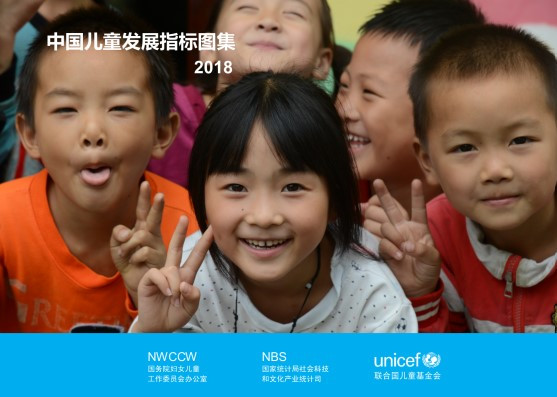 中国儿童发展指标图集 2018 出版年份: 2018 机构作者: United Nations Children's Fund (UNICEF) | National Bureau of Statistics (NBS). Department of Social, Science, Technology and Cultural Statistics | National Working Committee on Children and Women (NWCCW) 本图集汇集了有关中国儿童生存、发展、保护状况的主要指标和最新权威数据信息,以可视化图表的形式,集中展现了中国儿童发展取得的成就,客观反映了中国实现儿童权利所面临的问题和挑战。
 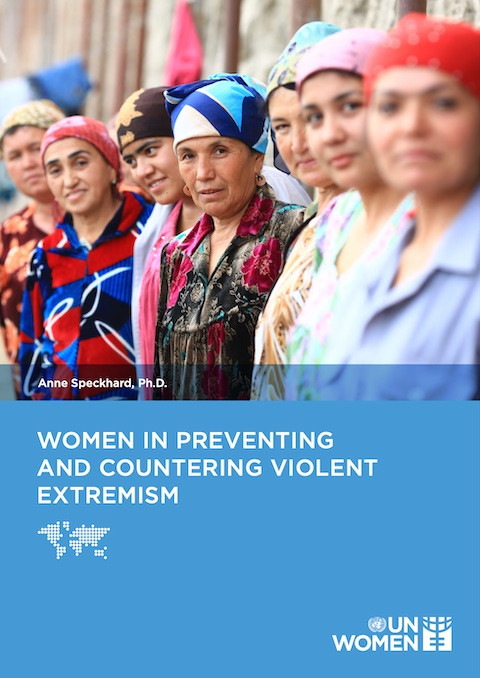 A Training Manual: Women in Preventing and Countering Violent Extremism 出版年份: 2021 作者: Anne Speckhard 机构作者: United Nations Entity for Gender Equality and the Empowerment of Women (UN Women) This publication serves as guidance for actors involved in the prevention and countering of violent extremism (P/CVE) in Europe and Central Asia including state officials, members of non-governmental organizations, community activists, staff of UN agencies, international and regional organizations to help them understand violent extremism’s gender dimensions. It is designed as a training guide, for staff and trainers who are working with different counterparts engaged in P/CVE, and want to help create more effective and gender-sensitive responses. Participants may for example include civil society activists, women leaders, teachers, journalists, lawyers, social workers, religious authorities, youth, police, local and national governmental officials. The five modules in this guide include learning objectives, explanatory text, warm-up activities, practical exercises, references for further reading and empirical experiences from the region of Europe and Central Asia. Modules may be used all together or one-by-one. The ideal timeframe for delivering the training using all the modules is at least two and a half days (half day per unit). The training is suitable for groups of five to twenty-five people. When organizing the workshop consider gender, age and diversity factors to have the richest learning experience possible. Participants should feel that they are in a safe space where they can openly share their ideas and experiences. Needed materials are indicated for the different exercises. As the guide is aimed at increasing the awareness of persons with different levels of sensitivity and knowledge on violent extremism and gender equality, across Europe and Central Asia, it is an introduction which readers should complement with other resources for deeper and more technical insights. The training should also be tailored to the participants’ interests and needs and to the local context.
 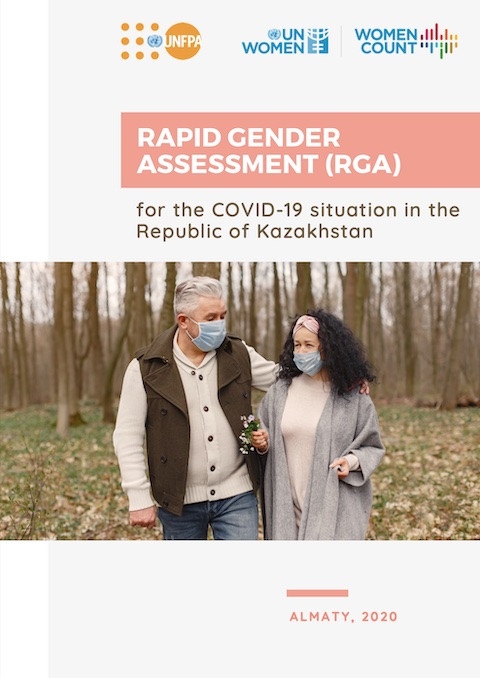 Rapid Gender Assessment: For the COVID-19 Situation in the Republic of Kazakhstan 出版年份: 2020 机构作者: The Center for Social and Political Studies "Strategy" | United Nations Population Fund (UNFPA) | United Nations Entity for Gender Equality and the Empowerment of Women (UN Women) The Rapid Gender Assessment on COVID-19 in the Republic of Kazakhstan was prepared by the CFSPI "Strategy" for UN Women and the UN Population Fund. It provides important information about gender roles and responsibilities, opportunities and vulnerabilities that have emerged in society in light of the COVID-19 outbreak. Быстрая гендерная оценка (бго): В отношении COVID-19 в республике Казахстан 出版年份: 2020 作者: The Center for Social and Political Studies "Strategy" 机构作者: The Center for Social and Political Studies "Strategy" | United Nations Population Fund (UNFPA) | United Nations Entity for Gender Equality and the Empowerment of Women (UN Women) Быстрая Гендерная Оценка в отношении COVID-19 в Республике Казахстан подготовлена ОФ ЦСПИ «Стратегия» для Структуры «ООН- женщины» и Фонда ООН в области народонаселения. Он предоставляет важную информацию о гендерных ролях и обязанностях, возможностях и уязвимостях, которые появились в обществе в свете вспышки COVID-19.
 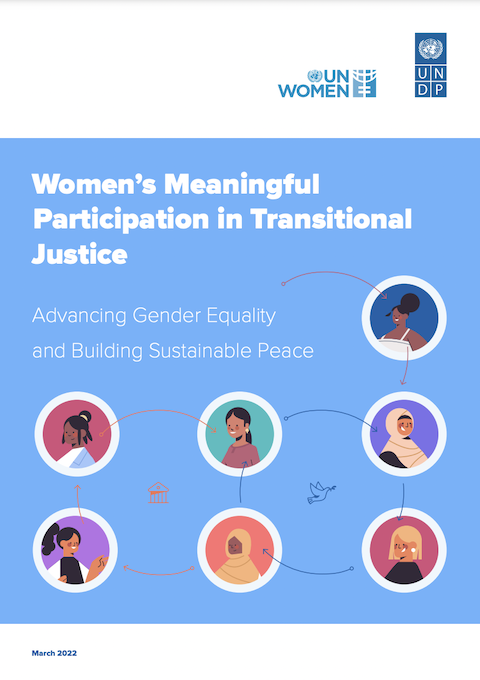 Women’s Meaningful Participation in Transitional Justice: Advancing Gender Equality and Building Sustainable Peace 出版年份: 2022 作者: Lorena Mellado | Emily Kenney | Hariwa Adil 机构作者: United Nations Entity for Gender Equality and the Empowerment of Women (UN Women) | United Nations Development Programme (UNDP) This detailed research paper explores what women’s meaningful participation in transitional justice means and “looks like” in policy and practice. It focuses specifically on women and addressing the unique barriers to women’s meaningful participation in transitional justice processes as a result of gender-based discrimination.This publication reviews the current policy framework and assertions for women’s meaningful participation in transitional justice and highlights critical gaps between policy and practice. The research paper suggests a definition for women’s meaningful participation in transitional justice, as well as typologies of women stakeholders and roles that women play within transitional justice.
 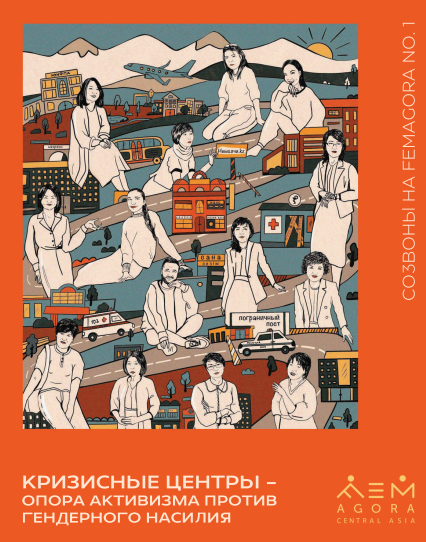 Crisis Centers - A Pillar of Activism Against Gender-Based Violence 出版年份: 2021 作者: Bermet Baryktabasova | Gaziya Moldakulova | Dina Smailova | Elena Tkacheva | Zulfia Baysakova | Margarita Uskembaeva | Nazgul Turdubekova | Oksana Ibragimova | Raushan Khudayishukurova | Sanzhar Kurmanov | Tatyana Musagalieva | Ukei Murataliyeva | Khurshida Ibragimova | Shakhnoza Khasanova 机构作者: United Nations Entity for Gender Equality and the Empowerment of Women (UN Women) The publication is based on the speeches of 14 experts from Kazakhstan, Kyrgyzstan, and Uzbekistan, who shared their approaches to responding to domestic violence and the experience of crisis centers and gave recommendations on facilitating the work of crisis centers and other services. Кризисные центры - опора активизма против гендерного насилия 出版年份: 2021 作者: Bermet Baryktabasova | Gaziya Moldakulova | Dina Smailova | Elena Tkacheva | Zulfia Baysakova | Margarita Uskembaeva | Nazgul Turdubekova | Oksana Ibragimova | Raushan Khudayishukurova | Sanzhar Kurmanov | Tatyana Musagalieva | Ukei Murataliyeva | Khurshida Ibragimova | Shakhnoza Khasanova 机构作者: United Nations Entity for Gender Equality and the Empowerment of Women (UN Women) Публикация составлена на основе выступлений 14 экспертов из Казахстана, Кыргызстана и Узбекистана, которые поделились своими подходами в реагировании на бытовое насилие и опытом кризисных центров, дали рекомендации по содействию работе кризисных центров и других услуг.
 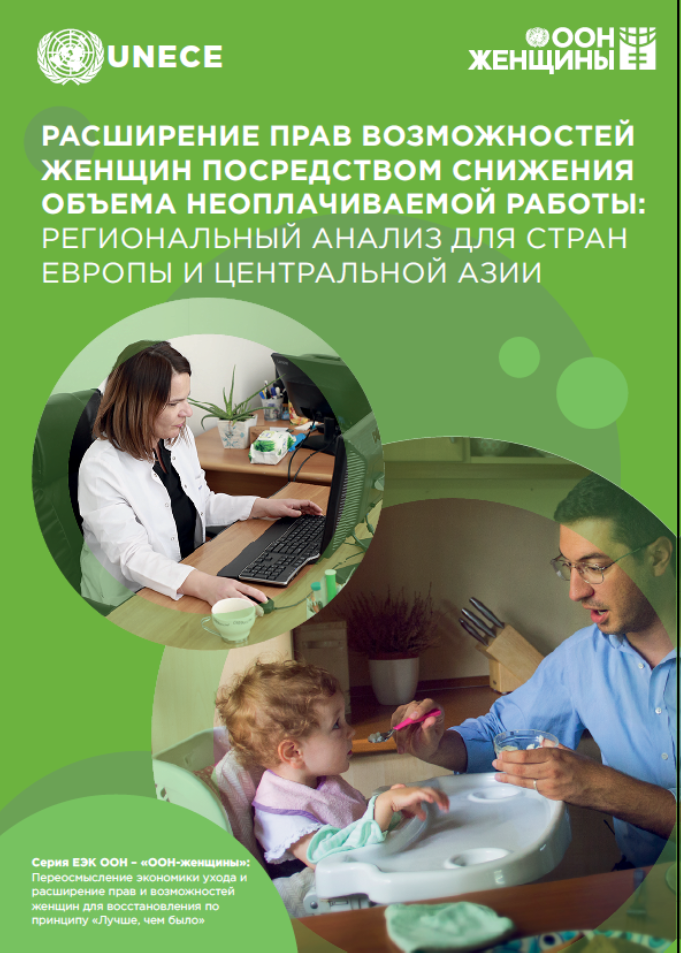 Empowering Women Through Reducing Unpaid Work: A Regional Analysis of Europe and Central Asia 出版年份: 2021 作者: Sara Cantillon | Nina Teasdale 机构作者: United Nations Economic Commission for Europe (UNECE) | United Nations Entity for Gender Equality and the Empowerment of Women (UN Women) This report is part of a series of information products designed to strengthen social protection in response to the pandemic. It focuses on rethinking the economics of nursing and women's empowerment. This report presents a thematic regional analysis of unpaid work in the countries of Eastern Europe and Central Asia and the empowerment of women due to the reduction of women's responsibility for such work. Расширение прав и возможностей женщин посредством снижения объема неоплачиваемой работы: Региональный анализ для стран Европы и Центральной Азии 出版年份: 2021 作者: Sara Cantillon | Nina Teasdale 机构作者: United Nations Economic Commission for Europe (UNECE) | United Nations Entity for Gender Equality and the Empowerment of Women (UN Women) Данный отчет является частью серии информационных продуктов, разработанных в целях укрепления социальной защиты в ответ на пандемию . Он фокусируется на вопросах переосмысления экономики ухода и расширения прав и возможностей женщин. В настоящем отчете представлен тематический региональный анализ неоплачиваемого труда в странах Восточной Европы и Центральной Азии и расширения прав и возможностей женщин, обусловленного уменьшением женской ответственности за выполнение такой работы.
 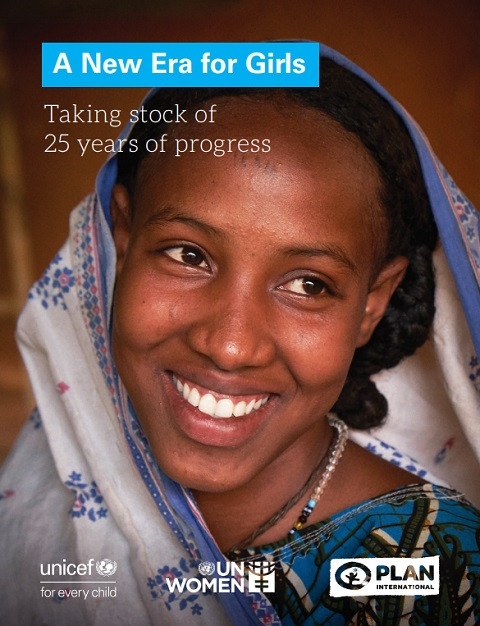 A New Era for Girls: Taking Stock on 25 Years of Progress for Girls 出版年份: 2020 机构作者: United Nations Children's Fund (UNICEF) | United Nations Entity for Gender Equality and the Empowerment of Women (UN Women) | Plan International The analysis presented in this report demonstrates that while girls' lives are better today than they were 25 years ago, the gains are uneven across all regions. The report calls on global, national and regional stakeholders to expand opportunities for girls and young women to be the changemakers and designers of the solutions to their challenges and opportunities; invest in the skills development of adolescent girls so they can compete in today's labour market; improve girls' health and nutrition; and end violence in all its forms against them.