
相关资源
探索丰富的全球公民教育资源,深化理解,促进研究、倡导、教学与学习。
共找到2,790条结果
 الأمة .. و اللغة الأم 出版年份: 2016 作者: Odeh Khalil Abu Odeh يتحدث الكاتب بطريقة مختصرة عن أهمية اللغة الأم للأمم، ووجوب المحافظة عليها. ويشير للغة العربية كلغة يجب الاهتمام بها لما لها من دور في حفظ الثقافة. The Nation .. and the Mother Tongue 出版年份: 2016 作者: Odeh Khalil Abu Odeh The author talks in a brief way about the importance of the mother tongue of nations, and the need to preserve it. And he refers to the Arabic language as a language that must be taken care of, given its role in preserving culture.
  الإسلام والتنوع وبناء السلام 出版年份: 2016 作者: Ramy Atta | Ahmed Naji 机构作者: Roya TV حوار شيق بين المتحدثين حول التنوع ومدى تعاطي الإسلام مع هذا المصطلح. يناقش المتحدثون ثراء الدين الاسلامي في تأصيل التنوع والتعدد، وكيف ذلك يقود للسلام.
 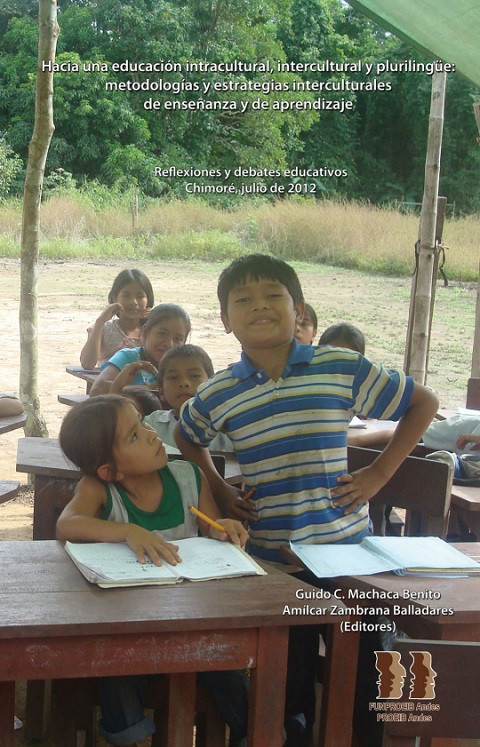 Towards an Intracultural, Intercultural and Multilingual Education: Intercultural Teaching and Learning Methodologies and Strategies 出版年份: 2013 作者: Guido C. Machaca Benito | Amílcar Zambrana Balladares 机构作者: FUNPROEIB Andes This document presents the memories of the seminar - workshop "Towards an intracultural, intercultural and multilingual education: intercultural teaching and learning methodologies and strategies" held in Chimoré, Cochabamba in July 2012. Hacia una educación intracultural, intercultural y plurilingüe: metodologías y estrategias interculturales de enseñanza y de aprendizaje 出版年份: 2013 作者: Guido C. Machaca Benito | Amílcar Zambrana Balladares 机构作者: FUNPROEIB Andes Este documento presenta las memorias del seminario - taller con el "Hacia una educación intracultural, intercultural y plurilingüe: metodologías y estrategias interculturales de enseñanza y de aprendizaje" realizado en Chimoré, Cochabamba en julio de 2012.
  Indicators for evaluating municipal policies aimed at fighting racism and discrimination 出版年份: 2005 作者: Jean Claude Icart | Micheline Labelle | Rachad Antonius 机构作者: Centre de recherche sur l'immigration, l'ethnicité et la citoyenneté (Canada). Observatoire international sur le racisme et les discriminations Ethnocultural diversity increasingly constitutes an important characteristic of major cities around the world. As the primary centres for national, ethnic and cultural intermixing, cities are becoming laboratories for new ways of “living together” (UNESCO, 2004). However, when this diversity is accompanied by inequalities, racism and discrimination, it can increase the social divide. Therefore, in order to benefit from the true advantages of the ethnocultural diversity that makes up the fabric of contemporary societies, it has become increasingly necessary to employ methods to correct social injustices, and to ensure the equality and the full exercise of citizens’ rights. Accordingly, the last few years have seen true efforts to conceptualize interventions by cities to manage ethnocultural diversity. These efforts rely on ideologies controlled by the state and on the values of equality, social justice, and respect for pluralism that are endorsed by different international organizations such as the UN and UNESCO, or by national organizations such as human rights commissions.To promote and reinforce municipal anti-discriminatory policies, UNESCO supported the launching of the International Coalition of Cities Against Racism1. The initial framework for this Coalition was the proposal of the Ten-Point Action Plan, which was adopted in December 2004 in Nuremburg.The present research report relating to the development of a series of indicators for evaluating municipal policies to fight racism and discrimination should be situated in this context. It was carried out with the goal of assisting cities that want to adopt public policies of diversity management and to fight racism and discrimination, and to evaluate the impact of such policies. The goal is to equip cities with tools that make it possible to evaluate, in quantitative and/or qualitative terms, whether their actions produce results that correspond to the major goals of adopted policies. Indicateurs pour l'évaluation des politiques municipales visant à contrer le racisme et la discrimination 出版年份: 2005 作者: Jean Claude Icart | Micheline Labelle | Rachad Antonius 机构作者: Centre de recherche sur l'immigration, l'ethnicité et la citoyenneté (Canada). Observatoire international sur le racisme et les discriminations Ethnocultural diversity increasingly constitutes an important characteristic of major cities around the world. As the primary centres for national, ethnic and cultural intermixing, cities are becoming laboratories for new ways of “living together” (UNESCO, 2004). However, when this diversity is accompanied by inequalities, racism and discrimination, it can increase the social divide. Therefore, in order to benefit from the true advantages of the ethnocultural diversity that makes up the fabric of contemporary societies, it has become increasingly necessary to employ methods to correct social injustices, and to ensure the equality and the full exercise of citizens’ rights. Accordingly, the last few years have seen true efforts to conceptualize interventions by cities to manage ethnocultural diversity. These efforts rely on ideologies controlled by the state and on the values of equality, social justice, and respect for pluralism that are endorsed by different international organizations such as the UN and UNESCO, or by national organizations such as human rights commissions.To promote and reinforce municipal anti-discriminatory policies, UNESCO supported the launching of the International Coalition of Cities Against Racism1. The initial framework for this Coalition was the proposal of the Ten-Point Action Plan, which was adopted in December 2004 in Nuremburg.The present research report relating to the development of a series of indicators for evaluating municipal policies to fight racism and discrimination should be situated in this context. It was carried out with the goal of assisting cities that want to adopt public policies of diversity management and to fight racism and discrimination, and to evaluate the impact of such policies. The goal is to equip cities with tools that make it possible to evaluate, in quantitative and/or qualitative terms, whether their actions produce results that correspond to the major goals of adopted policies.
 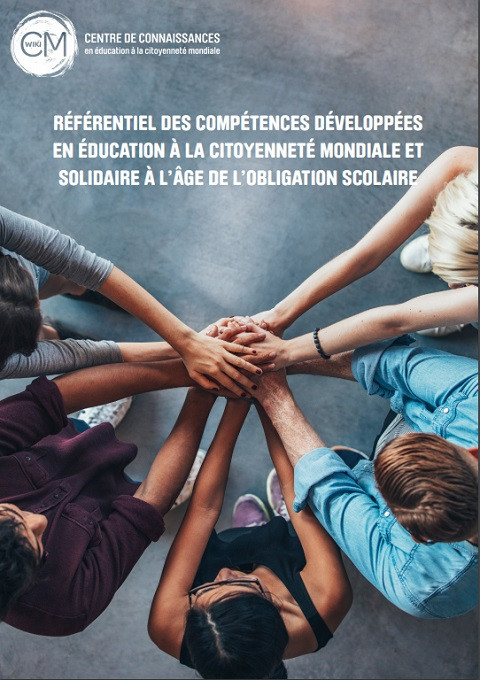 Référentiel des compétences développées en éducation à la citoyenneté mondiale et solidaire à l’âge de l’obligation scolaire 出版年份: 2017 机构作者: Annoncer la Couleur (ALC) | La coopération belge au développement | Centre de Connaissances en Éducation à la Citoyenneté Mondiale (WikiCM) Ce référentiel de compétences ECM(Éducation à la citoyenneté mondiale) a été élaboré par WikiCM, le centre de connaissances en éducation à la citoyenneté mondiale coordonné par Annoncer la Couleur a réuni des professionnels de l’enseignement (administration, réseaux, inspection) et de l’éducation à la citoyenneté mondiale (ONG, ALC). Il présente dans un premier temps les repères sur les stades de développement de l’enfant et, dans un deuxième temps, les 7 compétences de l’ECM en milieu scolaire.
  Ouverture sur le monde 出版年份: 2019 机构作者: Annoncer la Couleur (ALC) L’ECM est une éducation holistique qui ouvre les yeux des individus aux réalités du monde et les incite à œuvrer pour davantage de justice d’équité et de droits pour toutes et tous.Les activités proposées dans ce dossier s’adressent aux élèves du type 1 ayant un retard mental léger et éprouvant des difficultés scolaires mais étant aptes à s’intégrer de façon autonome dans la société à l’âge adulte. Les activités proposées prennent en compte les difficultés potentielles inhérentes à ce type d’élèves à besoins spécifiques comme les difficultés de concentration, un manque d’autonomie, etc.
  Les autres, mon corps et moi 出版年份: 2020 作者: Aline Bosuma | Audrey Boucksom 机构作者: Belgïk Mojaïk Le dossier pédagogique "Les autre, mon corps et moi" a pour objectif de mettre en évidence les processus des stéréotypes et de la discrimination, d'y réfléchir et de permettre d’amener du changement dans les comportements. Il est composé de 2 activités introductives et généralistes ainsi que de 5 activités thématiques. Les enseignants peuvent utiliser celles qu'ils·elles souhaitent et dans n'importe quel ordre.