
相关资源
探索丰富的全球公民教育资源,深化理解,促进研究、倡导、教学与学习。
共找到3,790条结果
 Global Education in Estonia: The European Global Education Peer Review Process; National Report on Global Education in Estonia 出版年份: 2019 机构作者: Global Education Network Europe (GENE) | European Union (EU) This National Report contains the findings from the Peer Review of Global Education in Estonia that took place during 2019. It provides an overview of Global Education in the country and includes observations and recommendations intended to assist Estonian Global Education actors to further improve and increase provision in the country.
  The State of Global Education in Europe 2019 出版年份: 2020 机构作者: Global Education Network Europe (GENE) | European Union (EU) This fourth edition of the State of Global Education in Europe has been developed to provide an updated account of current key issues, policy priorities, funding trends and activities inGlobal Education in Europe, among the Ministries and Agencies that participate in GENE. This report explores key trends, policy themes and budgetary information for Global Education in European countries, drawing on information provided by GENE member Ministries and Agencies during 2018 and 2019.
 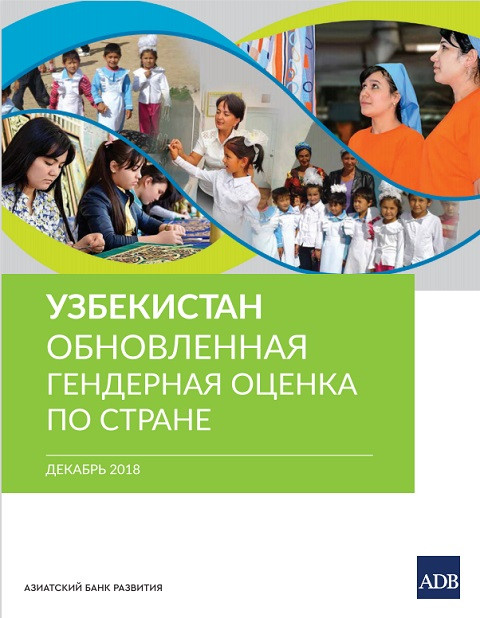 Uzbekistan: Country Gender Assessment Update 出版年份: 2018 机构作者: Asian Development Bank (ADB) This Country Gender Update Report, prepared by ADB in close collaboration with Uzbekistan Women Committee, provides an analysis of the socio-economic dimensions of gender equality in Uzbekistan. It embraces a wide a range of issues related to the empowerment of women by increasing their economic activity in various sectors. Recommendations from the assessment can be used in the development of a long-term strategy of KJU and ADB, including programs aimed at increasing the employment and income of women, supporting their entrepreneurial initiatives, combating traditional gender stereotypes to further enhance the role and status of women in the country as a whole. Узбекистан: Обновленная гендерная оценка по стране 出版年份: 2018 机构作者: Asian Development Bank (ADB) Настоящий отчет по Обновленной гендерной оценке по стране, подготовленный АБР в тесном сотрудничестве с Комитетом женщин Узбекистана (КЖУ), содержит анализ социально-экономических аспектов гендерного равенства в Узбекистане. В нем охвачен широкий круг вопросов, связанных с расширением возможностей женщин путем повышения их экономической активности в различных секторах. Рекомендации, выработанные по результатам проведенной оценки, могут быть использованы при разработке долгосрочной стратегии КЖУ и АБР, включая программы, направленные на повышение уровня занятости и доходов женщин, поддержку их предпринимательских инициатив, борьбу с традиционными гендерными стереотипами для дальнейшего повышения роли и статуса женщин в целом по стране.
  Looking into the Future Development of Central Asian Civil Society 2025 出版年份: 2020 机构作者: Civil Society Development Association (ARGO) “Looking into the future Development of Central Asian Civil Society - 2025” is a vision that reflects the role, trends and prospects for the development of civil society in Central Asia for 5 years. The Vision represents an image of civil society (‘We are the ones who’) and defines strategic priorities for the development of civil society in Central Asia. Взгляд в будущее развития гражданского общества в Центральной Азии 2025 出版年份: 2020 机构作者: Civil Society Development Association (ARGO) «Взгляд в будущее развитие гражданского общества Центральной Азии – 2025» — это видение, в котором отражены роль, тренды и перспективы развития гражданского общества в Центральной Азии на 5 лет. Видение представляет собой портрет гражданского общества в образе «Я» и определяет приоритеты развития гражданского общества в Центральной Азии.
 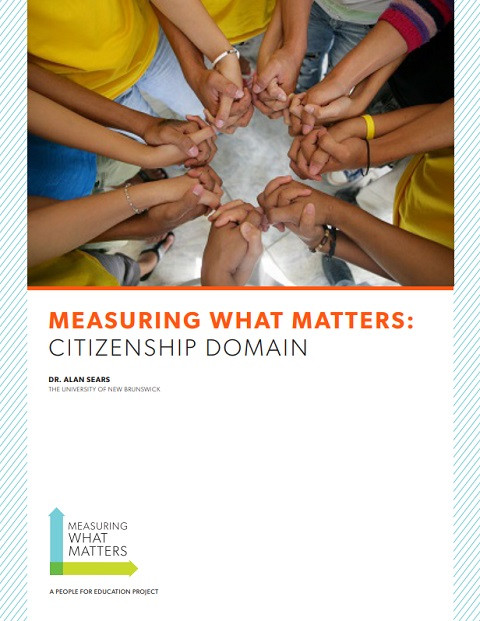 Measuring What Matters: Citizenship Domain 出版年份: 2014 作者: Alan Sears 机构作者: People for Education This report examines why citizenship is a core value for long term success for students and a cohesive, democratic society.
  Values Education in Primary and Secondary School of Japan: Approach, Orderliness and Dilemma (Primary & Secondary Schooling Abroad; No. 1) 出版年份: 2019 作者: Sun Cheng | Karaki Kiyoshi 机构作者: Shanghai Normal University Values education is an important part of primary and secondary education in Japan. It has two teaching approaches: curriculum teaching and practical teaching. After the Second World War, it has formed a political service orderliness which is unified with the national dominant ideology, a cultivating orderliness which is from the “Imperial People” to the “New Citizen”, a practical orderliness which is developing around the “Social Participation”. At present, Japan’s values education in primary and secondary schools mainly faces the dual dilemma of historical cognition and public value, especially in the aspect of historical cognition, which deserves our constant vigilance and attention. 日本中小学价值观教育:途径、理路与困境 (外国中小学教育; No. 1) 出版年份: 2019 作者: Sun Cheng | Karaki Kiyoshi 机构作者: Shanghai Normal University 价值观教育是日本中小学教育中的重要组成部分,包含课程教学和实践教学 两种教学途径,其在第二次世界大战后主要形成了与国家主导意识形态相统一的政治 服务理路、从“皇民”到“新公民”的身份型塑理路、以及以“社会参与”为核心的实践培 育理路。当前,日本中小学价值观教育主要面临历史认知与公共价值的两重困境,尤其 在历史认知方面值得我们持续地警惕和关注。
  Global Citizenship Education: Confusion and Clarification (International and Comparative Education; No. 3) 出版年份: 2019 作者: Rao Shuqi 机构作者: Beijing Normal University As a debatable and controversial area, global citizenship education has not been elevated to the center of practical agenda due to three confusion surround the term. From the aspect of regarding citizenship as status, the absence of global political community makes global society unimaginable. However, as the legal status of global citizen originates from the confirmation of intimate interpersonal relationship, global citizenship education enjoys legitimacy. From the aspect of conceiving citizenship as rights, the absence of global political community leads to global citizenship vacuous in essence. However, as the landscape of rights and responsibilities has been transformed, the contents of global citizenship education are enriched by pervasive human rights and responsibilities. From the aspect of considering citizenship as identity, global identity runs a risk of diminishing the need for national identity. However, given the consensus concerning the discourse of multidimensional identity, global identity should be developed on the basis of national identity. The perception of global citizenship education should not be confined within the traditional nation-state framework. Global citizenship education is not an alternative to national citizenship education.