
相关资源
探索丰富的全球公民教育资源,深化理解,促进研究、倡导、教学与学习。
共找到3,436条结果
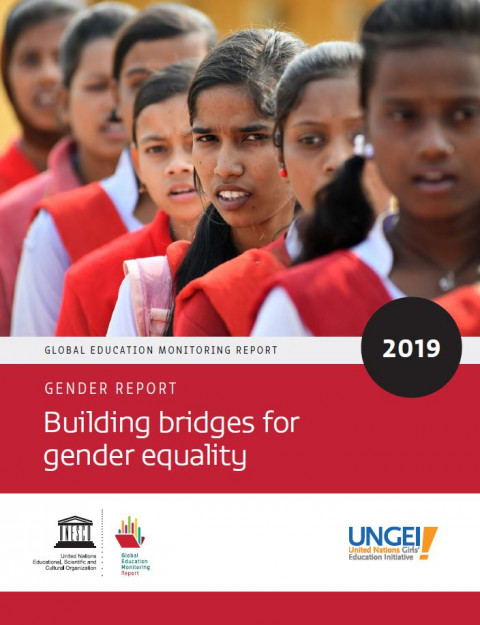 Rapport mondial de suivi de l'éducation 2019: rapport sur l'égalité des genres: Bâtir des ponts pour promouvoir l'égalité des genres 出版年份: 2019 机构作者: Global Education Monitoring Report Team La réalisation de l’égalité des genres dans la participation à l’éducation, les processus d’enseignement et d’apprentissage et l’accès aux possibilités sociales et économiques offertes par l’éducation est une ambition majeure portée par deux des Objectifs du Programme de développement durable à l’horizon 2030: l’ODD 4 relatif à l’éducation et l’ODD 5 relatif à l’égalité des sexes. Cette ambition occupe également une place centrale dans le Cadre d’action Éducation 2030, qui appelle les pays à ne pas se limiter à l’accès à l’éducation pour tous dans les stratégies qu’ils adoptent mais à aborder également les questions de fonds relatives à l’égalité des genres: «nous prenons l’engagement de soutenir les politiques, la planification et les environnements d’apprentissage attentifs au genre, d’intégrer les questions de genre dans la formation des enseignants et dans les programmes d’enseignement, ainsi que d’éliminer les discriminations et la violence fondées sur le genre à l’école». Le Rapport 2019 sur l’égalité des genres s’appuie sur le cadre de mesure qui a été utilisé pour la première fois dans l’édition 2016 du Rapport mondial de suivi sur l’éducation.Tout en examinant en priorité la parité entre les genres dans la participation à l’éducation et les résultats et les acquis scolaires, le cadre analyse des données sociales et économiques (normes et institutions liées au genre) ainsi que les principales caractéristiques des systèmes éducatifs (lois et politiques, pratiques d’enseignement et d’apprentissage, environnements d’apprentissage et ressources). Le cadre s’intéresse en outre aux rapports entre l’éducation et certains résultats sociaux et économiques précis. Ainsi, une plus grande parité au niveau des résultats scolaires peut accroître le taux de participation des femmes au marché du travail tandis qu’une faible participation féminine au marché du travail renforce les normes existantes et freine le développement des possibilités d’éducation des femmes. التقرير العالمي لرصد التعليم 2019: التقرير عن المسائل الجنسانية; بناء الجسور لتحقيقالمساواة بين الجنسين 出版年份: 2019 机构作者: Global Education Monitoring Report Team يمثل تحقيق المساواة بين الجنسين من حيث الالتحاق بالمدرسة والمشاركة في عمليات التعليم والتعلم والاستفادة من الفرص الاقتصادية والاجتماعية التي يمكن أن يتيحها التعليم طموحات أساسية مترابطة لهدفين من أهداف التنمية المستدامة المحددة في خطة التنمية المستدامة لعام 2030 ، هما: هدف التنمية المستدامة 4 الخاص بالتعليم وهدف التنمية المستدامة 5 الخاص بالمساواة بين الجنسين. وهذان الهدفان ضروريان أيضاً لتحقيق برنامج "التعليم حتى عام 2030 إطار العمل لتحقيق الهدف الرابع من أهداف التنمية المستدامة" الذي يدعو البلدان إلى اعتماد استراتيجيات لا تتطرق فقط إلى انتفاع الجميع بالتعليم بل تتناول أيضاً قضايا جوهرية تتعلق بالمساواة بين الجنسين منها: "دعم السياسات والخطط وبيئات التعلّم المراعية لقضايا الجنسين، وبتعميم مراعاة قضايا الجنسين في إعداد المعلمين وفي المناهج الدراسية، وبالقضاء على التمييز والعنف القائمين على نوع الجنس في المدارس".ويستند التقرير عن المسائل الجنسانية لعام 2019 إلى إطار رصد اعتُمد أول مرة في التقرير العالمي لرصد التعليم لعام 2016 . وهذا الإطار، فضلاً عن تركيزه على التكافؤ بين الجنسين في المشاركة في التعليم والتحصيل الدراسي والنتائج الدراسية، يدرس الظروف الاقتصادية والاجتماعية العامة )المعايير الجنسانية والمؤسسات( وسمات نظام التعليم الرئيسية )القوانين والسياسات وممارسات التعليم والتعلم وبيئات التعلم والموارد(. ويبحث الإطار أيضاً العلاقة القائمة بين التعليم ومجموعة مختارة من النتائج الاقتصادية والاجتماعية. فالتحرك باتجاه تحقيق التكافؤ بين الجنسين على مستوى التحصيل الدراسي، على سبيل المثال، يؤدي إلى ارتفاع معدلات مشاركة المرأة في القوة العاملة، غير أن مشاركتها هذه، إذا كانت منخفضة المستوى، تعزز المعايير السائدة وتحول دون زيادة فرص التعليم التي يمكن أن تتاح لها.
 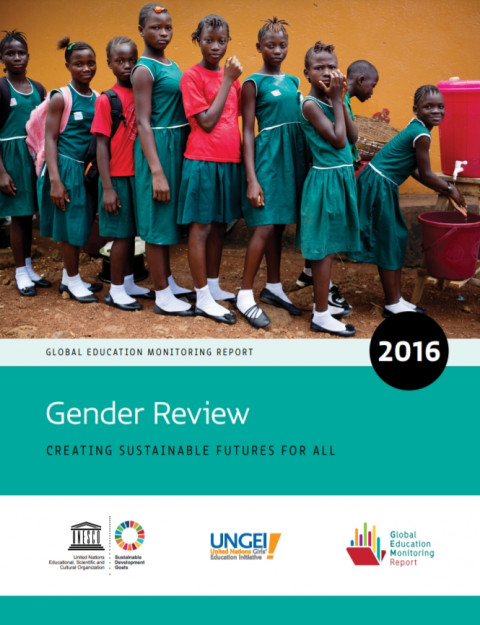 Creating sustainable futures for all; Global education monitoring report, 2016; gender review 出版年份: 2016 作者: Sachs, Jeffrey D 机构作者: Global Education Monitoring Report Team Education and gender equality are central concerns in the new sustainable development agenda. The Education 2030 Framework for Action, agreed by the global education community in November 2015 to accompany the SDG agenda, recognizes that gender equality is inextricably linked to the right to education for all, and that achieving gender equality requires an approach that ‘ensures that girls and boys, women and men not only gain access to and complete education cycles, but are empowered equally in and through education’ (UNESCO, 2016a, p. 8). Women, girls, boys and men all need to be given opportunities for active participation in society, for their voices to be heard and their needs met (UN Women, 2016a). To facilitate and achieve this, better evidence-based knowledge and understanding of gender issues in and through education are needed. The Gender Review of the 2016 Global Education Monitoring Report (GEM Report) recognizes and largely focuses on the challenges facing girls and women because of the disproportionate overall disadvantage they continue to experience in and beyond education. But it also understands that gender disadvantage can be experienced by boys and men, and that gender equality involves males, relationships and power. Gender inequality affects us all. Achieving gender equality must involve us all. Résumé sur l'égalité des genres: créer des avenirs durables pour tous; Rapport mondial de suivi sur l'éducation, 2016 出版年份: 2016 作者: Sachs, Jeffrey D 机构作者: Global Education Monitoring Report Team L’éducation et l’égalité des genres sont des préoccupations essentielles dans le nouveau programme de développement durable. Le Cadre d’action Éducation 2030, approuvé par la communauté mondiale de l’éducation en novembre 2015 en complément du Programme 2030, reconnaît que l’égalité des genres est indissociable du droit à l’éducation pour tous, et que, pour qu’elle devienne une réalité, il faut adopter une démarche « qui garantisse que les filles et les garçons, les femmes et les hommes non seulement ont le même accès aux différents cycles d’enseignement, jusqu’à leur terme, mais aussi qu’ils ont les mêmes possibilités de s’épanouir dans l’éducation et grâce à l’éducation » (UNESCO, 2016a, p. 8). Femmes, filles, hommes et garçons ont tous besoin que des possibilités leur soient données de participer activement à la vie sociale et de faire entendre leur voix et qu’il soit répondu à leurs besoins (ONU Femmes, 2016a). Faciliter et permettre la réalisation de cet objectif exige une connaissance et une compréhension mieux étayées par des données factuelles de la manière dont l’égalité des genres peut être assurée dans l’éducation et par l’éducation. Le Résumé sur l’égalité des genres de l’édition 2016 du Rapport mondial de suivi sur l’éducation (Rapport GEM) reconnaît les difficultés rencontrées par les filles et les femmes du fait du désavantage global disproportionné auquel elles continuent de se heurter dans leurs études et au-delà, et est grande partie centré sur ces difficultés. Mais il admet aussi que les garçons et les hommes peuvent eux aussi être désavantagés du fait de leur sexe et que l’égalité des genres les concerne et est affaire de relations et d’exercice du pouvoir. L’inégalité entre les genres nous touche tous. Instaurer l’égalité entre les genres est notre responsabilité à tous. Resumen sobre género: creación de futuros sostenibles para todos; Informe de seguimiento de la educación en el mundo, 2016 出版年份: 2016 作者: Sachs, Jeffrey D 机构作者: Global Education Monitoring Report Team Para la nueva agenda internacional de desarrollo sostenible, la educación y la igualdad de género constituyen preocupaciones básicas. El Marco de Acción Educación 2030, suscrito por la comunidad educativa mundial en noviembre del 2015, en sintonía con la agenda para los ODS, reconoce que la igualdad de género está íntimamente ligada al derecho a la educación para todos y que para alcanzar la igualdad de género se requiere un enfoque que “garantice no solo que las niñas, los niños, las mujeres y los hombres obtengan acceso a los distintos niveles de enseñanza y los cursen con éxito, sino que adquieran las mismas competencias en la educación y mediante ella” (UNESCO 2016a, p.28). Todas las mujeres, las niñas, los niños y los hombres han de tener la posibilidad de participar activamente en la sociedad, de que se oigan sus voces y se satisfagan sus necesidades (ONU-Mujeres, 2016a). Para facilitar y alcanzar estos objetivos, es necesario disponer de conocimientos basados en evidencia, acerca de los temas relacionados con el género en el ámbito de la educación y mediante ella. El Resumen sobre Género del Informe de Seguimiento de la Educación en el Mundo (Informe GEM) identifica y se centra principalmente en los desafíos a los que han de hacer frente las niñas y las mujeres a causa de las desventajas globales y desproporcionadas que siguen experimentando en su período de formación y después de él. Pero tiene presente asimismo que los niños y los hombres pueden sufrir desventajas de género, y que la igualdad de género también afecta a los varones, a sus relaciones y al poder. Por tanto, todos debemos participar en lograr la igualdad de género.
  Education Finance Watch 2024 出版年份: 2024 机构作者: Global Education Monitoring Report Team | UNESCO Institute for Statistics (UIS) | World Bank The Education Finance Watch (EFW) is a collaborative effort between the World Bank, the GEM Report, and the UNESCO Institute for Statistics (UIS). The EFW aims to provide an analysis of trends, patterns, and issues in education financing around the world. The EFW uses various sources of education, economic, and financial data from the World Bank, UIS, the International Monetary Fund, and the Organization of Economic Co-operation and Development (OECD).
  What Kind of Power Does Technology Have on the Development of Education: On the Development Principle of Technical Force in the Process of Educational Modernization (Modern Education Review; No.3, 2022) 出版年份: 2022 作者: 余清臣 In the process of continuously promoting the comprehensive modernization of education, the issue of what influence technology has on the development of education has caused many debates and disputes. Therefore, it is necessary to deeply explore the connotation of technology and the possible influence of technology on the development of education. Up to now, technology has been a concept with multiple connotations, which can be divided into two levels:core essence and peripheral influence. At present, the influence of technology with multiple connotations on educational development is manifested in three aspects:technology enriches and upgrades educational means, promotes and changes the action efficiency and life form of educational subjects, and influences and changes the way the educational world is organized. In the process of comprehensively promoting the modernization of education, the planning and application of technological forces in education should focus on promoting the all-round development of mankind in the world, not on defeating or replacing other forces, and pursue the organic combination with other forces. In addition, continuous introspection, feedback and correction are also very important. 技术对教育发展具有什么样的力量: 兼论教育现代化进程中的技术力量发展原则 (现代教育论丛; No.3, 2022) 出版年份: 2022 作者: 余清臣 在持续推进教育全面现代化的进程中,关于技术对教育发展拥有什么样影响力的问题已引发不少争议和分歧,因而有必要深入探索技术内涵以及技术对教育发展的可能影响力。不断发展至今,技术已是一个具有多重内涵的概念,可以分为内核实质与外围影响两个层次。具有多重内涵的技术对教育发展的影响力量在当前表现为三个方面:技术丰富和升级着教育手段,技术提升和改变着教育主体的行动效能和生命形态,技术影响和转变着教育世界的组织方式。在全面推进教育现代化的过程中,对技术力量的筹划和使用需要坚持四个主要原则:要以推动世界之中的人类全面发展为中心,不以战胜或取代其他力量为重要目的,要追求与其他力量有机结合,需要进行持续的自省、反馈与校正。
  Learning Outcomes of Fifth and Sixth Graders in a Computer Course Using a Virtual Reality Website for Learning (Educational Journal ; Vol.48, No.1) 出版年份: 2020 作者: 曹永庆 | 林佳禾 In recent years, the use of virtual reality (VR) in games and teaching has become increasingly popular. The boundless nature of the Web and the uniqueness of multimedia in VR greatly enhance peer interaction as well as the interaction between learners and virtual objects on Webpages.Elementary schoolchildren’s habits of using Webpages depends upon the navigation interface design of the Webpages. Therefore, understanding the effectiveness of schoolchildren’s visual interaction with Webpages will help implement VR into Websites for schoolchildren.The purpose of this experiment was to explore the learning outcomes of 60 Taiwanese fifth and sixth graders in a computer course using VR Webpages. The experiment involved students learning through the tasks set on the VR Web platform “CoSpaces EDU.” The differences in their learning outcomes on the “5C key competencies” (i.e., communication and coordination skills, teamwork capabilities, problem-solving skills, independent thinking capabilities, and creativity) before and after the experiment were compared.Based on the results of expert assessment and students’ self-evaluation, paired-samples t test was conducted to compare the learning outcomes before and after implementing the VR teaching. Results show that the fifth and sixth graders were found to exhibit excellent 5C competencies after the experiment. 台湾国小高年级学童利用虚拟实境网页学习资讯课程之学习成效 (教育学报; Vol.48, No.1) 出版年份: 2020 作者: 曹永庆 | 林佳禾 近年日益兴起在游戏和教学上运用「虚拟实境」(virtual reality, vr)。在虚拟实境中,基于网路无界限和多媒体的特殊性,大大增强了网页中同侪间和学习者与虚拟物件的互动。 国小学童会因为网页的导览介面设计而影响对网页的使用习惯,因此了解学童在网页视觉互动成效的情况,将有助于把虚拟实境建构在儿童网页的视觉互动上。本实验针对台湾60位高年级学童,探讨他们在利用虚拟实境网页的资讯课程中的学习成效。实验要求学生于cospaces edu虚拟实境网页平台所设定学习任务中学习,并比较实验前、后学生在「沟通协调能力」、「团队合作能力」、「问题解决能力」、「独立思辨能力」和「创造力」等「5c关键能力」中的学习成效差异。本实验由专家评监结果和学生自评结果,进行成对样本t检定,比较虚拟实境教学前、后的学习成效。结果显示,进行学习任务课程后,高年级学生在「5c关键能力」上均达到良好的学习成效。