
相关资源
探索丰富的全球公民教育资源,深化理解,促进研究、倡导、教学与学习。
共找到661条结果
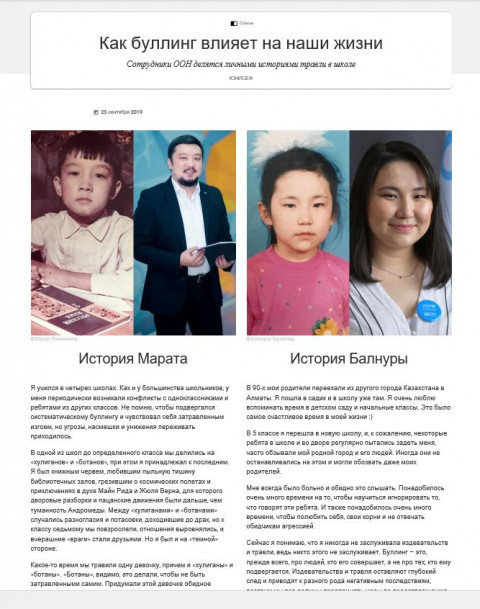 How Bullying Affects Our Lives 出版年份: 2019 机构作者: UNICEF Kazakhstan In this article, UN staff members share personal stories showing how they dealt with bullying at school.
 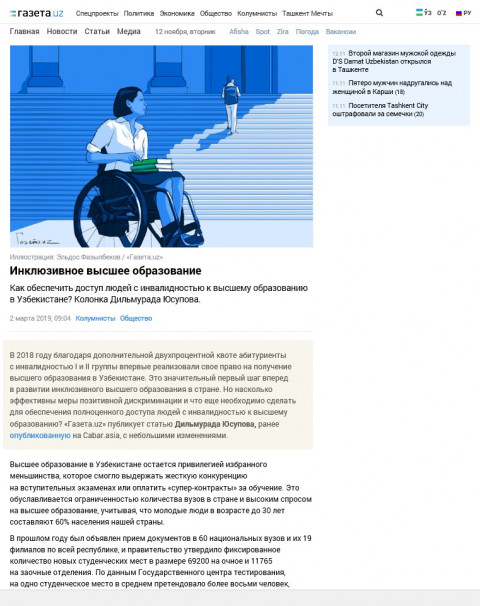 Инклюзивное высшее образование: Как обеспечить доступ людей с инвалидностью к высшему образованию в Узбекистане? 出版年份: 2019 作者: Dilmurad Yusupov Статья посвящена анализу изменений, происходящих в системе высшего образования Узбекистана, а также мер, необходимых для обеспечения полноценного доступа людей с инвалидностью к высшему образованию.
 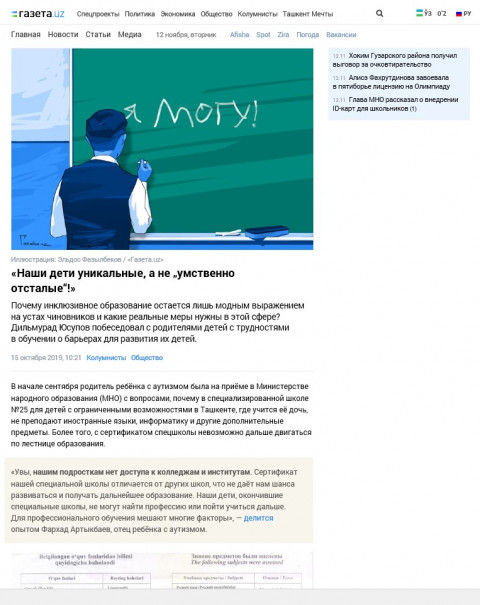 “Our Children Are Unique, Not 'Mentally Retarded'!” 出版年份: 2019 作者: Dilmurad Yusupov The article analyzes the necessary measures in the field of inclusive education in Uzbekistan. The author spoke with parents of children with learning difficulties about the barriers to their children's development. «Наши дети уникальные, а не „умственно отсталые“!» 出版年份: 2019 作者: Dilmurad Yusupov В статье проведен анализ необходимых мер в сфере инклюзивного образования в Узбекистане. Автор побеседовал с родителями детей с трудностями в обучении о барьерах для развития их детей. Как буллинг влияет на наши жизни 出版年份: 2019 机构作者: UNICEF Kazakhstan В данной статье сотрудники ООН делятся личными историями травли в школе.
 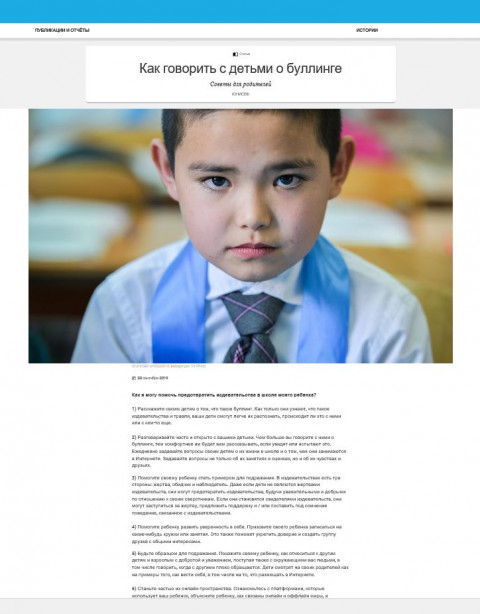 How to Talk with Children About Bullying: Tips for Parents 出版年份: 2019 机构作者: UNICEF Kazakhstan In this article, parents are offered practical advice on how to talk with children about bullying in order to prevent its occurrence and teach children how to effectively counteract it. Как говорить с детьми о буллинге: Советы для родителей 出版年份: 2019 机构作者: UNICEF Kazakhstan В данной статье вниманию родителей предлагаются практические советы о том, как говорить с детьми о буллинге, чтобы предотвратить его проявления и научить детей эффективно ему противодействовать. Inclusive Higher Education: How to Ensure Access for People with Disabilities to Higher Education in Uzbekistan? 出版年份: 2019 作者: Dilmurad Yusupov The article is devoted to the analysis of changes occurring in the higher education system of Uzbekistan, as well as the measures necessary to ensure full access for people with disabilities to higher education.
 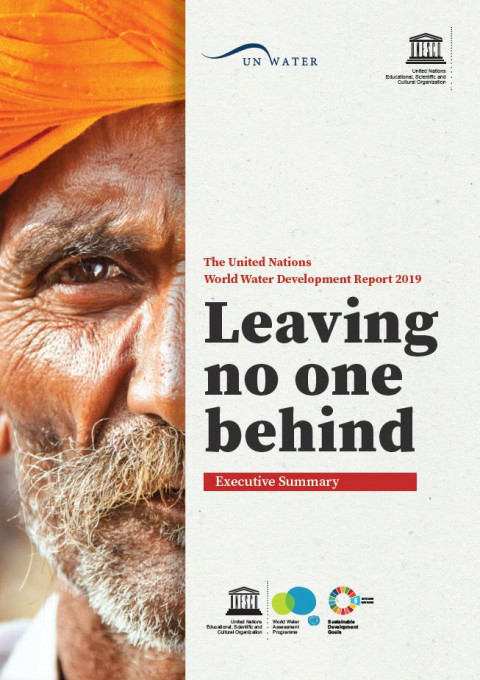 [Summary] The United Nations World Water Development Report 2019: Leaving No One Behind; Executive Summary 出版年份: 2019 作者: Richard Connor | Stefan Uhlenbrook | Engin Koncagül 机构作者: UNESCO World Water Assessment Programme (WWAP) People from different groups are ‘left behind’ for different reasons. Discrimination, exclusion, marginalization, entrenched power asymmetries and material inequalities are among the main obstacles to achieving the human rights to safe drinking water and sanitation for all and realizing the water-related goals of the 2030 Agenda. Poorly designed and inadequately implemented policies, inefficient and improper use of financial resources, as well as policy gaps fuel the persistence of inequalities in access to safe drinking water and sanitation. Unless exclusion and inequality are explicitly and responsively addressed in both policy and practice, water interventions will continue to fail to reach those most in need and who are likely to benefit most.Improving water resources management and providing access to safe and affordable drinking water and sanitation for all is essential for eradicating poverty, building peaceful and prosperous societies, and ensuring that ‘no one is left behind’ on the road towards sustainable development. These goals are entirely achievable, provided there is a collective will to do so. [Resumen] Informe Mundial de las Naciones Unidas sobre el Desarrollo de los Recursos Hídricos 2019:no dejar a nadie atrás, resumen ejecutivo 出版年份: 2019 作者: Richard Connor | Stefan Uhlenbrook | Engin Koncagül 机构作者: UNESCO World Water Assessment Programme (WWAP) Personas de distintos grupos “se quedan atrás” por diferentes motivos. Discriminación, exclusión, marginación, asimetrías de poder arraigadas y desigualdades materiales se encuentran entre los principales obstáculos para lograr los derechos humanos al agua potable segura y al saneamiento para todos y para alcanzar los objetivos relacionados con el agua de la Agenda 2030. Las políticas mal diseñadas y aplicadas de manera inadecuada, un uso ineficaz e inadecuado de los recursos financieros, así como las brechas en las políticas, alimentan la persistencia de las desigualdades en el acceso al agua potable segura y al saneamiento. A menos que la exclusión y la desigualdad se aborden de forma explícita y responsable tanto en las políticas como en la práctica, las intervenciones sobre el agua seguirán fracasando a la hora de llegar a los más necesitados y a quienes probablemente beneficiarían más.Mejorar la gestión de los recursos hídricos y facilitar el acceso al agua potable y saneamiento seguros y asequibles para todo el mundo es esencial para erradicar la pobreza, construir sociedades pacíficas y prósperas y garantizar que “no dejar a nadie atrás” en el camino hacia un desarrollo sostenible. Estos objetivos son plenamente alcanzables, siempre que exista la voluntad colectiva de hacerlo.