
相关资源
探索丰富的全球公民教育资源,深化理解,促进研究、倡导、教学与学习。
共找到875条结果
 Participación para la construcción de una ciudadanía democrática: Formacion ética y ciudadana (1er año) 出版年份: 2018 机构作者: Buenos Aires Ciudad Este documento hace parte de la serie de materiales Profundización de la NES, que presenta distintas propuestas de enseñanza en las que se ponen en juego tanto los contenidos –conceptos, habilidades, capacidades,prácticas, valores y actitudes– definidos en el Diseño Curricular de la Nueva Escuela Secundaria de la Ciudad Autónoma de Buenos Aires, como nuevas formas de organizar los espacios, los tiempos y las modalidades de enseñanza.
  Diversity and Interculturality: Identity and Rights; Ethical and Civic Education (2nd year) 出版年份: 2018 机构作者: Buenos Aires Ciudad This document is part of the series of materials Deepening the NES, which presents different teaching proposals including both the contents - concepts, skills, abilities, practices, values and attitudes - defined in the Curriculum Design of the New Secondary School of the Autonomous City of Buenos Aires, and new ways of organizing spaces, times and teaching methods. Diversidad e interculturalidad: Identidad y derechos; Formacion ética y ciudadana (2do año) 出版年份: 2018 机构作者: Buenos Aires Ciudad Este documento hace parte de la serie de materiales Profundización de la NES, que presenta distintas propuestas de enseñanza en las que se ponen en juego tanto los contenidos –conceptos, habilidades, capacidades,prácticas, valores y actitudes– definidos en el Diseño Curricular de la Nueva Escuela Secundaria de la Ciudad Autónoma de Buenos Aires, como nuevas formas de organizar los espacios, los tiempos y las modalidades de enseñanza.
  Mi objeto migrante 机构作者: Museo de la Memoria y los Derechos Humanos Material educativo desarrollado por el Museo de la Memoria y los Derechos Humandos a partir de objetos asociados con historias de exilio durante la dictadura de Augusto Pinochet en Chile.
 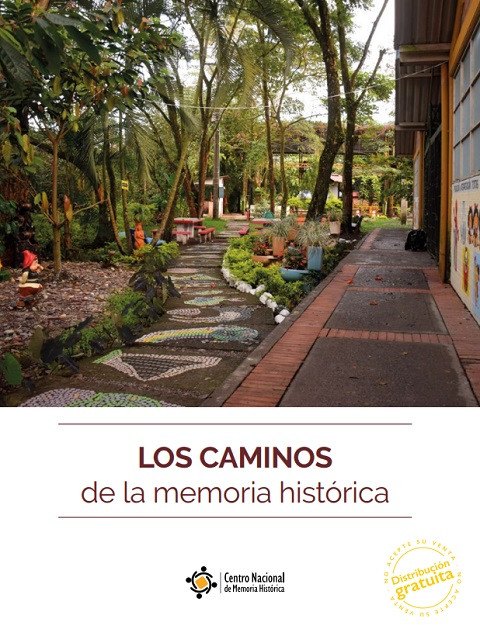 The Paths of Historical Memory 出版年份: 2018 机构作者: Centro Nacional de Memoria Histórica This book introduces the Historical Memory Toolbox and presents its contents. In addition to the prologue, the acknowledgment to teachers and students who have been part of this process and the account of the construction of the Toolbox since 2012, includes a text that collects the theoretical and conceptual foundations of the Tool Box, "Keys to navigate through historical memory" and another text with the pedagogical proposal that underlies all the materials in the Box, called "Pedagogy of historical memory: route to work in school". Los caminos de la memoria histórica 出版年份: 2018 机构作者: Centro Nacional de Memoria Histórica Es el libro que introduce a la Caja de Herramientas y presenta sus contenidos. Además del prólogo, los agradecimientos a los maestros, maestras y estudiantes que han hecho parte de este proceso y el recuento de la construcción de la Caja desde 2012, contiene un texto que recoge los fundamentos teóricos y conceptuales de la Caja de Herramientas, titulado Claves para navegar por la memoria histórica, y otro texto con la propuesta pedagógica que subyace a todos los materiales de la Caja, llamado Pedagogía de la memoria histórica: ruta para trabajar en la escuela.
 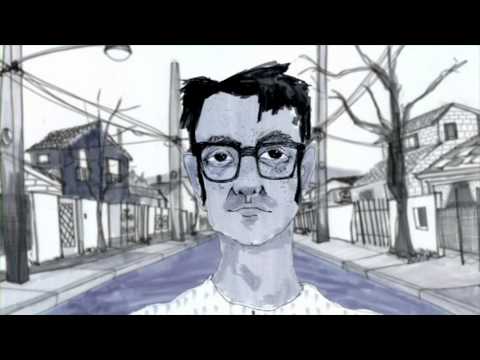 Trazos de memoria: Cortometraje de Londres 38 出版年份: 2012 机构作者: Londres 38 Este cortometraje está basado en seis historias vinculadas a Londres 38, un inmueble utilizado como lugar de detención y tortura de opositores a la dictadura de Augusto Pinochet. Las voces de los protagonistas fueron entregados a dibujantes e ilustradores jívenes, para la realización de esta película.
 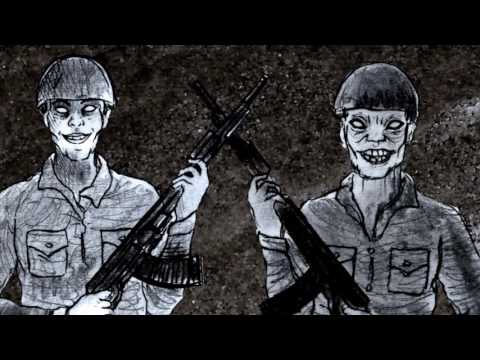 Traces of Memory 2: Short Film 出版年份: 2017 机构作者: Londres 38 Second part of the short film based on stories related to London 38, a house used as a place of detention and torture of opponents of the Augusto Pinochet dictatorship. The voices of the protagonists were given to young cartoonists and illustrators for the making of this film. Trazos de memoria 2: Cortometraje 出版年份: 2017 机构作者: Londres 38 Segunda parte del cortometraje basado en historias vinculadas a Londres 38, un inmueble utilizado como lugar de detención y tortura de opositores a la dictadura de Augusto Pinochet. Las voces de los protagonistas fueron entregados a dibujantes e ilustradores jívenes, para la realización de esta película. My Migrant Object 机构作者: Museo de la Memoria y los Derechos Humanos Educational material developed by the Museum of Memory and Human Rights from objects associated with stories of exile during the dictatorship of Augusto Pinochet in Chile.