
相关资源
探索丰富的全球公民教育资源,深化理解,促进研究、倡导、教学与学习。
共找到883条结果
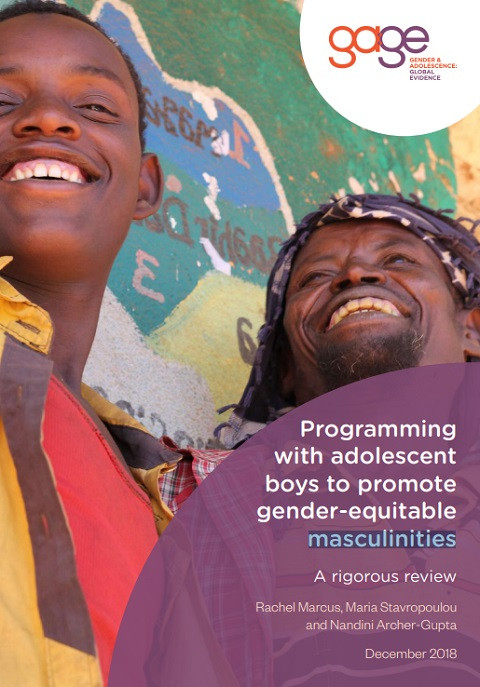 Programming with Adolescent Boys to Promote Gender-Equitable Masculinities: A Rigorous Review 出版年份: 2018 作者: Rachel Marcus | Maria Stavropoulou | Nandini Archer-Gupta 机构作者: Gender and Adolescence: Global Evidence (GAGE) | UK aid This review brings evidence from 36 studies of 34 programmes working with adolescent boys and young men to promote more gender-equitable masculinities. It draws on studies with a range of evaluation designs; the key requirements were adequate description of methodology and a valid comparison between participants and non-participants, or of attitudes and behaviour before and after participation.
 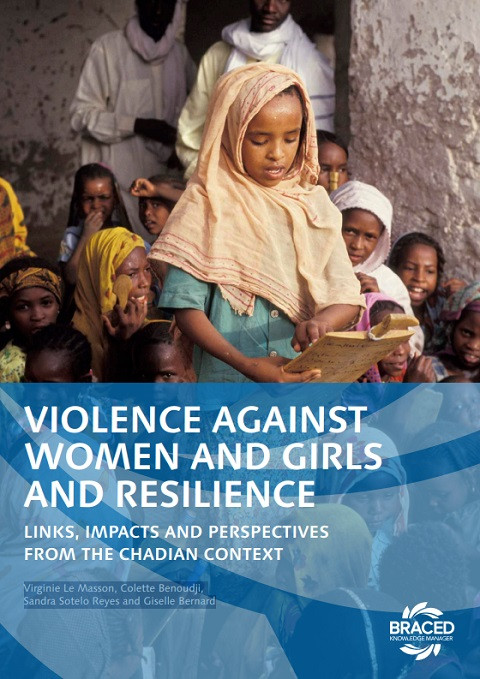 Violence against Women and Girls and Resilience: Links, Impacts and Perspectives from the Chadian Context 出版年份: 2017 作者: Virginie Le Masson | Colette Benoudji | Sandra Sotelo Reyes | Giselle Bernard 机构作者: Building Resilience and Adaptation to Climate Extremes and Disasters (BRACED) This report explores the links between gender-based violence (GBV), and the resilience shown by survivors, their households and the wider community. The purpose of this study is to explore two main questions: 1. How does violence against women and girls (VAWG) impact the processes of social change required to build resilience? 2. How can resilience programmes address VAWG? Les violences contre les femmes et les filles et la résilience: Quels liens ? quels enjeux ? quels impacts ? perspectives du contexte tchadien 出版年份: 2017 作者: Virginie Le Masson | Colette Benoudji | Sandra Sotelo Reyes | Giselle Bernard 机构作者: Building Resilience and Adaptation to Climate Extremes and Disasters (BRACED) Ce rapport explore les liens entre les violences basées sur le genre (VBG) qui affectent principalement les femmes et les filles, et la résilience des survivant(e) s, de leur foyer et de leur communauté. L’objectif de cette étude vise à explorer deux questions principales : 1. Comment les violences contre les femmes et les filles impactent-t-elles les processus de changements sociaux nécessaires au développement des capacités de résilience? 2. Comment les programmes de résilience peuvent-ils prendre en compte les violences perpétrées contre les femmes et les filles?
 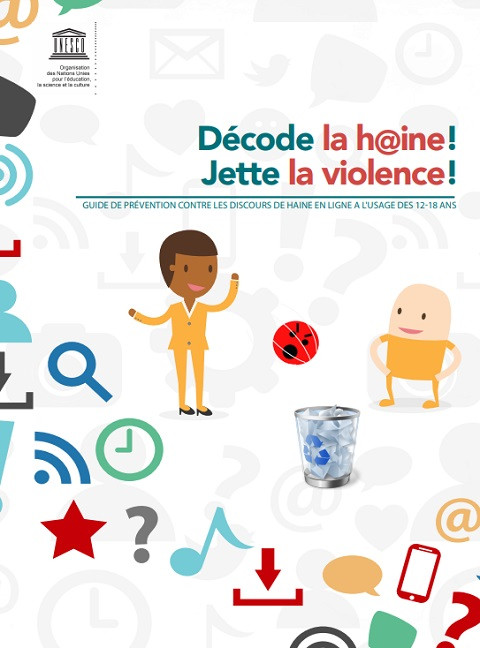 Décode la h@ine! Jette la violence!: Guide de prévention contre les discours de haine en ligne à l'usage des 12-18 ans 出版年份: 2019 作者: Khalid Aoutail 机构作者: UNESCO Rabat Ce guide, conçu à partir d'une collecte des données sur l'expression de la haine en ligne sous toutes ses formes, et de leur analyse, propose des modules simples à comprendre afin d'accompagner celles et ceux qui le souhaitent dans la création d'un réseau virtuel d'échange pacifié. Les recommandations présentes ici ne se limitent pas à l'expression de la haine en ligne mais abordent toutes les formes de violences qui peuvent exister.
 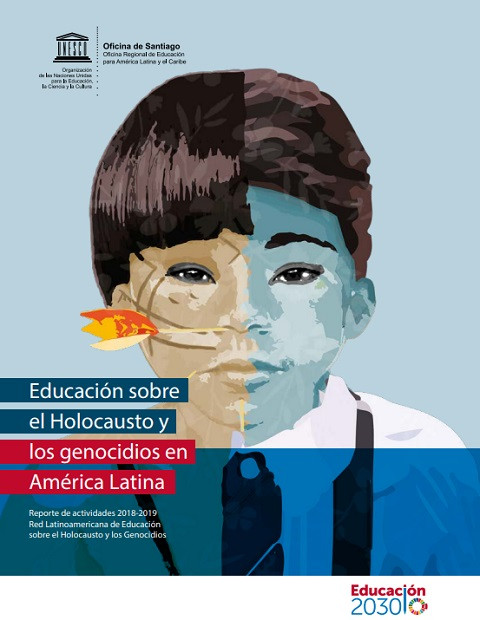 Holocaust and Genocide Education in Latin America: Activity Report 2018-2019 of the Latin American Network for Education on the Holocaust and Other Genocides 出版年份: 2019 机构作者: UNESCO Santiago This document presents policies, experiences, plans and programs in Latin America dedicated to education about the holocaust and other genocides. Educación sobre el Holocausto y los genocidios en América Latina: Reporte de actividades 2018-2019 de la Red Latinoamericana de Educación sobre el Holocausto y los Genocidios 出版年份: 2019 机构作者: UNESCO Santiago Este documento presenta políticas, experiencias, planes y programas en América Latina, dedicadas a la educación sobre el holocausto y otros genocidios.
 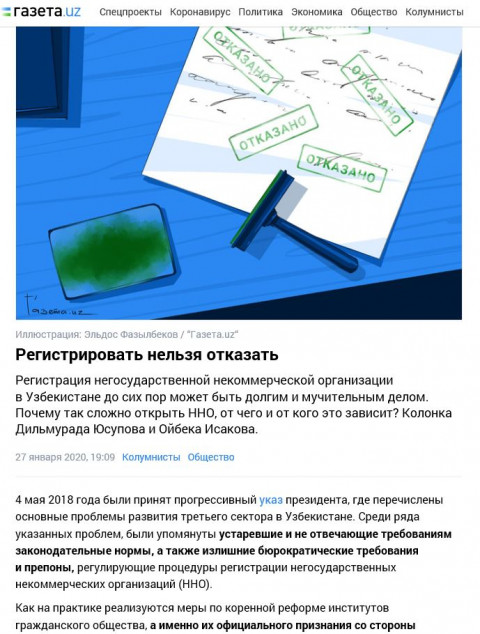 Registration or Block? 出版年份: 2020 作者: Dilmurod Yusupov | Oybek Isakov Registration of a non-governmental non-profit organization in Uzbekistan can still be a long and painful affair. The article discusses why it is so difficult to open an NGO, what and whom it depends on. Регистрировать нельзя отказать 出版年份: 2020 作者: Dilmurod Yusupov | Oybek Isakov Регистрация негосударственной некоммерческой организации в Узбекистане до сих пор может быть долгим и мучительным делом. В статье рассматривается, почему так сложно открыть ННО, от чего и от кого это зависит.
 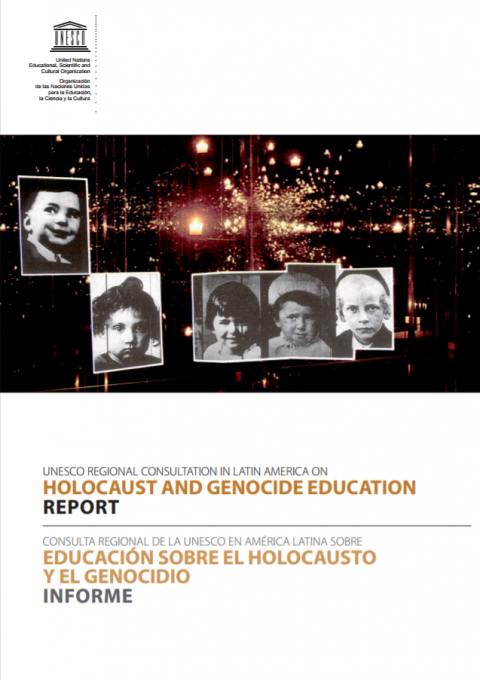 Consulta regional de la UNESCO en América Latina sobre educación sobre el Holocausto y el genocidio: informe 出版年份: 2014 机构作者: UNESCO Santiago This consultation with Latin American Member States sought to raise awareness amongst policymakers and education specialists of the region about the history of the Holocaust, as it can contribute to the prevention of genocide, following United Nations General Assembly resolution 60/7 on Holocaust remembrance. The meeting also aimed at fostering concrete cooperation between UNESCO and Member States on education about the history of genocide and mass atrocities, notably the Holocaust, with a view of introducing the subject in the curriculum and of developing relevant educational programmes in the region. The overall objectives of the project were as follows:▶ Strengthen educational leaders’ awareness and support for Holocaust remembrance and education about the history of genocide and mass atrocities, in line with regional efforts to foster education for peace and human rights.▶ Increase the implementation of education programmes about the history of the Holocaust and other genocides, and support interested Ministries of Education to introduce these subjects in the curriculum.▶ Foster regional exchanges about this topic and facilitate access to good practices regarding Holocaust and genocide related issues and peace education.
 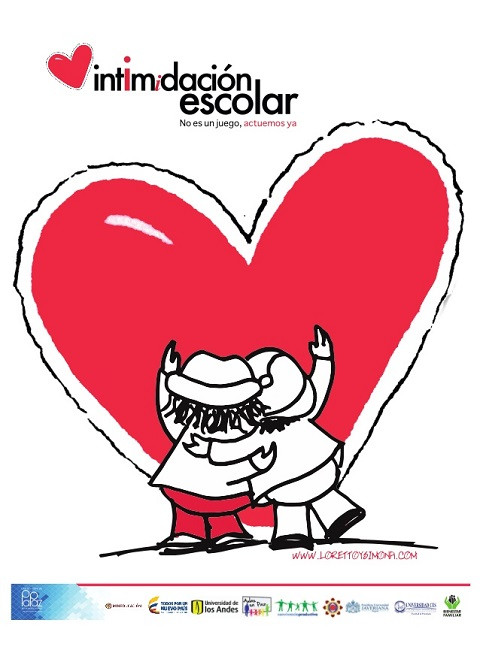 Kit Papaz for Bullying and Cyberbullying Prevention and Intervention 出版年份: 2014 作者: Lina Saldarriaga | José Fernando Mejía | Enrique Chaux | Andrea Bustamante | Melisa Castellanos | Manuela Jiménez | María Isabel Mejía 机构作者: Red Papaz | ICBF This Kit is a tool for parents, teachers and caregivers to know what bullying and cyberbullying are, how they can prevent and manage them, and promote healthy school and family coexistence.