
相关资源
探索丰富的全球公民教育资源,深化理解,促进研究、倡导、教学与学习。
共找到883条结果
 Kit PaPaz para la prevención y manejo de la intimidación escolar y el ciberacoso 出版年份: 2014 作者: Lina Saldarriaga | José Fernando Mejía | Enrique Chaux | Andrea Bustamante | Melisa Castellanos | Manuela Jiménez | María Isabel Mejía 机构作者: Red Papaz | ICBF Este Kit es una herramienta para que padres, madres docentes y cuidadores conozcan qué son la intimidación escolar y el ciberacoso, cómo pueden prevenirlos y manejarlos y promover la sana convivencia escolar y familiar.
 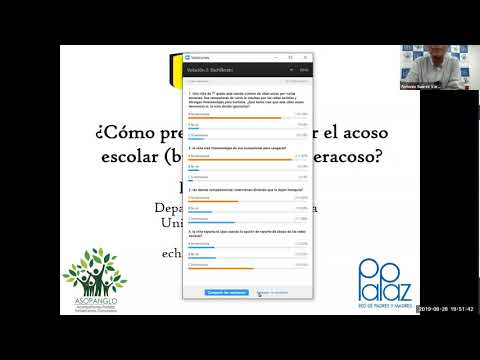 Virtual Conference: How Can We Prevent Bullying and Cyberbullying? 出版年份: 2019 作者: Enrique Chaux 机构作者: Red Papaz This conference presents strategies that can contribute to preventing and managing bullying and cyberbullying situations, especially emphasizing the role that mothers, fathers, caregivers and teachers can have. Conferencia virtual: ¿Cómo acompañar a nuestros hijos para usar de forma segura las TIC? 出版年份: 2019 作者: Enrique Chaux 机构作者: Red Papaz En esta conferencia se presentan estrategias que pueden contribuir a prevenir y manejar las situaciones de bullying y Cyberbullying, enfatizando especialmente el rol que pueden tener madres, padres, cuidadores y docentes.
  What is Genocide? (Arabic Edition) 出版年份: 2017 作者: Martin Shaw 机构作者: Obeikan Publishing This book translated into Arabic, written by Martin Shaw, in which he talks about genocide, its roots and where it occurred. The book is an original reference in matters of genocide.This fully revised edition of Martin Shaw’s classic, award-winning text proposes a way through the intellectual confusion surrounding genocide. In a thorough account of the idea’s history, Shaw considers its origins and development and its relationships to concepts like ethnic cleansing and politicide. Offering a radical critique of the existing literature on genocide, he argues that what distinguishes genocide from more legitimate warfare is that the ‘enemies’ targeted are groups and individuals of a civilian character. He vividly illustrates his argument with a wide range of historical examples - from the Holocaust to Rwanda and Palestine to Yugoslavia - and shows how the question ‘What is genocide?’ matters politically whenever populations are threatened by violence.
  Holocaust and Genocides of the 20th Century: Questions, Answers and Proposals for Your Teaching 出版年份: 2014 作者: María Celeste Adamoli | Cecilia Flachsland 机构作者: Argentina. Ministry of Education This book presents, in questions and answers format, basic information and the enumeration of the main historical and theoretical problems that arise from the Holocaust and other genocides of the 20th century, to accompany teachers in the complex task of teaching this subject. Holocausto y genocidios del siglo XX: Preguntas, respuestas y propuestas para su enseñanza 出版年份: 2014 作者: María Celeste Adamoli | Cecilia Flachsland 机构作者: Argentina. Ministry of Education Este libro presenta, en formato de preguntas y respuestas información básica y la enumeración de los principales problemas históricos y teóricos que se desprenden del Holocausto y otros genocidios del siglo XX para acompañar a los docentes en la compleja tarea de la enseñanza de esta temática. الإبادة الجماعية: مفهومها، وجذورها وتطورها وأين حدثت؟ 出版年份: 2017 作者: Martin Shaw 机构作者: Obeikan Publishing كتاب مترجم للعربية للكاتب مارتن شو، يتحدث فيها عن الابادة وجذورها وأين حدثت. يعتبر الكتاب مرجعا أصيلا في قضايا الابادة.مصطلح "الإبادة الجماعية" لم يكن موجودًا قبل عام 1944. هذا المصطلح له مدلول خاص جدًا، حيث أنه يشير إلى جرائم القتل الجماعي المرتكبة بحق مجموعات معينة من البشر بقصد تدمير وجودهم كلياً. بينما حقوق الإنسان، كما هو مبين في قوانين الحريات في الولايات المتحدة الأمريكية أو في إعلان الأمم المتحدة العالمي لحقوق الإنسان الصادر في عام 1948، هو مفهوم يتعلق بحقوق الأفراد.
  Call Me When He Tries to Kill You: State Response to Domestic Violence in Kyrgyzstan 出版年份: 2015 机构作者: Human Rights Watch This report documents the government of Kyrgyzstan’s failure to provide survivors of domestic violence with adequate services, protection, and legal remedies. It is based on Human Rights Watch research conducted in November and December 2014 in three cities in Kyrgyzstan: Bishkek and Naryn in the north and Osh in the south. Additional meetings and interviews were conducted in Bishkek in May 2015. The report also contains a number of recommendations to the government of Kyrgyzstan. Вызывайте, когда будет убивать: Реагирование государства на семейное насилие в Кыргызстане 出版年份: 2015 机构作者: Human Rights Watch В этом докладе документировано необеспечение правительством Кыргызстана надлежащих услуг, защиты и средств правовой защиты пережившим семейное насилие. Доклад основан на материалах исследований, проводившихся Хьюман Райтс Вотч в ноябре – декабре 2014 г. в трех городах: Бишкеке и Нарыне на севере и Оше на юге страны. Дополнительные встречи и интервью проводились в Бишкеке в мае 2015 г. Отчет также содержит ряд рекомендаций правительству Кыргызстана.
  التربية الوقائية للمؤسسات التربوية فى مواجهة التطرف الفكرى 出版年份: 2015 作者: Muhammad Hassan 机构作者: Ain Shams University تتلخص المشكلة في هذه الدراسة بالسؤال التالي: كيف تواجه المؤسسات التربوية مشكلة التطرف الفكري من خلال التربية الوقائية؟ من هنا تستهدف الدراسة تحقيق بعض الفوائد للمهتمين بشأن التربية ومواجهة التطرف، مثل: 1) التعرف على مفاهيم التطرف والتربية الوقائية في مواجهته. 2) التعرف على مخاطر ظاهرة التطرف الفكري وآثاره بين أفراد المجتمع. 3) التعرف على أبرز التحديات الإقليمية ذات التأثير المباشر في نشر الفكر المنحرف. 4) الوقوف على الدور التربوي في التصدي لهذه الظاهرة ممثلاً في بعض المؤسسات التربوية. 5) إبراز بعض المتطلبات التربوية في الوقاية من مخاطر التطرف الفكري.تعتمد هذه الدراسة على المنهج الوصفي التحليلي. بعد إجراءات الدراسة التي تضمنت ما يلي: التربية الوقائية وتحديات العصر حيث تم عرض مفهوم التربية وأهميتها وأهدافها ومجالاتها والتحديات الفكرية المعاصرة التي تؤثر في موضوع الدراسة، من ثم التطرف الفكري: مفهومه أسبابه وأخطاره، انتقالاً إلى متطلبات الدور الوقائي للتربية في مواجهة التطرف الفكري. خلصت الدراسة إلى ما يلي: إن التطرف الفكري لا يعبر عن حالة معزولة عن السياق الاجتماعي والثقافي العام، بل هو ضرورة أحد نتاجاته المباشرة أو الضمنية. ومن هنا، فإن أية معالجة للتطرف الفكري يجب أن تدرك واقع الأسرة والمدرسة والجامعة والمسجد، والإنتاج الثقافي والإعلامي. وكلما اتجهت المعالجات اتجاهاً أفقياً، يلحظ الأبعاد والعناصر المختلفة، كانت النتائج أكثر جدوى وفائدة.