
相关资源
探索丰富的全球公民教育资源,深化理解,促进研究、倡导、教学与学习。
共找到1,477条结果
 20 years of democratic development in Kyrgyzstan: internal and external perspectives 出版年份: 2012 机构作者: Friedrich Ebert Foundation This publication comprises an analysis and assessment of the political, regulatory, legal, public and economic reforms that took place in Kyrgyzstan over the last two decades. It discusses the problems that are arise from the current situation and possible options for the KR’s future development - both in case of a success of the modernization approach and in case of its failure, with resulting stagnation and regress. 20 лет демократического развития в Кыргызстане: взгляд изнутри и извне 出版年份: 2012 机构作者: Friedrich Ebert Foundation Издание включает в себя анализ и оценку политических, управленческих, правовых, общественных, экономических реформ, происходивших в Кыргызстане за последние два десятилетия, а также рассматривает проблематику текущей ситуации и возможные варианты развития КР, как в случае успеха модернизационного подхода, так и в случае его провала или реализации вариантов стагнации и регресса.
  Women and violent extremism in Tajikistan 出版年份: 2017 机构作者: Anna Matveeva | Bakhrom Fayzullayev This study is based on a review of existing research and political literature, as well as data collection in Tajikistan, mainly provided by officials, community respondents, investigative journalists, scholars, and local civil society experts. The aim of the study is to study the role of women in countering the spread of violent extremism. Женщины и насильственный экстремизм в Таджикистане 出版年份: 2017 机构作者: Anna Matveeva | Bakhrom Fayzullayev Данное исследование основано на обзоре существующей исследовательской и политической литературы, а также на сборе данных в Таджикистане, в основном предоставленных должностными лицами, респондентами из сообществ, журналистами-расследователями, учеными и местными экспертами гражданского общества. Целью исследования является изучение роли женщин в вопросе противодействия распространению насильственного экстремизма.
 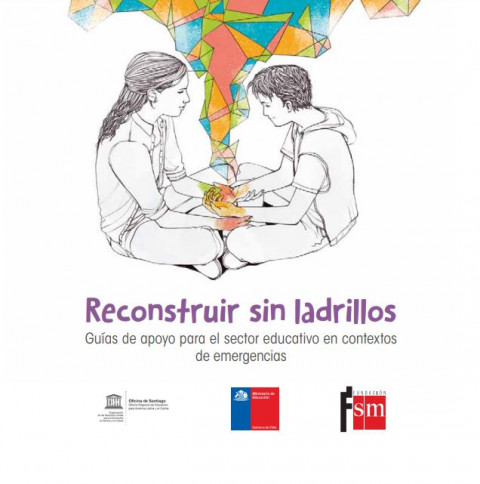 Reconstruir sin ladrillos: guías de apoyo para el sector educativo en contextos de emergencias 出版年份: 2017 作者: Griselda Amuchástegui | María Isabel del Valle | Henry Renna 机构作者: UNESCO Santiago La Educación es fundamental para todos los niños, niñas y jóvenes y más aún en situaciones de emergencia. Es una herramienta para el bienestar psico-social de las comunidades en la respuesta, de desarrollo de capacidades para la preparación y reducción del riesgo y de fortalecimiento local en la recuperación de los territorios. La educación es y debe ser un medio para mejorar y transformar las vidas y el hábitat del ser humano. También la Educación es un fin, en su búsqueda y construcción colectiva las personas regeneran relaciones, trazan proyectos comunes y fortalecen su auto-concepto. Ella no sólo contribuye al bienestar, la Educación es por misma un estar-bien colectivo, mejora nuestras habilidades, internaliza valores, contribuye al cambio social, a la salud y la vida sana, la cohesión local. Es un derecho y es también habilitador de otros derechos. Históricamente, ante desastres la Educación ha sido abordada a mediano y largo plazo en lugar de ser activada desde la fase de respuesta a emergencias; la ayuda humanitaria suele enfocarse en la provisión de alimentos, vivienda, agua, albergue, cuestiones imprescindibles pero que deben y pueden ser cruzadas con acciones del sector de Educación desde el primer momento. La Educación no puede esperar a tiempos más estables para su despliegue; debe ser garantizada en todo momento, en todo lugar y de todas las formas posibles como un Derecho Humano Fundamental.
  [Video] We must act now - for people and our planet 出版年份: 2019 机构作者: UN. Department of Economic and Social Affairs (UN. DESA) The world is facing challenges of an unprecedented nature. A polarized political landscape, worrisome signs of a global economic slow-down, growing inequalities, conflicts and a global environmental crisis. The evidence is clear: we must act now. The international community has a brief window of opportunity to accelerate action, using the plan in place to achieve a positive outcome for everyone: the 2030 Agenda for Sustainable Development and its 17 transformative Sustainable Development Goals (SDGs).
 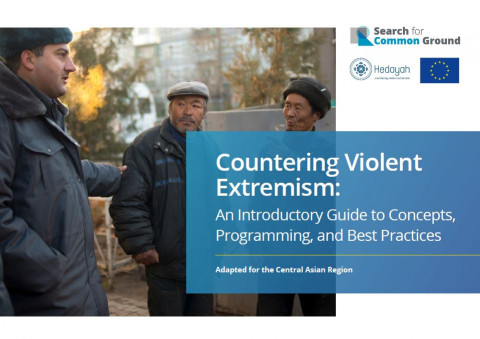 مكافحة التطرف العنيف: كتيب تمهيدي للمفاهيم والبرامج وأفضل الممارسات 出版年份: 2019 机构作者: Search for Common Ground ان مجال مكافحة التطرف العنيف يتطور وينمو سريعاً ونحن نتعلم من الممارسة والبحث. لذلك ، فإن هذه التغييرات السريعة جعلت من الصعب على الممارسين والعاملين في هذا المجال في الحكومة أو المجتمع المدني فهم أحدث الممارسات الجيدة والدروس المستفادة.هذا المنهج / الرزمة التدريبية هي محاولة للتغلب على هذه التحديات. لذا تم إعداد هذا المنهج لتدريب العاملين في مجال مكافحة التطرف العنيف في الحكومة والمجتمع المدني ، سواء كانت لديهم خبرة سابقة ام لا. تم تصميمه في عشر وحدات تعليمية مترافقة مع مواد تدريبية بما في ذلك دليل الميسرين ، وعروض الشرائح ، ومنشورات أخرى ، بالإضافة إلى ندوات مسجلة مسبقاً عبر الإنترنت للسماح للراغبين بالحصول على هذا التدريب. هذه المواد تشمل مجموعة من الأنشطة والروابط لمقاطع من الفيديوهات التوضيحية توفر مساحة للمناقشة والتفكير.يقدم هذا المنهاج برنامجًا تدريبيًا في سياق مكافحة التطرف العنيف ورفع الوعي ذات الصلة بسياقك بطريقة يمكن الوصول إليها. فهو يسلط الضوء على فوائد النهج التشاركي التي يتجاوز استخدام التدخل والاستجابة العسكرية في سياق التطرف العنيف، بالارتكاز على الممارسات الجيدة ، ويوفر الأدوات والإرشادات للتكيف بسهولة مع السياق والثقافات المحلية. أخيرًا ، يشجع هذا البرنامج على التحديد والإكتشاف المبكر للمخاطر وتخفيفها، فضلاً عن ضمان اتباع نهج عدم الإضرار.تم إنتاج هذا المنهج التدريبي من قبل منظمة البحث عن أرضية مشتركة بالتعاون مع هداية وبتمويل من قبل الاتحاد الأوروبي من خلال البرنامج العالمي STRIVE. Countering Violent Extremism: An Introductory Guide to Concepts, Programming, and Best Practices 出版年份: 2019 机构作者: Search for Common Ground This curriculum aims to update the best practices and experience gained in the process of countering violent extremism. The anti-violent extremism program, adapted for Central Asia, is designed to train civil servants and civil society organizations. This curriculum delivers a contextually literate countering violent extremism and awareness-raising training program that is relevant to your context in an accessible way. It highlights the benefits of collaborative approaches beyond the use of military or securitized responses to violent extremism, drawing on good practices, and offers tools and guidance for easy adaptation to your local context and cultures. Finally, it encourages the early identification and mitigation of risks with programming, as well as ensuring a Do No Harm approach.While this curriculum will offer guidance around how to design, implement, and monitor constructive responses to violent extremism, an understanding of project management is assumed. Therefore, it is not a training program on general project management skills, monitoring and evaluation, or on fundraising.Since the problem of violent extremism is complex and highly context-specific, it is also not a guide to the drivers of violent radicalization in your local context, nor does it proscribe the programs and policies that would be most effective. Instead, it introduces you to the guiding questions and tools necessary to make informed and effective choices in your own efforts to counter violent extremism.
  Transforming Systems in Times of Adversity: Education and Resilience; White Paper 出版年份: 2019 作者: Ritesh Shah 机构作者: United States Agency for International Development (USAID) This white paper was commissioned to provide USAID, including Missions, Regional Bureaus, Pillar Bureaus, and the Office of U.S. Foreign Disaster Assistance (OFDA), with an overview of global and Agency thinking and practice on education and resilience and a foundation and justification for positioning USAID education efforts more concretely within a resilience frame.The white paper is organized into three key sections. The first section outlines the business case for resilience, explaining how and why resilience is an important consideration for education programs to consider in contexts of crisis and conflict and how education is well poised as a sector to contribute to strengthening resilience. The second section presents a conceptual framework for understanding how resilience operates through and within the education sector and program interventions. The third section provides a series of key considerations for developing and supporting USAID education programs with a resilience lens or focus. Противодействие насильственному экстремизму: Вводное руководство по концепциям, разработке программ и передовой практике 出版年份: 2019 机构作者: Search for Common Ground Данная учебная программа направлена актуализацию передовых методов и опыта, накопленного в процессе противодействия насильственному экстремизму. Программа по противодействию насильственному экстремизму, адаптированная для Центральной Азии, предназначена для подготовки государственных служащих и работников из организаций гражданского общества. Это контекстуально грамотная и удобная для восприятия учебная программа по противодействию насильственному экстремизму и повышению осведомленности, учитывающая вашу специфику. В ней освещаются преимущества подходов к сотрудничеству, выходящих за рамки применения военных или секьюритизированных мер реагирования на насильственный экстремизм и подкрепленных передовой практикой, а также предлагаются инструменты и рекомендации для простойадаптации к вашим локальным условиям и культуре. Наконец, программа способствует раннему выявлению и смягчению рисков посредством разработки программ, а также использования подхода «Не навреди» (Do No Harm).Данная программа предлагает руководство по разработке, реализации и мониторингу конструктивных мер противодействия насильственному экстремизму, при этом также давая общее представление об управлении проектами. Таким образом, данная учебная программа не направлена на развитие общих навыков управления проектами, мониторинга и оценки или на привлечение средств. Поскольку проблема насильственного экстремизма сложна и в значительной степени зависит от локального контекста, программа также не является руководством по движущим силам радикализации в вашем местном контексте и не предлагает программы и политику, которые могли бы быть наиболее эффективными. Вместо этого программа познакомит вас с наводящими вопросами и инструментами, необходимыми для принятия обоснованных и эффективных решений в вашей работе по противодействию насильственному экстремизму.