
相关资源
探索丰富的全球公民教育资源,深化理解,促进研究、倡导、教学与学习。
共找到1,477条结果
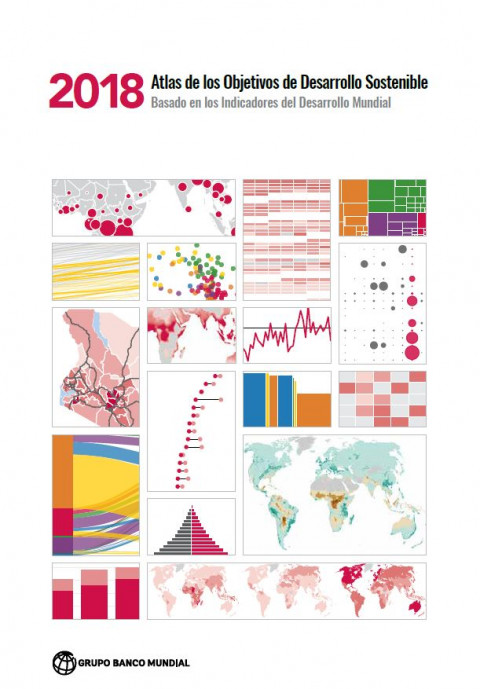 Atlas of the Sustainable Development Goals 2018 出版年份: 2018 机构作者: البنك الدولي للانشاء والتعمير Atlas of the Sustainable Development Goals 2018 presents maps, graphs and stories related to the SDGs. It discusses trends, comparisons and measurement issues using visible and accessible data. The data are based on the World Development Indicators database.
 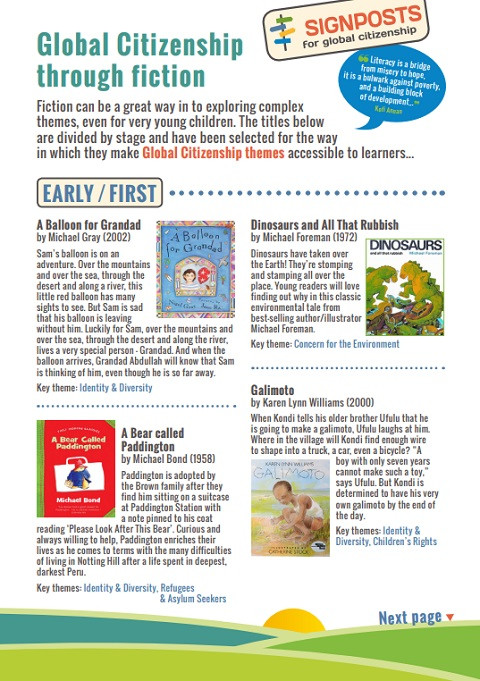 Global Citizenship through Fiction 出版年份: 2016 机构作者: Signposts | International Development Education Association Scotland (IDEAS) This flyer summarises a selection of texts linking global citizenship and fiction. There is a synopsis of each text and texts range from Early Years to Stage 2.
  Peace and Justice: It’s up to Youth; Resource Pack 出版年份: 2017 作者: Valerie Duffy | Ismael Hayden | Dermot O’Brien 机构作者: National Youth Council of Ireland (NYCI) | Irish Aid This resource for youth workers on Peace, Justice and the SDGs focuses on Goal 16. It provides activities and opportunities for young people (and those who work with young people) to engage more on key issues of our time, to reflect on root causes and consequences, and to clear a path for this generation to lay strong foundations for present and future pathways to peace, justice, equality, and human rights.
  학교 현장 적용을 위한 평화교육 정책 연구 出版年份: 2020 作者: 이대훈 机构作者: 서울특별시교육청 교육연구정보원 | 서울교육정책연구소 본 연구는 서울특별시교육청의 학교 평화교육 도입 및 시행을 위한 평화교육 개념 및 정책 방향을 설정하는 토대 연구이다. 이를 통해서 변화하는 한반도 현실에 적합한 평화교육 정책 모색하면서, 학교 현장의 필요에 적합한 평화교육의 내용 및 활성화 방법과 평화교육과 교과 교육과정과의 연계의 방향을 찾고자 한다. 본 연구에서 다루는 평화교육의 초점은 ‘평화역량’ 개념의 교육적 적용, 즉 평화역량 중심의 평화교육을 위한 정의와 프로그램이다. 이를 위해 국내외 주요 평화교육으로부터의 시사점, 서울특별시교육청의 평화교육 비전 설정 및 주제와 이행단계 설정, 교육 현장의 욕구 및 필요를 반영한 평화교육의 통합적 운영 방안을 제시한다. 서울특별시교육청교육연구정보원이(가) 창작한 [서교연2019-25]2019 위탁연구(학교 현장 적용을 위한 평화교육 정책 연구) 최종보고서 저작물은 "공공누리 제4유형(출처표시-상업적 이용금지-변경금지)" 조건에 따라 이용 할 수 있습니다.
 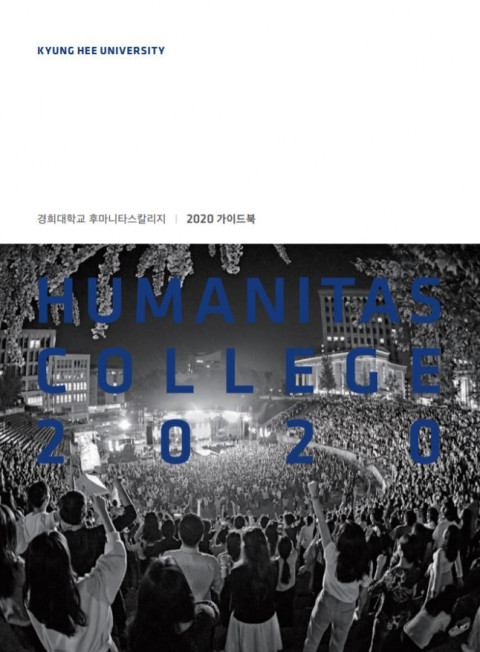 경희대학교 후마니타스칼리지 2020 가이드북 (Humanitas College 2020) 出版年份: 2020 机构作者: 경희대학교 후마니타스칼리지 신입생에게 후마니타스칼리지 교양교육에 대한 이해를 돕고, 후마가 한 해 동안 거둔 성과를 담은 『2020 후마니타스칼리지 가이드북』이 발간됐다. 후마는 2014년부터 해마다 가이드북을 발간하고 있다.『2020 후마 가이드북』에는 미래비전을 새로 정립하고 재도약에 나선 후마의 행보를 담았다. 신입생뿐 아니라 구성원 모두가 눈여겨볼 만하다. 대학 내에서의 세계시민교육 교과과정 및 현장 활동 우수 사례들을 담고 있으며 세계시민교육은 단순한 실험이나 실습이 아닌 ‘실천’임을 강조한다. 앞으로 세계시민교육을 수강하고 독립연구를 계획하는 학생들에게 도움이 될 것으로 보인다.
  Lignes directrices pour l'éducation mondiale: manuel pour les éducateurs à comprendre et à mettre en œuvre l'éducation globale 出版年份: 2008 机构作者: North-South Centre of the Council of Europe Ces lignes directrices Éducation de Globale sont le résultat d'un besoin exprimé par (NSC) Réseau d'éducation Globale praticiens du Centre Nord-Sud - le réseau de la semaine de l'éducation globale - d'avoir un outil commun, construit sur l'expérience acquise par le réseau et d'autres partenaires, à éducateurs de soutien pour comprendre et mettre en œuvre avec succès les initiatives de l’éducation globale. En offrant des perspectives sur l'éducation globale, ainsi que les méthodes et critères d'évaluation - y compris le partage des pratiques, des outils et des ressources - ces lignes directrices visent à renforcer l'ensemble des travaux pour l'éducation mondiale. Il vise à soutenir les praticiens Présent dans les formels et non formels paramètres général en introduisant des éléments qui peuvent être développés par eux aux besoins et selon en fonction de leurs propres expériences; les aider dans l'éducation globale Identifier les approches et pratiques existantes; les aider à réfléchir et à devenir plus conscients de leurs activités d'éducation globales propres; Augmenter le partage mondial de la pratique de l'éducation et de créer des synergies entre les parties prenantes; Contribuer aux politiques d'éducation au niveau local, régional, national et international. Les lignes directrices Éducation globalesont une initiative du Programme d’Éducation Globale du Centre Nord-Sud du Conseil de l'Europe, impliquant une équipe d'éducateurs du réseau Semaine de l'éducation mondiale qui a constitué l'équipe de rédaction avec le mandat de rédiger collectivement, les lignes directrices Education Mondiale. Le processus d'écriture a inclus une méthode participative à plusieurs niveaux de l'éducation conseil mondial parmi les éducateurs et les praticiens activement impliqués dans le Centre Nord-Sud de Éducation Globale et Jeunesse. En outre, un groupe de mentors a été identifié parmi les partenaires européens et internationaux de NSC, qui comprenait, entre autres, une équipe de formateurs de l'Université du NSC Jeunesse & Développement. Sujets présentés dans les lignes directrices visent à clarifier des questions clés liées à l'éducation globale; Il suggère à élaborer des stratégies sur la façon dont le contenu; mettre en avant AIMS, les compétences, les valeurs et les attitudes; offrir des conseils sur les méthodes, la conception des programmes et de l'évaluation et la liste des contacts, des liens utiles et bibliographie. Les lignes directrices doivent être considérées comme un processus continu de l'évolution, qui devrait être régulièrement revue avec de nouvelles idées, des intrants et des pratiques brought à partir d'une diversité de partenaires et de leurs expériences.
  Global Education Guidelines: A Handbook for Educators to Understand and Implement Global Education 出版年份: 2008 作者: Alicia Cabezudo | Christos Christidis | Miguel Carvalho da Silva | Valentina Demetriadou-Saltet | Franz Halbartschlager | Georgeta-Paula Mihai 机构作者: North-South Centre of the Council of Europe These Global Education Guidelines are the result of a need expressed by the North-South Centre’s (NSC) network of global education practitioners – the Global Education Week network - to have a common tool, built on experience gained by the network and other partners, to support educators to comprehend and successfully implement global education initiatives. By offering perspectives on global education as well as related methods and evaluation criteria – including sharing of practices, tools and resources - these Guidelines aim at strengthening the overall work for global education. It also aims at supporting practitioners in formal and non-formal education settings by introducing general elements which may be developed by them according to the needs and based on their own experiences; assist them in identifying existing global education approaches and practices; support them in reflecting on and becoming more aware of their own global education activities; increase global education practice sharing and create synergies between stakeholders; contribute to education policies at local, regional, national and international level.The Global Education Guidelines are an initiative of the Global Education Programme of the NorthSouth Centre of the Council of Europe, involving a team of educators from the Global Education Week network which constituted the drafting team with the mandate of drafting collectively the Global Education Guidelines. The writing process included a participatory method at several levels of consultancy amongst global education educators and practitioners actively involved with the North-South Centre global education and youth programmes. Moreover, a Group of Mentors was identified among NSC’s European and international partners, which included, inter alia, a team of trainers from the NSC’s University on Youth & Development.Topics presented in the Guidelines aim at clarifying fundamental questions related to global education; it suggest strategies on how to build contents; put forward aims, skills, values and attitudes; offer guidance on methods, curricular design and evaluation and list useful contacts, links and bibliography. The Guidelines should be regarded as an ongoing process of evolution, which should be regularly reviewed with new ideas, inputs and practices brought from a diversity of partners and their experiences. Pautas para una Educación Global : Manual para que los educadores comprendan e implementen la educación global 出版年份: 2008 作者: Alicia Cabezudo | Christos Christidis | Miguel Carvalho da Silva | Valentina Demetriadou-Saltet | Franz Halbartschlager | Georgeta-Paula Mihai 机构作者: North-South Centre of the Council of Europe Estas Pautas para la Educación Global son el resultado de (una) la necesidad expresada por la Red Norte-Sur-Centro (NSC – NSC sus siglas en inglés) de los partidarios de la educación global - la Red Semanal de Educación Global – quienes precisaban una herramienta común, basada en la experiencia adquirida por la red y otros compañeros, para asistir a los educadores en una mejor comprensión e implementación exitosa de iniciativas y acciones en el campo de la educación global.Las Pautas para una Educación Global son una iniciativa del Programa de Educación Global del Centro Norte-Sur del Consejo de Europa, que involucra a un equipo de educadores de la Red de la Semana de Educación Global con la misión de reunir colectivamente pautas para sus prácticas y actividades. El proceso de redacción del presente documento se realizó mediante un método participativo en varios niveles de consulta entre educadores y profesionales de la educación global activamente involucrados en programas para la juventud del Centro Norte-Sur. Además, se seleccionó un grupo de Asesores entre los socios europeos e internacionales del NSC que incluye, entre otros, a un grupo de instructores de la Universidad del NSC sobre Juventud y Desarrollo. Global education guidelines: a handbook for educators to understand and implement global education 出版年份: 2008 机构作者: North-South Centre of the Council of Europe These Global Education Guidelines are the result of a need expressed by the North-South Centre’s (NSC) network of global education practitioners – the Global Education Week network - to have a common tool, built on experience gained by the network and other partners, to support educators to comprehend and successfully implement global education initiatives. By offering perspectives on global education as well as related methods and evaluation criteria – including sharing of practices, tools and resources - these Guidelines aim at strengthening the overall work for global education. It also aims at supporting practitioners in formal and non-formal education settings by introducing general elements which may be developed by them according to the needs and based on their own experiences; assist them in identifying existing global education approaches and practices; support them in reflecting on and becoming more aware of their own global education activities; increase global education practice sharing and create synergies between stakeholders; contribute to education policies at local, regional, national and international level.The Global Education Guidelines are an initiative of the Global Education Programme of the NorthSouth Centre of the Council of Europe, involving a team of educators from the Global Education Week network which constituted the drafting team with the mandate of drafting collectively the Global Education Guidelines. The writing process included a participatory method at several levels of consultancy amongst global education educators and practitioners actively involved with the North-South Centre global education and youth programmes. Moreover, a Group of Mentors was identified among NSC’s European and international partners, which included, inter alia, a team of trainers from the NSC’s University on Youth & Development.Topics presented in the Guidelines aim at clarifying fundamental questions related to global education; it suggest strategies on how to build contents; put forward aims, skills, values and attitudes; offer guidance on methods, curricular design and evaluation and list useful contacts, links and bibliography. The Guidelines should be regarded as an ongoing process of evolution, which should be regularly reviewed with new ideas, inputs and practices brought from a diversity of partners and their experiences. Pautas para una educación global: manual para que los educadores comprendan e implementen la educación global 出版年份: 2008 机构作者: North-South Centre of the Council of Europe These Global Education Guidelines are the result of a need expressed by the North-South Centre’s (NSC) network of global education practitioners – the Global Education Week network - to have a common tool, built on experience gained by the network and other partners, to support educators to comprehend and successfully implement global education initiatives. By offering perspectives on global education as well as related methods and evaluation criteria – including sharing of practices, tools and resources - these Guidelines aim at strengthening the overall work for global education. It also aims at supporting practitioners in formal and non-formal education settings by introducing general elements which may be developed by them according to the needs and based on their own experiences; assist them in identifying existing global education approaches and practices; support them in reflecting on and becoming more aware of their own global education activities; increase global education practice sharing and create synergies between stakeholders; contribute to education policies at local, regional, national and international level.The Global Education Guidelines are an initiative of the Global Education Programme of the NorthSouth Centre of the Council of Europe, involving a team of educators from the Global Education Week network which constituted the drafting team with the mandate of drafting collectively the Global Education Guidelines. The writing process included a participatory method at several levels of consultancy amongst global education educators and practitioners actively involved with the North-South Centre global education and youth programmes. Moreover, a Group of Mentors was identified among NSC’s European and international partners, which included, inter alia, a team of trainers from the NSC’s University on Youth & Development.Topics presented in the Guidelines aim at clarifying fundamental questions related to global education; it suggest strategies on how to build contents; put forward aims, skills, values and attitudes; offer guidance on methods, curricular design and evaluation and list useful contacts, links and bibliography. The Guidelines should be regarded as an ongoing process of evolution, which should be regularly reviewed with new ideas, inputs and practices brought from a diversity of partners and their experiences.