
相关资源
探索丰富的全球公民教育资源,深化理解,促进研究、倡导、教学与学习。
共找到1,477条结果
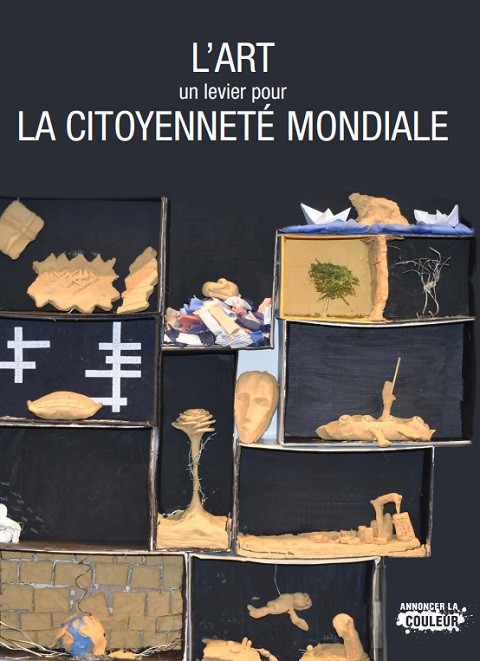 L’art: un levier pour la citoyenneté mondiale 出版年份: 2019 机构作者: Annoncer la Couleur (ALC) | Belgique Ce livre montre les avantages de proposer un moment de création artistique en ECM. L’art et la pédagogie du projet semblent être de très bons outils pour faire de l’ECM en milieu scolaire. Ce dossier s’appuie sur les expériences des enseignant∙e∙s qui ont mené un projet avec le soutien d’Annoncer la Couleur (ALC) et avec des artistes qui interviennent en milieu scolaire1.
  Guide pratique sur l’éducation à la citoyenneté mondiale : Concepts et methodologies en matière d’éducation à la citoyenneté mondiale à l’usage d’éducateurs et de responsables politiques 出版年份: 2008 作者: Alicia Cabezudo | Christos Christidis | Miguel Carvalho da Silva | Valentina Demetriadou-Saltet | Franz Halbartschlager | Georgeta-Paula Mihai 机构作者: North-South Centre of the Council of Europe Ce guide pratique sur l’éducation à la citoyenneté mondiale a émané du besoin exprimé par les praticiens du réseau de la Semaine de l’éducation à la citoyenneté mondiale du Centre Nord Sud (CNS), de disposer d’un instrument commun, façonné à la lumière de l’expérience acquise par le réseau et d’autres partenaires, qui pourrait aider les éducateurs à comprendre et à mener à bien des initiatives en matière d’éducation à la citoyenneté mondiale.En offrant des points de vue sur l’éducation à la citoyenneté mondiale ainsi que les méthodes et les critères d’évaluation qui s’y appliquent, notamment en termes d’échange de pratiques, d’outils et de ressources, ce guide pratique étoffe le travail de fond en matière d’ECM. Il apporte, par ailleurs, une aide aux praticiens opérant dans les secteurs formels et non formels de l’éducation : premièrement, en introduisant des éléments primaires que ces premiers peuvent développer au gré de leurs besoins et de leur propre expérience ; deuxièmement, en identifiant des approches et des pratiques déjà en œuvre en matière d’éducation à la citoyenneté mondiale ; troisièmement, en les invitant à réfléchir et à devenir plus conscients de leurs propres activités dans ledit domaine ; quatrièmement, en amplifiant l’échange de pratiques et en créant des synergies entre les parties prenantes ; cinquièmement, en contribuant à la définition des politiques éducationnelles au niveau local, régional, national et international.
  Décode la h@ine! Jette la violence!: Guide de prévention contre les discours de haine en ligne à l'usage des 12-18 ans 出版年份: 2019 作者: Khalid Aoutail 机构作者: UNESCO Rabat Ce guide, conçu à partir d'une collecte des données sur l'expression de la haine en ligne sous toutes ses formes, et de leur analyse, propose des modules simples à comprendre afin d'accompagner celles et ceux qui le souhaitent dans la création d'un réseau virtuel d'échange pacifié. Les recommandations présentes ici ne se limitent pas à l'expression de la haine en ligne mais abordent toutes les formes de violences qui peuvent exister.
  Methodological Mosaic: Diverse Paths to Reflect in Schools on the Value of Truth as a Fundamental Public Good for Peace in Colombia 出版年份: 2018 作者: Juana Yuniz 机构作者: EDUCAPAZ This publication reflects the work carried out by the National Program of Education for Peace EDUCAPAZ and the Truth Commission in Colombia, for education in schools that want to reflect on the value of truth in the reconstruction of memory, forgiveness and reconciliation. It presents the five proposed paths to achieve it. Mosaico Metodológico: Caminos diversos para reflexionar en las escuelas sobre el valor de la verdad como bien público fundamental para la paz de Colombia 出版年份: 2018 作者: Juana Yuniz 机构作者: EDUCAPAZ Esta publicación recoje el trabajo desarrollado por el Programa Nacional de Educación para la Paz EDUCAPAZ y a Comisión de la Verdad en Colombia, para el trabajo pedagógico en escuelas que quieran reflexionar sobre el valor de la verdad en la reconstrucción de la memoria, el perdón y la reconciliación. Presenta los cinco caminos propuestos para lograrlo.
 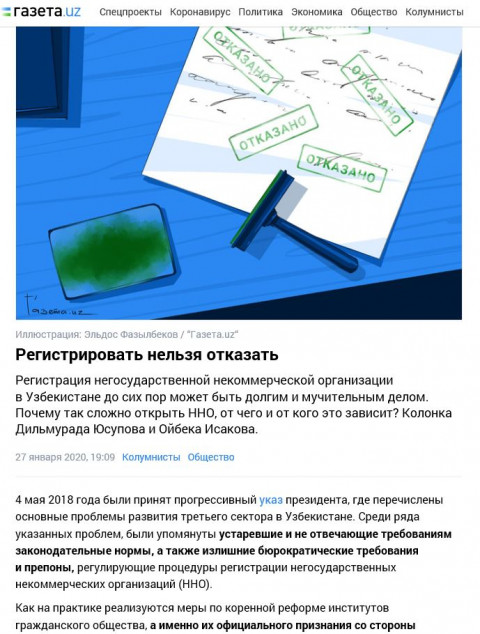 Registration or Block? 出版年份: 2020 作者: Dilmurod Yusupov | Oybek Isakov Registration of a non-governmental non-profit organization in Uzbekistan can still be a long and painful affair. The article discusses why it is so difficult to open an NGO, what and whom it depends on. Регистрировать нельзя отказать 出版年份: 2020 作者: Dilmurod Yusupov | Oybek Isakov Регистрация негосударственной некоммерческой организации в Узбекистане до сих пор может быть долгим и мучительным делом. В статье рассматривается, почему так сложно открыть ННО, от чего и от кого это зависит.
 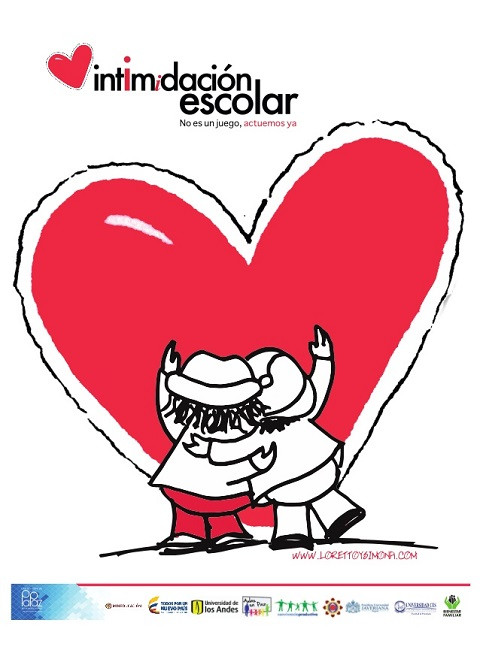 Kit Papaz for Bullying and Cyberbullying Prevention and Intervention 出版年份: 2014 作者: Lina Saldarriaga | José Fernando Mejía | Enrique Chaux | Andrea Bustamante | Melisa Castellanos | Manuela Jiménez | María Isabel Mejía 机构作者: Red Papaz | ICBF This Kit is a tool for parents, teachers and caregivers to know what bullying and cyberbullying are, how they can prevent and manage them, and promote healthy school and family coexistence. Kit PaPaz para la prevención y manejo de la intimidación escolar y el ciberacoso 出版年份: 2014 作者: Lina Saldarriaga | José Fernando Mejía | Enrique Chaux | Andrea Bustamante | Melisa Castellanos | Manuela Jiménez | María Isabel Mejía 机构作者: Red Papaz | ICBF Este Kit es una herramienta para que padres, madres docentes y cuidadores conozcan qué son la intimidación escolar y el ciberacoso, cómo pueden prevenirlos y manejarlos y promover la sana convivencia escolar y familiar.
  Virtual Conference: How Can We Prevent Bullying and Cyberbullying? 出版年份: 2019 作者: Enrique Chaux 机构作者: Red Papaz This conference presents strategies that can contribute to preventing and managing bullying and cyberbullying situations, especially emphasizing the role that mothers, fathers, caregivers and teachers can have.