
相关资源
探索丰富的全球公民教育资源,深化理解,促进研究、倡导、教学与学习。
共找到1,477条结果
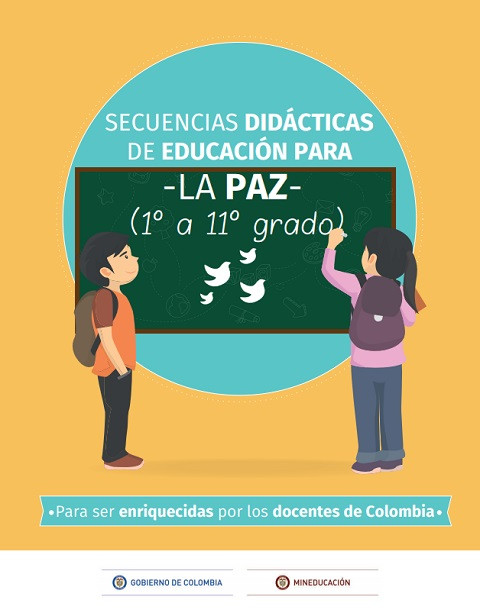 Secuencias didácticas de educación para la paz 出版年份: 2016 作者: Enrique Chaux | José Fernando Mejía | Juanita Lleras | David Guáqueta | Andrea Bustamante | Gloria Inés Rodríguez | Paula Andrea Pineda | Alexander Ruiz-Silva | Carolina Valencia | Charlotte Greniez | Daniel García | Sara Victoria Alvarado | Ana María Velásquez 机构作者: Colombia. Ministerio de Educación Nacional En este documento se proponen ejemplos de secuencias didácticas de Educación para la Paz para cada uno de los grados desde 1º hasta 11º. Una secuencia didáctica puede comprenderse como la descripción detallada de una serie de planeaciones de clases articuladas de una manera coherente. Las secuencias propuestas incluyen entre 4 y 7 sesiones de clase de aproximadamente 50 minutos cada una. Buscan ser consistentes con las Orientaciones Generales para la Implementación de la Cátedra de la Paz y con la Propuesta de Desempeños de Educación para la Paz.
 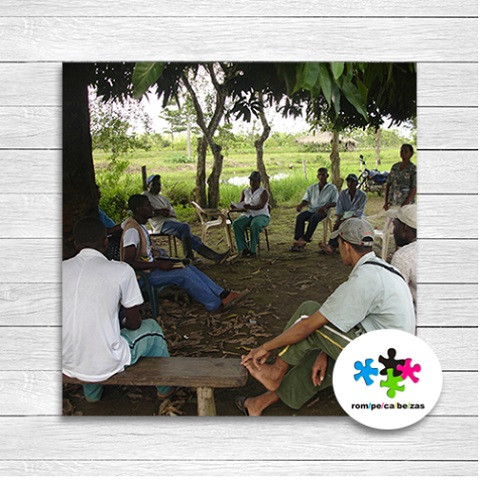 What Does Peace Sound Like? Education for Coexistence 出版年份: 2015 作者: María Del Carmen Muñoz | Marco Fidel Vargas 机构作者: Center for Research and Popular Education / Program for Peace (CINEP/PPP) This podcast discusses education for peace in Colombia and how it contributes to overcoming violence and promoting coexistence. ¿A qué suena la paz? Educación para la convivencia 出版年份: 2015 作者: María Del Carmen Muñoz | Marco Fidel Vargas 机构作者: Center for Research and Popular Education / Program for Peace (CINEP/PPP) En este podcast se discute acerca de la educación para la paz en Colombia y cómo contribuye a la superación de la violencia y a a promoción de la convivencia.
  What Does Peace Sound Like? Reconciliation, an Exercise for Everyone 出版年份: 2015 作者: Leonel Narváez | Magda López | María Angéliza Bueno 机构作者: Center for Research and Popular Education / Program for Peace (CINEP/PPP) This podcast analyzes the concept of reconciliation and the challenges that Colombia faces in a possible post-agreement scenario with the FARC guerrilla. What contributions should be made from public policy to continue seeking paths for reconciliation? What is the role of citizens to carry out this process successfully? Are we ready to reconcile? ¿A qué suena la paz? La reconciliación, un ejercicio de todos 出版年份: 2015 作者: Leonel Narváez | Magda López | María Angéliza Bueno 机构作者: Center for Research and Popular Education / Program for Peace (CINEP/PPP) En este podcast se analiza el concepto de reconciliación y los retos que enfrenta Colombia de cara a un posible escenario de posacuerdo con las FARC. ¿Qué aportes se deben hacer desde la política pública para continuar procurando caminos para la reconciliación? ¿Cuál es el papel de los ciudadanos y las ciudadanas para llevar a cabo este proceso satisfactoriamente? ¿Estamos listos para reconciliarnos?
 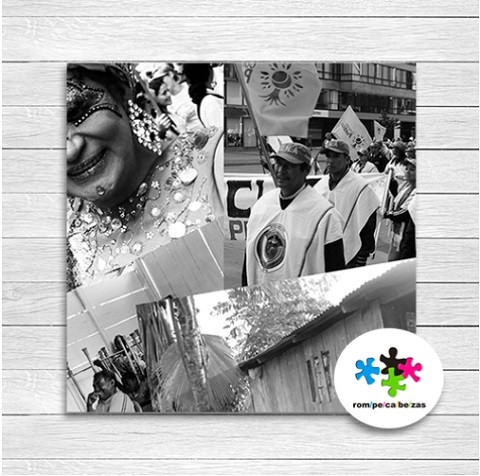 Human Rights Defense in Colombia: A Bet in the Midst of Adversity 出版年份: 2015 作者: Petrit Baquero | Nancy Arévalo | Claudia Erazo 机构作者: Center for Research and Popular Education / Program for Peace (CINEP/PPP) This podcast analyzes the panorama of human rights in Colombia and the protection of its defenders, in a context full of challenges and threats to their lives. Defensa de los DD. HH. en Colombia: Una apuesta en medio de la adversidad 出版年份: 2015 作者: Petrit Baquero | Nancy Arévalo | Claudia Erazo 机构作者: Center for Research and Popular Education / Program for Peace (CINEP/PPP) This podcast analyzes the panorama of human rights in Colombia and the protection of its defenders, in a context full of challenges and threats to their lives.
  Basic Elements of Forgiveness and Reconciliation Theory 出版年份: 2018 作者: Leonel Narváez Gómez 机构作者: Fundación para la Reconciliación This text presents the theoretical bases for forgiveness and reconciliation that support the pedagogy and actions of the Foundation for Reconcilation. Elementos básicos de la teoría del Perdón y la Reconciliación 出版年份: 2018 作者: Leonel Narváez Gómez 机构作者: Fundación para la Reconciliación En este texto se presentan las bases teóricas para el perdón y la reconciliación que sustentan la pedagogía y acciones de la Fundación para la Reconcliación.
  Citizenship Competencies: From the Standards to the Classroom; Proposal for Integration into Academic Areas 出版年份: 2004 作者: Enrique Chaux | Juanita Lleras | Ana María Velásquez 机构作者: Colombia. Ministerio de Educación Nacional | Universidad de los Andes This book presents a proposal on how citizenship education can be promoted in schools. It offers ideas on how to integrate citizenship education within the daily life of educational institutions and, in particular, with education in traditional academic areas, with concrete examples of activities that can be implemented in the classroom.