
相关资源
探索丰富的全球公民教育资源,深化理解,促进研究、倡导、教学与学习。
共找到1,447条结果
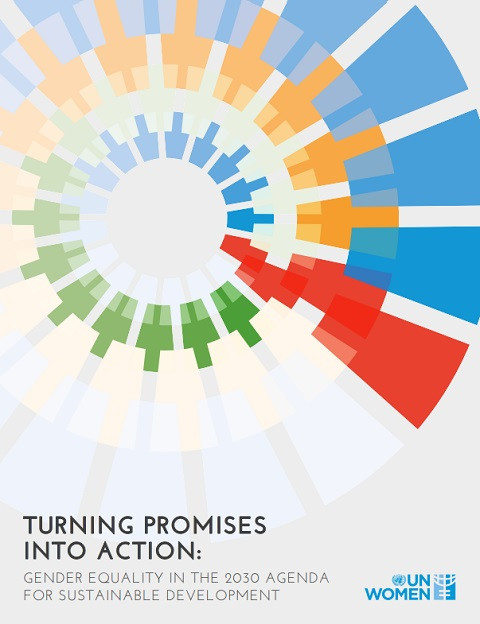 Traduire les promesses en actions : L’égalité des sexes dans le Programme de développement durable à l’horizon 2030 出版年份: 2018 机构作者: United Nations Entity for Gender Equality and the Empowerment of Women (UN Women) « Traduire les promesses en actions : l’égalité des sexes dans le Programme de développement durable à l’horizon 2030 » offre une évaluation exhaustive et fiable des progrès, des manquements et des difficultés dans la mise en œuvre des Objectifs de développement durable (ODD) dans une perspective de genre. Ce rapport analyse, sur la base des données disponibles, les grandes tendances mondiales et régionales dans la réalisation des ODD pour les femmes et les filles, et offre des conseils pratiques pour la mise en œuvre de politiques et de processus de responsabilisation sensibles au genre. En tant que source de données et d’analyse des politiques de grande qualité, le rapport constitue une référence et un outil de responsabilisation clé pour les décideurs politiques, les organisations de femmes, le système des Nations Unies, et d’autres parties prenantes. Hacer las promesas realidad: La igualdad de género en la agenda 2030 para el desarrollo sostenible 出版年份: 2018 机构作者: United Nations Entity for Gender Equality and the Empowerment of Women (UN Women) “Hacer las promesas realidad: La igualdad de género en la Agenda 2030 para el Desarrollo Sostenible” presenta una evaluación exhaustiva y fidedigna de los avances, dificultades y posibilidades de la aplicación de los Objetivos de Desarrollo Sostenible (ODS) desde una perspectiva de género. El informe hace seguimiento de las tendencias mundiales y regionales con miras a la consecución de los ODS para las mujeres y las niñas sobre la base de los datos disponibles, y ofrece orientación práctica para la ejecución de políticas sensibles al género y los consiguientes procesos de rendición de cuentas. Como fuente de análisis de alta calidad de datos y políticas, el informe es una referencia e instrumento de rendición de cuentas esencial para responsables de la formulación de políticas, organizaciones de mujeres, el sistema de las Naciones Unidas y otras partes interesadas.
 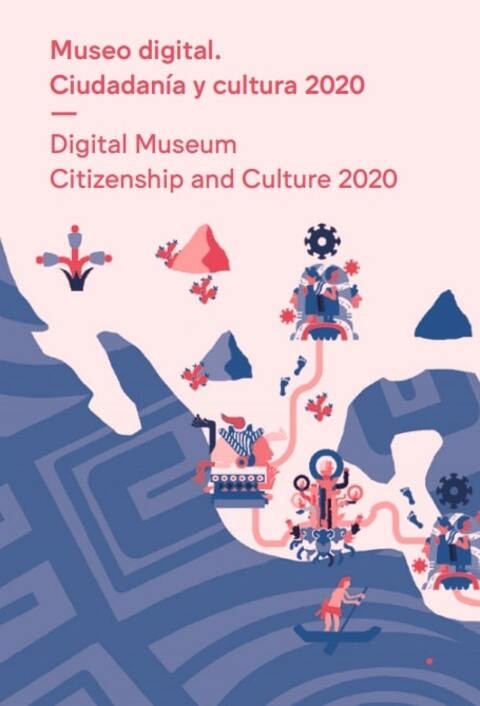 Digital Museum: Citizenship and Culture 2020 出版年份: 2022 机构作者: National Autonomous University of Mexico (UNAM) Conversations about digitality and museums were transformed, as a result of the COVID-19 pandemic, towards actions and topics related to the creation of content with perspectives of building a digital citizenship where activism, free access and the exercise of cultural rights They are confronted with the paradoxes of the privatization of knowledge, job insecurity, 2.0 exploitation systems and the emergence of asymmetrical time horizons. This publication expands on the conferences, dialogues, workshops and case studies presented at the homonymous meeting held in November 2020. Museo digital: Ciudadanía y cultura 2020 出版年份: 2022 机构作者: National Autonomous University of Mexico (UNAM) Las conversaciones sobre digitalidad y museos se transformaron, a raíz de la pandemia por COVID-19, hacia acciones y temas relativos a la creación de contenidos con perspectivas de construcción de una ciudadanía digital donde el activismo, el acceso libre y el ejercicio de derechos culturales se confrontan con las paradojas de la privatización de saberes, la precarización laboral, los sistemas de explotación 2.0 y la emergencia de horizontes temporales asimétricos. Esta publicación expande las conferencias, diálogos, talleres y estudios de caso presentados en el encuentro homónimo celebrado en noviembre de 2020.
 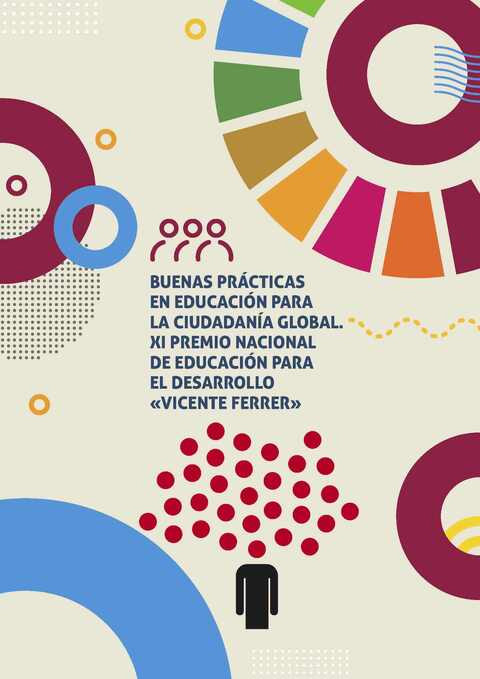 Good Practices in Education for Global Citizenship: XI Edition of the “Vicente Ferrer” National Prize for Education for Development 出版年份: 2021 作者: Rosa Elena Román Pajares | Concepción Aránzazu Vilor Barros | Jose Manuel de Frutos San Miguel | Lara Ormeño Vasco | Uxua Azpiroz Armendáriz | Susana Álvarez Martínez | Liliana Piñeiro Piñeiro | Silvia Lijó López | Clara Díaz-Salazar de la Flor | Susana Gómez Garzón | Encarnación Díaz Carmona | Isabel Santacruz Prieto | José Antonio Guillén Medina | Raquel Jiménez Gutiérrez | Josefa Mª Amorós Campos | Raimundo Fenoll Pellin | Mª Teresa García de Dios | Juan Antonio Pérez Orquín | Mª José Amorós Martínez | Mª Paz Ruiz Barrero | María Soledad Aneas Franco | Isabel Hermoso Lorente | José Julio Fuentes López | Mª Covadonga Villimer Sandoval | Luis Agudo Jiménez | David Jiménez Góme 机构作者: Spain. Ministry of Foreign Affairs, European Union and Cooperation (MAEUEC) | Spanish Agency for International Development Cooperation (AECID) This publication is part of the Collection of good practices in education for global citizenship that the MEFP and the AECID have been publishing since the first edition of the “Vicente Ferrer” National Education Award for development and includes, in this new format, the 15 winning proposals from the 11th edition of 2019. The “Vicente Ferrer” National Development Education Award aims to empower students so that the 2030 Agenda and the Sustainable Development Goals are the engine of change that the planet needs for its advancement and transformation, both on the social and environmental levels. The Award promotes the sense of global citizenship, respect and care for the environment, as well as the values of social justice, solidarity, equality, inclusion and peace. Buenas prácticas en educación para la ciudadanía global: XI edición Premio Nacional de Educación para el Desarrollo "Vicente Ferrer" 出版年份: 2021 作者: Rosa Elena Román Pajares | Concepción Aránzazu Vilor Barros | Jose Manuel de Frutos San Miguel | Lara Ormeño Vasco | Uxua Azpiroz Armendáriz | Susana Álvarez Martínez | Liliana Piñeiro Piñeiro | Silvia Lijó López | Clara Díaz-Salazar de la Flor | Susana Gómez Garzón | Encarnación Díaz Carmona | Isabel Santacruz Prieto | José Antonio Guillén Medina | Raquel Jiménez Gutiérrez | Josefa Mª Amorós Campos | Raimundo Fenoll Pellin | Mª Teresa García de Dios | Juan Antonio Pérez Orquín | Mª José Amorós Martínez | Mª Paz Ruiz Barrero | María Soledad Aneas Franco | Isabel Hermoso Lorente | José Julio Fuentes López | Mª Covadonga Villimer Sandoval | Luis Agudo Jiménez | David Jiménez Góme 机构作者: Spain. Ministry of Foreign Affairs, European Union and Cooperation (MAEUEC) | Spanish Agency for International Development Cooperation (AECID) Esta publicación forma parte de la Colección de buenas prácticas en educación para la ciudadanía global que el MEFP y la AECID han venido publicando desde la primera edición del Premio Nacional de Educación para el desarrollo "Vicente Ferrer" y recoge, en este nuevo formato, las 15 propuestas ganadoras de la XI edición del 2019. El Premio Nacional de Educación para el Desarrollo "Vicente Ferrer" pretende empoderar al alumnado para que la Agenda 2030 y los Objetivos de Desarrollo Sostenible sean el motor de cambio que el planeta necesita para su avance y transformación, tanto en el plano social, como en el ambiental. El Premio impulsa el sentido de ciudadanía global, el respeto y el cuidado del medio ambiente, así como los valores de justicia social, solidaridad, igualdad, inclusión y paz.
 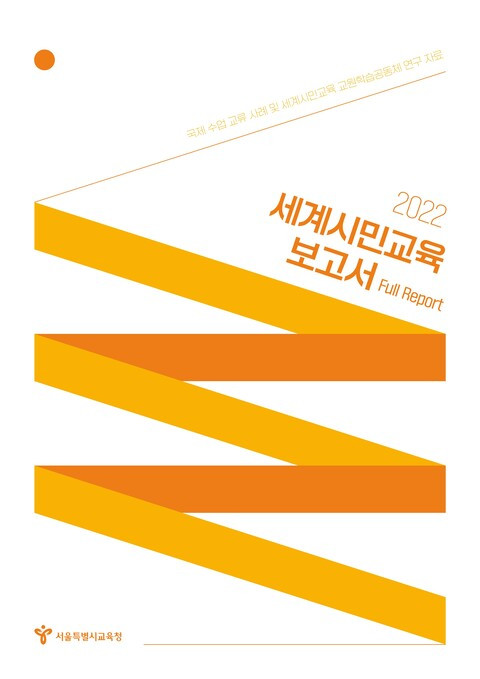 2022 세계시민교육 보고서: 국제 수업 교류 사례 및 세계시민교육 교원학습공동체 연구 자료 出版年份: 2022 机构作者: 서울특별시교육청 2022 세계시민교육 보고서는 크게 두 파트로 나누어 Part.1에서는 국내 12개 초·중·고등학교의 국제 수업 교류 사례와 수업설계, 학습지도안 활동사진 등을 담고 있고 Part. 2에서는 수달스, 더불어 평화 등 5개 세계시민교육 교원학습공동체의 연구 자료를 수록하고 있다.
 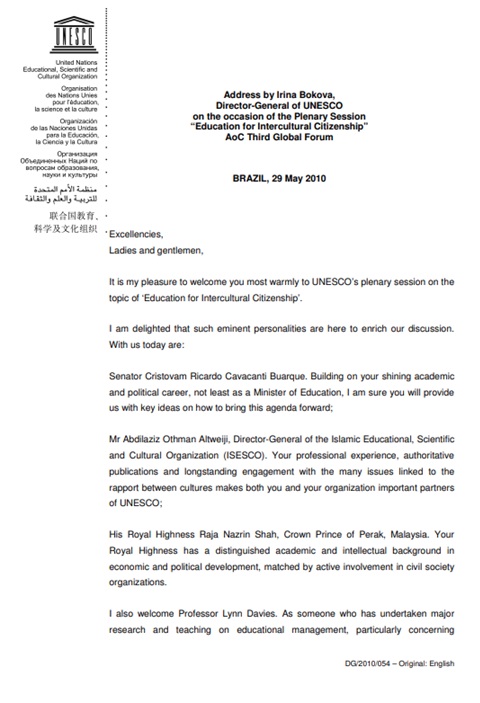 Address by Irina Bokova, Director-General of UNESCO on the occasion of the Plenary Session: Education for Intercultural Citizenship, AoC Third Global Forum; Brazil, 29 May 2010 出版年份: 2010 机构作者: UNESCO. Director-General, 2009-2017 (Bokova, I.G.) This is an address by Irina Bokova, Director-General of UNESCO on the occasion of the plenary session for Education for Intercultural Citizenship in Brazil, on 29 May 2010. She insisted the importance of education for 'Learning to Live together'. She also highlited education for inter-cultural understanding as an important theme for the 21st centry.
 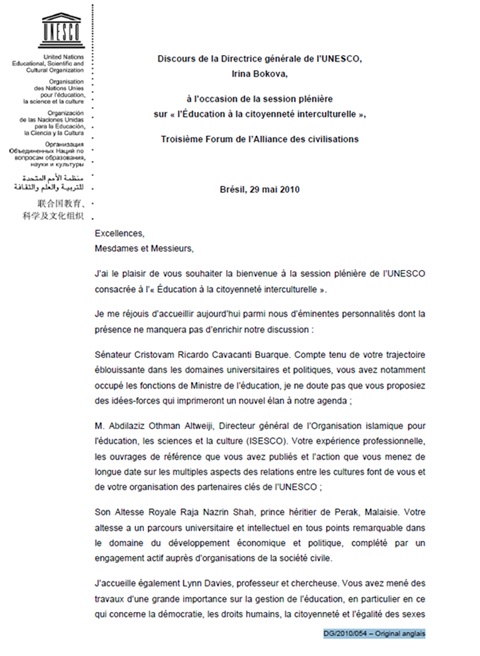 Discours de la Directrice générale de l'UNESCO, Irina Bokova, à l'occasion de la session plénière sur l'Éducation à la citoyenneté interculturelle, troisième Forum de l'alliance des civilisations, Brésil, 29 mai 2010 出版年份: 2010 作者: UNESCO. Director-General, 2009-2017 (Bokova, I.G.) 机构作者: UNESCO. Director-General, 2009-2017 (Bokova, I.G.) Ceci est une adresse par Irina Bokova, Directrice générale de l'UNESCO à l'occasion de la session plénière de l'éducation à la citoyenneté interculturelle au Brésil, le 29 mai 2010. Elle a insisté sur l'importance de l'éducation pour «Apprendre à vivre ensemble». Elle a également highlited éducation pour la compréhension inter-culturelle comme un thème important pour le 21e centry.
  Global citizenship education: the school as a foundation for a fair world 出版年份: 2009 机构作者: Conectando Mundos Consortium (Cidac, inizjamed, Intermon Oxfam, Ucodep) This publication is based on an initiative about the development education, intercultural education, popular education, the education of values, human rights education, education for sustainability, education for peace, education for gender equality, etc. The pedagogical proposal of Global Citizenship Education aspires to integrate in a coherent and challenging vision all these themes, keeping them in a close relationship with one another and taking into consideration the (increasing) interdependence of human beings living in a planet whose sustainability is under threat. This book is the fruit of a process that was triggered off by the joint effort of four European development NGOs, namely Cidac, Inizjamed, Intermón Oxfam and Ucodep within the frame of a project co-financed by the European Commission. These organisations set for themselves the objective to promote the acknowledgment and the inclusion of the contents and the methodology of Global Citizenship Education in the formal educational contexts in their respective countries, in order to kick-start a process of change in attitudes, values, and the beliefs of the pupils. Thanks to the initiative and efforts of the above-mentioned four organisations, and through various meetings and seminars carried out over the last three years in Spain, Italy, Portugal and Malta, groups of educators have been able to come face-to-face with each other, exchange experiences and reflect on the role of formal education with respect to the challenges of our times. Among the other experiences, the publication contains that of a key moment in the process. This took place in July 2008 in Cortona, a small and beautiful Tuscan city close to the border with Umbria, and in which many educators shared the benefit of what was the first international encounter of educators for global citizenship. The Cortona experience, in which around ninety teachers coming from Spain, Portugal, Malta, Italy, the Dominican Republic and Costa Rica have participated, was one of the stages – the starting point, in fact – of a process and a relationship that it is our aim to develop at the regional, national and international levels. In this publication, therefore, one can find theoretical cues put forward at Cortona that encourage educators to share their experiences and to compare the work done by different groups.This publication has two parts. The first part contains contributions of a theoretical type, whereas the second part concentrates on the educational experiences of the participants in the Cortona meeting.