
相关资源
探索丰富的全球公民教育资源,深化理解,促进研究、倡导、教学与学习。
共找到1,477条结果
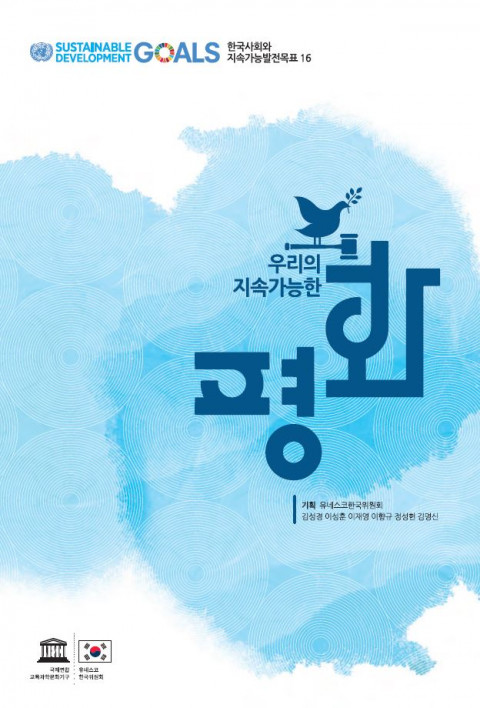 한국사회와 지속가능발전목표 16: 우리의 지속가능한 평화 出版年份: 2019 作者: 김성경 | 이성훈 | 이재영 | 이향규 | 정성헌 | 김명신 机构作者: 유네스코한국위원회 유네스코한국위원회는 좀더 많은 사람들이 SDGs를 쉽게 이해하도록 돕기 위해 ‘한국사회와 지속기능발전목표’ 라는 이름 아래 SDGs 해설서를 발간하고 있습니다.16번 해설서인 『한국사회와 지속가능발전목표 16: 우리의 지속가능한 평화』 는 남북 분단 상황 속에서 점차 다문화사회로 변화해가는 오늘날 우리의 일상이 어떻게 하면 더욱 포용적으로 발전할 수 있을지에 대한 이야기로 독자 여러분의 이해를 돕기 위해 각 분야의 전문가들을 인터뷰한 내용으로 구성돼 있습니다.
  Preparing teachers to educate for 21st century global citizenship:envisioning and enacting 出版年份: 2014 作者: Linyuan Guo 机构作者: Centennial College The changing educational landscape in the global context and the increasing interconnectedness and interdependence of the world have placed unprecedented demands on teacher education programs in preparing teachers to educate for 21st century global citizenship in K-12 schools. To chart the course of preparing global educators for an interconnected world, the Faculty of Education at the University of Prince Edward Island (UPEI) and UNICEF Canada have collaboratively developed an undergraduate course, entitled Educating for Global Citizenship. It focuses on preparing educators to teach for 21st century global citizenship and has been integrated into UPEI’s teacher preparation program as a compulsory course. This paper is based on a three-year study examining teacher candidates' experiences in learning to educate for global citizenship, the changes of their perceptions on global citizenship education, and the challenges and achievements they experienced in educational practices. Findings from this study indicate the unique opportunities and challenges teachers face in learning to educate for global citizenship and suggest the necessity of integrating global citizenship education in teacher education programs through a holistic approach.
  Planetary Citizenship 出版年份: 2016 作者: Edgar Montiel The blog contains and article where many worldiwide problems that humans are facing are described, and it states that it is necessary to modifiy the way in which we live by adopting a practical education that will enable sustainable life in the planet as it would consider environmental sustainability and peaceful international cooperation from diverse perspectives. Ciudadanía Planetaria 出版年份: 2016 作者: Edgar Montiel El blog contiene un artículo donde se describen los problemas actuales que enfrenta la humanidad a escala planetaria y se arguye que se precisas modificar la forma en que vivimos adoptando una educación práctica de vida sostenible que tenga en cuenta el medio ambiente y la cooperación internacional pacífica desde la diversidad.
 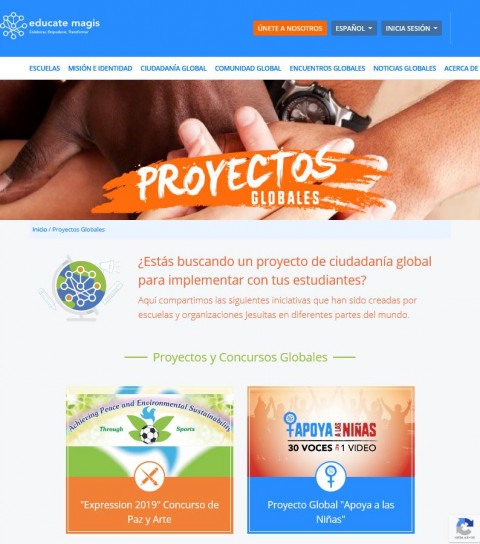 Are You Looking for a Global Citizenship Project to Implement with Your Students?: Global Projects and Contests 出版年份: 2019 机构作者: Educate Magis In this part of the Educate Magis' webpage from the Society of Jesus one can access a calendar with global activities and events and information about different initiatives that have been organized by different jesuit schools and organizations around the world. One can access different global citizenship educational projects such as "Global red chair", "Walk a mile in my shoes", or "Stand with Girls global project". ¿Estás buscando un proyecto de ciudadanía global para implementar con tus estudiantes?: Proyectos y Concursos Globales 出版年份: 2019 机构作者: Educate Magis En este espacio de la página web de Educate Magis de la Comunidad de Jesús se accede a un calendario de actividades y eventos a nivel global y a información sobre iniciativas que han sido creadas por escuelas y organizaciones Jesuitas en diferentes partes del mundo. Se accede a distintos proyectos educatiovs para fomentar una ciudadanía mundial como "La silla roja global", "Camina una milla en mis zapatos", o "Únete a las niñas".
  International Education Course 出版年份: 2019 作者: Juan Ignacio Martínez de Morentin | Concepción Medrano 机构作者: UNESCO Chair in Communication and Educational Values UNESCO understands international education as a process resulting from international understanding, cooperation, peace and global citizenship education. This results from combining three perspectives: the first, human rights--in a strict sense--the second, fundamental liberties--stressing its possibilities and requirements--and the third, the United Nations system--understanding the way in which it is committed to achieving peace.International education is education for international understanding. This understanding must impregnate all of its educational systems, actions and materials. It is not a separate course. Instead, it must be present in all courses. International education or education for international understanding is the entire programme, the motivation behind any teaching & learning process. This course explains ideas and models that UNESCO has worked with in order to clarify what it aims for in education. This is seen through the resolutions of the general conferences and the Executive Board decisions, which are UNESCO´s framework in defining international education. Curso de Educación Internacional 出版年份: 2019 作者: Juan Ignacio Martínez de Morentin | Concepción Medrano 机构作者: UNESCO Chair in Communication and Educational Values Para la UNESCO, la educación internacional es un proceso que desemboca en comprensión, educación para la ciudadanía, cooperación y paz internacionales.Este resultado depende de conjugar tres perspectivas: derechos humanos -sumergiéndose en su significado-, libertades fundamentales -ejercitando sus posibilidades y exigencias- y sistema de las Naciones Unidas -conociendo esa forma de comprometerse en el logro de la paz. La educación internacional es educación para la comprensión internacional.Y ha de impregnar todas las acciones y materias del sistema educativo. No es una asignatura aparte; ha de articularse con todas ellas. La educación internacional o educación para la comprensión internacional es el programa, la motivación de cualquier proceso de enseñanza/aprendizaje.Este curso muestra ideas y diseños que la UNESCO ha ido trabajando para llegar a clarificar lo que persigue en el ámbito educativo. Las resoluciones de las conferencias generales y las decisiones del Consejo Ejecutivo son mimbres utilizados por la UNESCO para definir la educación internacional.
 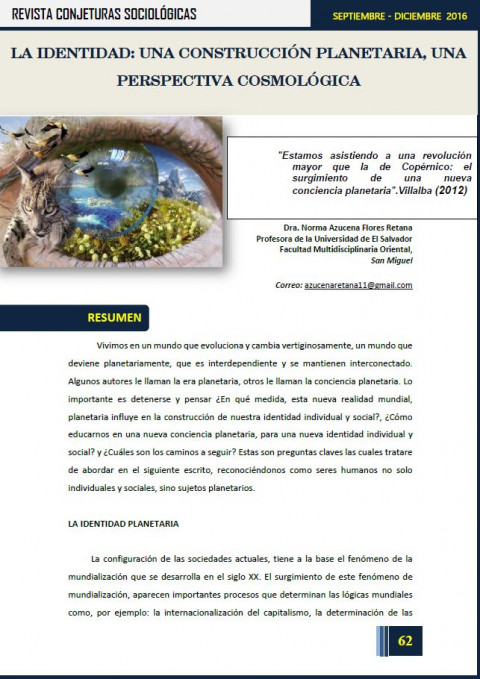 Identity: A Planetary Construction, a Cosmological Perspective 出版年份: 2016 作者: Norma Azucena Flores Retana In the article the author asks herself what a planetary citizenship is and how it should be promoted. She starts by questioning econocimic perspectives and ends by focusing on an ideal based on solidarity. In the article summary she states: "We live in a world that evolves and changes at a very high speed, a world that is become planetary, that is interdependant and interconnected. Some authors call it the planetary era, others a planetary consciousness. The important thing is to stop and think. Up to what extent, this new world reality, planetary, influences our individual and social identities? How can we educate ourselves in a new planetary conciousness, for a new individual and social identity?, and, which are the paths that we should follow? These are key questions which I will try to analyse in the article, recognizing ourselves not only as human beings that are individual and social, but also planetary." In the article the author provides broad answers and perspectives to the questions stated in the summary. La identidad : una construcción planetaria, una perspectiva cosmológica 出版年份: 2016 作者: Norma Azucena Flores Retana En el artículo la autora se pregunta qué es una ciudadanía planetaria y cómo debería fomentarse esta. Comienza haciendo una critica a las perspectivas econocimicistas para luego centrarse en un ideal basado en la solidaridad. En su resumen del artículo dice: "Vivimos en un mundo que evoluciona y cambia vertiginosamente, un mundo que deviene planetariamente, que es interdependiente y se mantienen interconectado. Algunos autores le llaman la era planetaria, otros le llaman la conciencia planetaria. Lo importante es detenerse y pensar ¿En qué medida, esta nueva realidad mundial, planetaria influye en la construcción de nuestra identidad individual y social?, ¿Cómo educarnos en una nueva conciencia planetaria, para una nueva identidad individual y social? y ¿Cuáles son los caminos a seguir? Estas son preguntas claves las cuales tratare de abordar en el siguiente escrito, reconociéndonos como seres humanos no solo individuales y sociales, sino sujetos planetarios. " En el artículo la autora da respuestas y perspectivas amplias a las preguntas que plantea en el resumen.