
相关资源
探索丰富的全球公民教育资源,深化理解,促进研究、倡导、教学与学习。
共找到1,180条结果
 UNESCO and Education 出版年份: 2017 机构作者: UNESCO Education is a fundamental human right and
a public good and, as such, has been at the core of UNESCO’s work since its inception.Education is also the path to sustainability – to poverty alleviation, better health, environmental protection and gender equality.As the only United Nations agency with a mandate to cover all aspects of education, UNESCO was entrusted in 2015 to lead the coordination and monitoring of Sustainable Development Goal 4, as part of the new Global Education 2030 Agenda.Goal 4 aims to “ensure inclusive and equitable quality education and promote lifelong learning opportunities for all,” and renewed UNESCO’s and Member States’ commitment to a vision of education that is holistic, inspirational and which leaves no one behind.This commitment is reflected in the size and scope of the Education Sector, the largest in UNESCO, with staff working at its Paris Headquarters and spread across a global network of field offices and specialized institutes and centres. With its close links with education ministries and other partners, UNESCO is strongly placed to press for action and change.UNESCO’s Education Sector supports Member States in developing education systems that foster high-quality and inclusive lifelong learning for all, empowering learners to be creative and responsible global citizens while leading the debate to help shape the future international education agenda.There is no stronger, no more lasting, investment a country can make than educating its citizens. The Education Sector exists to further this collective vision worldwide by transforming lives one by one. L'UNESCO et l'éducation 出版年份: 2017 机构作者: UNESCO Education is a fundamental human right and
a public good and, as such, has been at the core of UNESCO’s work since its inception.Education is also the path to sustainability – to poverty alleviation, better health, environmental protection and gender equality.As the only United Nations agency with a mandate to cover all aspects of education, UNESCO was entrusted in 2015 to lead the coordination and monitoring of Sustainable Development Goal 4, as part of the new Global Education 2030 Agenda.Goal 4 aims to “ensure inclusive and equitable quality education and promote lifelong learning opportunities for all,” and renewed UNESCO’s and Member States’ commitment to a vision of education that is holistic, inspirational and which leaves no one behind.This commitment is reflected in the size and scope of the Education Sector, the largest in UNESCO, with staff working at its Paris Headquarters and spread across a global network of field offices and specialized institutes and centres. With its close links with education ministries and other partners, UNESCO is strongly placed to press for action and change.UNESCO’s Education Sector supports Member States in developing education systems that foster high-quality and inclusive lifelong learning for all, empowering learners to be creative and responsible global citizens while leading the debate to help shape the future international education agenda.There is no stronger, no more lasting, investment a country can make than educating its citizens. The Education Sector exists to further this collective vision worldwide by transforming lives one by one.
UNESCO and Education 出版年份: 2017 机构作者: UNESCO Education is a fundamental human right and
a public good and, as such, has been at the core of UNESCO’s work since its inception.Education is also the path to sustainability – to poverty alleviation, better health, environmental protection and gender equality.As the only United Nations agency with a mandate to cover all aspects of education, UNESCO was entrusted in 2015 to lead the coordination and monitoring of Sustainable Development Goal 4, as part of the new Global Education 2030 Agenda.Goal 4 aims to “ensure inclusive and equitable quality education and promote lifelong learning opportunities for all,” and renewed UNESCO’s and Member States’ commitment to a vision of education that is holistic, inspirational and which leaves no one behind.This commitment is reflected in the size and scope of the Education Sector, the largest in UNESCO, with staff working at its Paris Headquarters and spread across a global network of field offices and specialized institutes and centres. With its close links with education ministries and other partners, UNESCO is strongly placed to press for action and change.UNESCO’s Education Sector supports Member States in developing education systems that foster high-quality and inclusive lifelong learning for all, empowering learners to be creative and responsible global citizens while leading the debate to help shape the future international education agenda.There is no stronger, no more lasting, investment a country can make than educating its citizens. The Education Sector exists to further this collective vision worldwide by transforming lives one by one. L'UNESCO et l'éducation 出版年份: 2017 机构作者: UNESCO Education is a fundamental human right and
a public good and, as such, has been at the core of UNESCO’s work since its inception.Education is also the path to sustainability – to poverty alleviation, better health, environmental protection and gender equality.As the only United Nations agency with a mandate to cover all aspects of education, UNESCO was entrusted in 2015 to lead the coordination and monitoring of Sustainable Development Goal 4, as part of the new Global Education 2030 Agenda.Goal 4 aims to “ensure inclusive and equitable quality education and promote lifelong learning opportunities for all,” and renewed UNESCO’s and Member States’ commitment to a vision of education that is holistic, inspirational and which leaves no one behind.This commitment is reflected in the size and scope of the Education Sector, the largest in UNESCO, with staff working at its Paris Headquarters and spread across a global network of field offices and specialized institutes and centres. With its close links with education ministries and other partners, UNESCO is strongly placed to press for action and change.UNESCO’s Education Sector supports Member States in developing education systems that foster high-quality and inclusive lifelong learning for all, empowering learners to be creative and responsible global citizens while leading the debate to help shape the future international education agenda.There is no stronger, no more lasting, investment a country can make than educating its citizens. The Education Sector exists to further this collective vision worldwide by transforming lives one by one.  우리가 원하는 미래를 조성하자: 유엔 지속가능 발전교육 10년 최종 보고서 出版年份: 2014 作者: Carolee Buckler | Heather Creech 机构作者: 유네스코 유엔 지속가능 발전교육10년은(2005-2014, 이하DESD) 교육과 학습의 모든 측면에서 지속가능한 발전의 원칙과 관행의 통합, 모두를 위한 정의로운 사회, 보다 지속가능한 비전을 가지고 지식과 가치와 태도의 변화를 독려하는 것을 그 목적으로 한다. 지속가능 발전교육의 권한은 지속가능한 교육 시스템에 새로운 방향을 제시함으로 파트너십을 발휘하는 다수의 이해 당사자당들- UN 회원국, UN 기관, 교육분과, 민간 부문 및 시민 사회-에 동력을 공급한다. 이 최종 지속가능 발전교육 글로벌 모니터링 및 평가 보고서(이하GME)는 지속가능한 발전 노력과 교육 시스템으로 지속가능 발전교육(이하 ESD)을 포함한 진행 평가를 제공한다.지난 DESD, GME, 이 두 개의 보고서는 회원국과 ESD현상황에 대한 평가를 하는 이해 당사자들에 의존하여 세계, 국가 및 모든 지역과 교육 수준에서의 ESD 성과와 10년의 진행 경과에 대해서 그 지도를 그리고 있다. مرحلة ما بعد عام 2015: التعليم الذي نصبو إليه 出版年份: 2014 机构作者: UNESCO | United Nations Children's Fund (UNICEF) The post-2015 education agenda should be aspirational, transformative and holistic, and an integral part of the broader post-2015 development agenda. It should be of universal relevance and mobilize all stakeholders in all countries. Education must be a stand-alone goal in the broader post-2015 development agenda and should be framed by a comprehensive overarching goal, with measurable global targets and related indicators. In addition, education must be integrated into other development goals. The future education agenda should be rights-based and reflect a perspective based on equity and inclusion, with particular attention to gender equality and to overcoming all forms of discrimination in and through education, ensuring that no-one is left behind. It must support free and compulsory basic education. It should expand the vision of access for all to reflect relevant learning outcomes through the provision of quality education at all levels, from early childhood to higher education, in safe and healthy environments. It should take a holistic and lifelong learning approach, and provide multiple pathways of learning using innovative methods and information and communication technologies. It should reinforce approaches such as global citizenship education and education for sustainable development, which foster attitudes and behaviours that promote peace, conflict resolution and mutual understanding, tolerance, critical thinking, and respect for cultural diversity and for the environment. Más allá de 2015: la educación que queremos 出版年份: 2014 机构作者: UNESCO | United Nations Children's Fund (UNICEF) The post-2015 education agenda should be aspirational, transformative and holistic, and an integral part of the broader post-2015 development agenda. It should be of universal relevance and mobilize all stakeholders in all countries. Education must be a stand-alone goal in the broader post-2015 development agenda and should be framed by a comprehensive overarching goal, with measurable global targets and related indicators. In addition, education must be integrated into other development goals. The future education agenda should be rights-based and reflect a perspective based on equity and inclusion, with particular attention to gender equality and to overcoming all forms of discrimination in and through education, ensuring that no-one is left behind. It must support free and compulsory basic education. It should expand the vision of access for all to reflect relevant learning outcomes through the provision of quality education at all levels, from early childhood to higher education, in safe and healthy environments. It should take a holistic and lifelong learning approach, and provide multiple pathways of learning using innovative methods and information and communication technologies. It should reinforce approaches such as global citizenship education and education for sustainable development, which foster attitudes and behaviours that promote peace, conflict resolution and mutual understanding, tolerance, critical thinking, and respect for cultural diversity and for the environment. L'Après-2015: l'éducation que nous voulons 出版年份: 2014 机构作者: UNESCO | United Nations Children's Fund (UNICEF) The post-2015 education agenda should be aspirational, transformative and holistic, and an integral part of the broader post-2015 development agenda. It should be of universal relevance and mobilize all stakeholders in all countries. Education must be a stand-alone goal in the broader post-2015 development agenda and should be framed by a comprehensive overarching goal, with measurable global targets and related indicators. In addition, education must be integrated into other development goals. The future education agenda should be rights-based and reflect a perspective based on equity and inclusion, with particular attention to gender equality and to overcoming all forms of discrimination in and through education, ensuring that no-one is left behind. It must support free and compulsory basic education. It should expand the vision of access for all to reflect relevant learning outcomes through the provision of quality education at all levels, from early childhood to higher education, in safe and healthy environments. It should take a holistic and lifelong learning approach, and provide multiple pathways of learning using innovative methods and information and communication technologies. It should reinforce approaches such as global citizenship education and education for sustainable development, which foster attitudes and behaviours that promote peace, conflict resolution and mutual understanding, tolerance, critical thinking, and respect for cultural diversity and for the environment.
  글로벌시민교육: 21세기 새로운 인재 기르기 出版年份: 2014 机构作者: 유네스코 이 보고서는 글로벌시민교육을 주제로 열렸던 두 차례의 국제회의 - 글로벌시민교육 전문가회의(2013년 9월 9-10일, 대한민국 서울)와 제1차 유네스코 글로벌시민교육 포럼(2013년 12월 2-4일, 태국 방콕) - 결과를 토대로 교육정책 입안자, 교육 실천가, 시민사회단체 및 청소년 리더들을 위해 만들어졌다. 글로벌시민교육을 처음 접하거나 이미 실천하고 있는 모든 독자들에게 유용한 지침서가 될 것이다.
 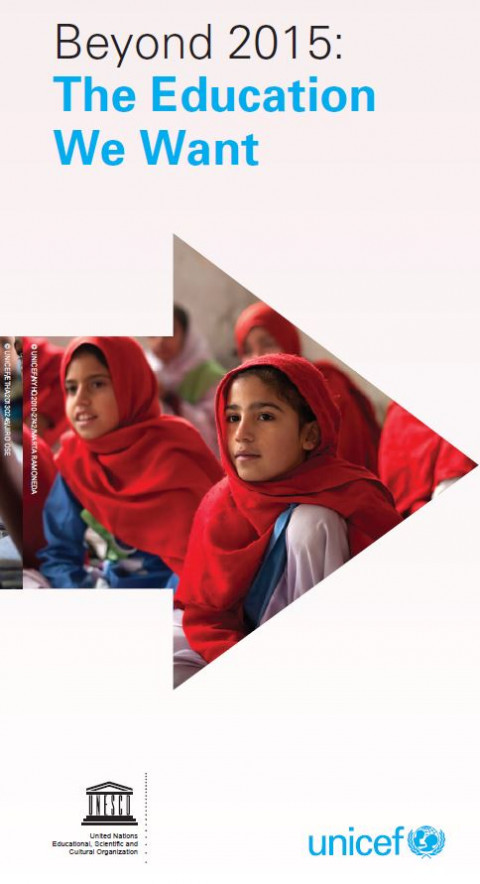 Beyond 2015: the education we want 出版年份: 2014 机构作者: UNESCO | United Nations Children's Fund (UNICEF) The post-2015 education agenda should be aspirational, transformative and holistic, and an integral part of the broader post-2015 development agenda. It should be of universal relevance and mobilize all stakeholders in all countries. Education must be a stand-alone goal in the broader post-2015 development agenda and should be framed by a comprehensive overarching goal, with measurable global targets and related indicators. In addition, education must be integrated into other development goals. The future education agenda should be rights-based and reflect a perspective based on equity and inclusion, with particular attention to gender equality and to overcoming all forms of discrimination in and through education, ensuring that no-one is left behind. It must support free and compulsory basic education.It should expand the vision of access for all to reflect relevant learning outcomes through the provision of quality education at all levels, from early childhood to higher education, in safe and healthy environments. It should take a holistic and lifelong learning approach, and provide multiple pathways of learning using innovative methods and information and communication technologies. It should reinforce approaches such as global citizenship education and education for sustainable development, which foster attitudes and behaviours that promote peace, conflict resolution and mutual understanding, tolerance, critical thinking, and respect for cultural diversity and for the environment.
 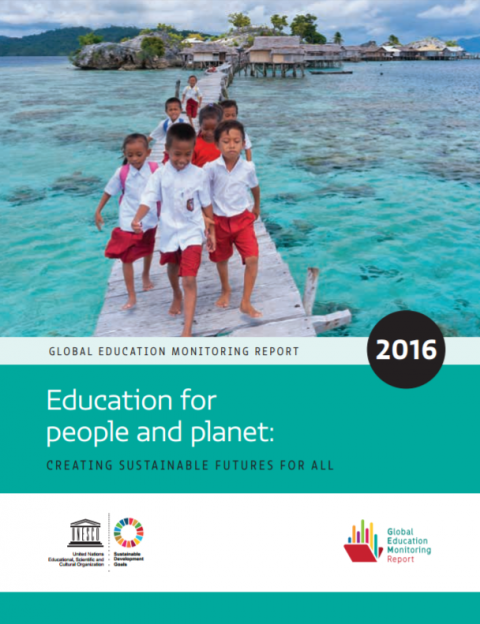 Образование в интересах людей и планеты: построение устойчивого будущего для всех 2016 г 出版年份: 2016 机构作者: UNESCO | Global Education Monitoring Report Team Всемирный доклад по мониторингу образования (ВДМО), ранее известный как Всемирный доклад по мониторингу образования для всех, является независимым по содержанию, авторитетным и основанным на фактическом материале ежегодным докладом, который публикуется ЮНЕСКО, о ходе работы по осуществлению глобальных целей и задач в сфере образования, принятых международным сообществом в 2015 г. в качестве элемента целей в области устойчивого развития (ЦУР). Его цель – отслеживать ход работы по выполнению задач в сфере образования, которые являются элементами нового комплекса целей в области устойчивого развития (ЦУР). Подготовкой содержания ВДМО и обеспечением его качества занимается опытная группа сотрудников под руководством директора ВДМО.ВДМО – это единственное в своем роде, всеобъемлющее, аналитическое и авторитетное справочное издание для мониторинга и обзора сферы образования в глобальном масштабе. За период с 2002 г., в течение которого вышло в свет 12 изданий доклада, группа по его подготовке приобрела обширный опыт в вопросах мониторинга и стратегического анализа, а также снискала высочайшую общемировую репутацию за широкий тематический охват – от проблем неравенства, гендерных отношений и преподавания до конфликтов, грамотности, ухода за детьми младшего возраста и их обучения.Цель доклада – обеспечивать информацию и оказывать влияние на уровне национальной, региональной и международной политики в области образования, в том числе в сферах финансирования и оказания помощи, посредством авторитетного фактологического обзора прогресса и сбалансированного анализа наиболее острых проблем, стоящих перед странами и другими заинтересованными сторонами. В этой публикации тщательно рассматриваются детали масштабной повестки дня для проведения реформы образования; она рассчитана прежде всего на лиц, принимающих решения: министров, политиков, парламентариев, специалистов по планированию в сфере образования.Не менее значимым является более широкий спектр групп гражданского общества, включая ассоциации преподавателей, неправительственные организации, университетские исследовательские кадры, молодежные сети и средства массовой информации. Способствуя более широкому осмыслению вопросов образования, доклад открывает возможности для обсуждения, обмена опытом и просвещения.Презентации доклада на глобальном, региональном и национальном уровнях, организуемые в течение года во всех регионах мира, активно освещаются в прессе и вызывают большой интерес на местах. Помимо этих мероприятий, ознакомление с докладом все чаще сопровождается политическими семинарами для вовлечения руководящих должностных лиц и парламентариев в дискуссии, посвященные ключевым темам и рекомендациям доклада. Ознакомление с изложенными в докладе выводами происходит также в ходе министерских совещаний, международных ученых конференций, курсов профессиональной подготовки для практических специалистов в области образования и семинаров с участием представителей правительств, доноров, НПО, исследователей и преподавателей. Кроме того, они распространяются через средства массовой информации и социальные сети.Краткое изложение докладов ВДМО издается на всех шести языках ООН (английском, арабском, испанском, китайском, русском и французском), а также на ряде других языков (включая бангла, вьетнамский, индонезийский, кхмерский, немецкий, португальский, тайский, хинди и японский). Полный текст доклада также издается на официальных языках ООН. Все версии наряду со справочными документами и статистическими данными размещаются на этом веб-сайте. التقرير العالمي لرصد التعليم ٢٠١٦ - التعليم من أجل الناس والكوكب: بناء مستقبل مستدام للجميع 出版年份: 2016 机构作者: UNESCO | Global Education Monitoring Report Team يستند هذا التقرير العالمي لرصد التعليم الذي أصدرته اليونسكو إلى تجربة وخبرة التقارير العالمية السابقة لرصد التعليم للجميع، كما تناط به مهمة جديدة وهي تقييم التقدم الذي يحرزه التعليم في إطار جدول أعمال 2030. وهذا التقرير العالمي لرصد التعليم لعام 2016، وهو الأول من هذه السلسلة التي ستتواصل على مدى 15 عاماً، يستكشف العلاقة المعقدة بين التعليم والجوانب الأخرى للتنمية المستدامة، إلى جانب رصد الآثار المترتبة على الهدف 4 للتنمية المستدامة. ويبين أن التعليم لن يجود بكامل إمكاناته لدفع العالم إلى الأمام ما لم تتحسن معدلات الالتحاق بالمدارس تحسُّناً كبيراً، ويصبح التعلم عملية متواصلة مدى الحياة، وتتماهى نُظم التعليم تماماً مع التنمية المستدامة.