
相关资源
探索丰富的全球公民教育资源,深化理解,促进研究、倡导、教学与学习。
共找到1,727条结果
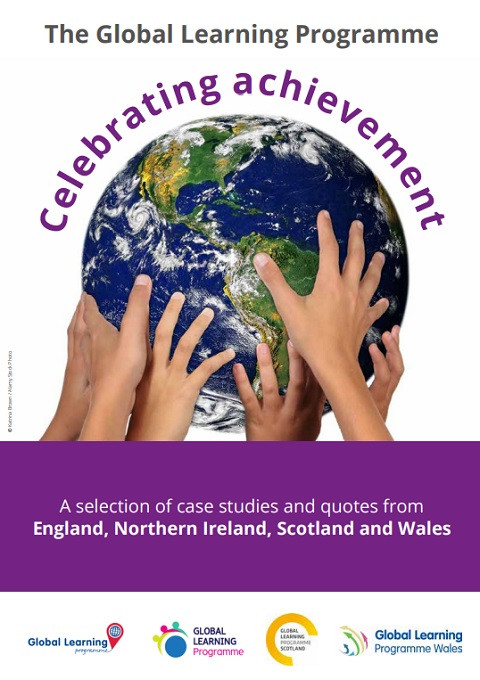 The Global Learning Programme: Celebrating Achievement; A Selection of Case Studies and Quotes from England, Northern Ireland, Scotland and Wales 机构作者: Global Learning Programme (GLP) The Global Learning Programme has achieved unprecedented success in its reach to schools across the United Kingdom, with over 10,000 schools registered, and more than 40,000 teachers and 500,000 pupils involved. A high proportion of schools that engaged with the programme had not been involved with global learning previously, and there is a high percentage of positive impact recorded in schools all across the UK. Each of the programmes, in England, Northern Ireland, Scotland and Wales, has a range of case studies and other evidence from schools on their websites. Here is gathered together a small selection of these and a range of quotes that show glimpses of what has been achieved, the diversity of the schools, and the benefits and impact of global learning.
  SDG 4 - Policies for flexible learning pathways in higher education: Taking stock of good practices internationally (IIEP-UNESCO Working Papers) 出版年份: 2020 作者: Michaela Martin | Ana Godonoga 机构作者: UNESCO International Institute for Educational Planning (IIEP) This paper draws on country examples across different UNESCO regions to illustrate policy-relevant as well as practical approaches to developing flexible learning pathways in higher education. It shows that policies can facilitate flexible learning pathways include legislative and regulatory frameworks, articulation and transfer policies, and lifelong learning policies. It also presents a number of supportive policy instruments that can serve to bridge policy and practice, such as national qualifications frameworks, quality assurance and accreditation, credit accumulation and transfer systems, and information and guidance services. Finally, apart from discussing system-wide approaches, this paper also gives examples of more decentralized, institution-led practices that contribute to flexible learning pathways. This paper concludes that well-designed policy frameworks and instruments and targeted measures can create an enabling environment for flexible learning pathways, but their effectiveness requires strong administrative capacity and coordination, as well as the involvement of all relevant stakeholders, including those who design, implement, and benefit from policies. It is also essential that policies, instruments, and practices are in alignment with one another and work towards a common objective. Therefore, a holistic approach, comprising an adequate and well-coordinated mix of policies, instruments, and targeted measures, is required, in order to translate flexible learning pathways from a national priority into an institutionalized practice that reaches its intended beneficiaries.
 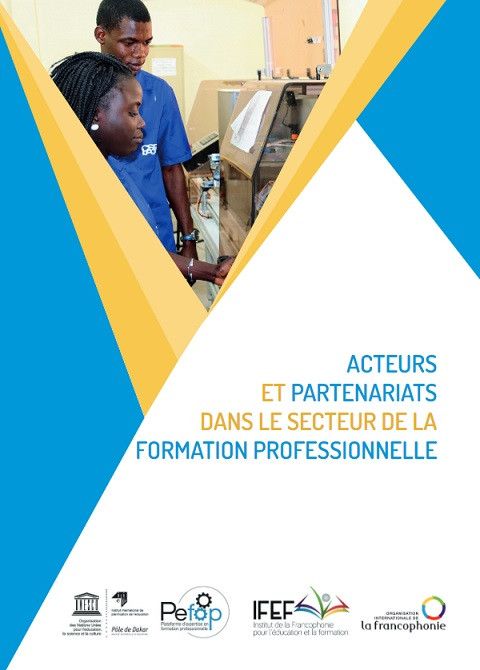 Acteurs et partenariats dans le secteur de la formation professionnelle 出版年份: 2019 机构作者: UNESCO IIEP Regional Office for Africa | Institut de la Francophonie pour l'éducation et la formation (IFEF) Une des voies reconnues pour améliorer l'efficacité des systèmes de formation professionnelle est le développement de partenariats entre acteurs publics, acteurs privés et société civile. Mais qu'entend-t-on précisément par partenariats ? Et sous quelles formes sont-ils les plus efficaces ? La diversité des contextes nationaux et locaux montre combien le domaine de la formation professionnelle est complexe et multidimensionnel. Dès lors, il est important de clarifier les types de partenariats à mettre en place, les domaines d'interventions des acteurs, ainsi que leurs rôles respectifs. Pour cette étude, l'IIPE-Pôle de Dakar et l'IFEF ont associé leur expertise dans le but d'appréhender les processus-clés de la formation professionnelle et d'offrir un portrait global des différents types de partenariats envisageables.
  다문화시대 평생교육 관점에서의 세계·민주시민교육 과제 및 실천 방향 出版年份: 2018 作者: 옥일남 机构作者: 국가교육회의 | 서원대학교 산학협력단 본 연구는 이제까지의 국내외 민주시민교육의 정책 동향을 검토하고, 다문화사회의 특수성과 평생교육의 관점에서 새롭게 요청되는 민주시민교육의 정책 방향과 주요 과제를 제시하는데 목적이 있다. 이러한 연구 목적을 달성하기 위해 현재 우리 사회가 처해있는 세계화·다문화 맥락을 이해하고, 해외의 주요 정책 사례들을 살펴보고자 한다. 그리고 거버넌스 개념을 활용하여 민주시민교육을 세계시민교육과 연계해 세계화·다문화 시대의 시민교육을 위한 정책 방향과 실천 방안을 제시할 것이다.
 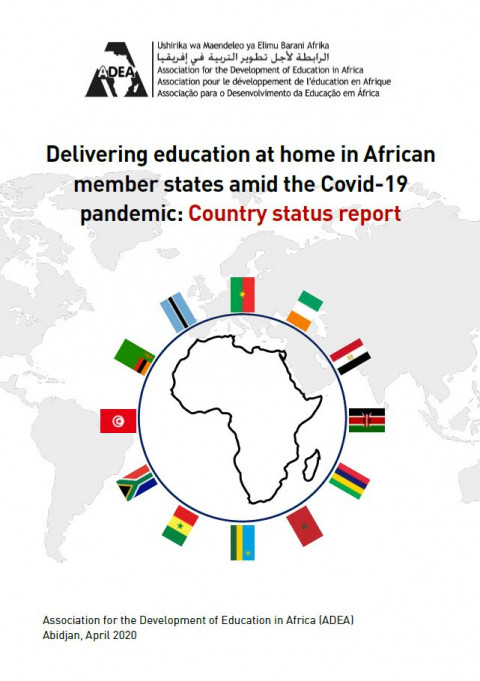 Delivering Education at Home in African Member States Amid the Covid-19 Pandemic: Country Status Report 出版年份: 2020 机构作者: Association for the Development of Education in Africa (ADEA) Since its emergence in late 2019, the coronavirus disease 2019 (COVID-19) has evolved into a pandemic, heavily affecting the lives of billions of people across the world with an anticipated huge impact on the global economy and Africa in particular. Education is one of the sectors heavily affected, with the closure of learning institutions in many African countries likely to negatively affect the education quality.In order to obtain a clearer view of the status of learning during this period, and to better support countries in the immediate, short and long term, ADEA engaged some of the most affected African countries in March 2020 to map the national situation in the education sector. The foregoing is a synopsis of the feedback from Burkina Faso, Côte d’Ivoire, Egypt, Ghana, Kenya, Mauritius, Morocco, Rwanda, Senegal, South Africa, Tunisia, and Zambia in terms of national strategies, platforms and tools or applications, gaps and challenges, partner engagement, good practices and lessons learnt with some recommendations.
 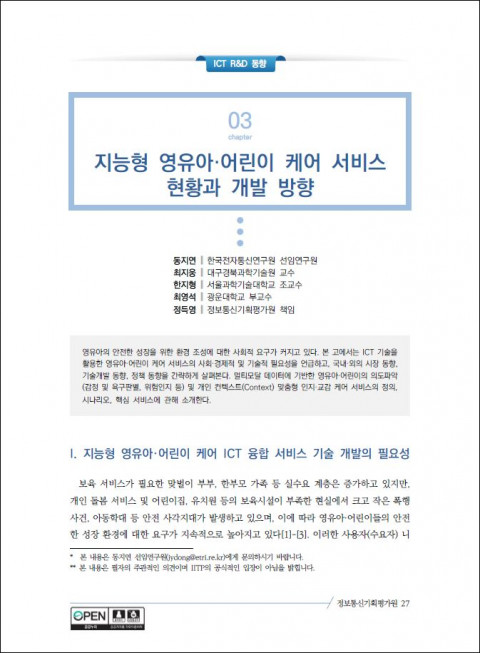 지능형 영유아·어린이 케어 서비스 현황과 개발 방향 出版年份: 2019 作者: 동지연 | 최지웅 | 한지형 | 최영석 | 정득명 机构作者: 정보통신기획평가원 영유아의 안전한 성장을 위한 환경 조성에 대한 사회적 요구가 커지고 있다. 본 고에서는 ICT 기술을 활용한 영유아·어린이 케어 서비스의 사회·경제적 및 기술적 필요성을 언급하고, 국내·외의 시장 동향, 기술개발 동향, 정책 동향을 간략하게 살펴본다. 멀티모달 데이터에 기반한 영유아·어린이의 의도파악 (감정 및 욕구판별, 위험인지 등) 및 개인 컨텍스트(Context) 맞춤형 인지·교감 케어 서비스의 정의, 시나리오, 핵심 서비스에 관해 소개한다.
 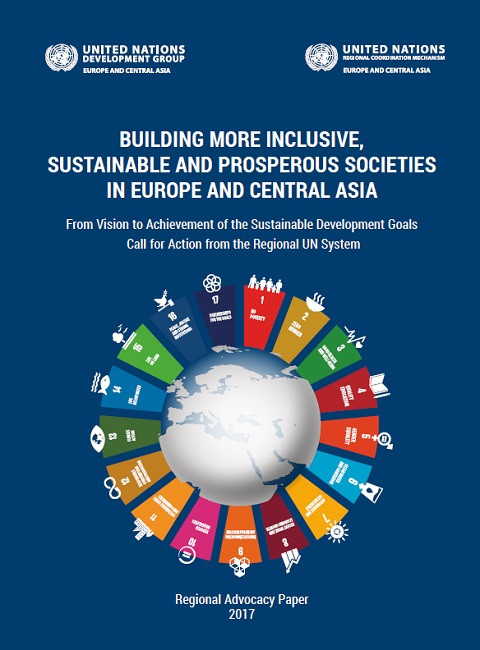 Building More Inclusive, Sustainable and Prosperious Societies in Europe and Central Asia: From Vision to Achievement of the Sustainable Development Goals Call for Action from the Regional UN System (Regional Advocacy Paper 2017) 出版年份: 2017 机构作者: United Nations Development Group (UNDG) This regional advocacy paper provides key policy recommendations that can help countries of Europe and Central to overcome the existing development bottlenecks and boost the implementation of the 2030 Agenda, leaving no one behind. На пути к устойчивости и всеобщему процветанию в Европе и Центральной Азии: Переход от видения к реализации Целей в области у стойчивого развития Призыв к действию от региональной системы ООН (Региональный консультационный документ 2017) 出版年份: 2017 机构作者: United Nations Development Group (UNDG) Этот региональный консультационный документ содержит ключевые политические рекомендации, которые могут помочь странам Европы и Центральной Азии преодолеть существующие узкие места в области развития и ускорить реализацию Повестки дня на период до 2030 года, не оставив никого позади.
  تعزيز رفاه الشباب عبر الصحة والتعليم: رؤى وفرص 出版年份: 2019 作者: Wing Yi Chan | Jennifer Sloan | Anita Chandra 机构作者: RAND Corporation أضحى الرفاه، باعتباره ركيزة أساسية في عمليات التخطيط وصناعة السياسات وتخصيص الموارد، ضرورةً لا غنى عنها لتنمية المجتمعات والدول التي تسير في درب الازدهار، مما دفعنا في هذا التقرير لدراسة المؤلفات الأكاديمية وغير الأكاديمية وثيقة الصلة بالموضوع لتحديد الأطر النظرية التي تحقق التكامل بين الصحة والتعليم داخل منظومة واحدة. Promoting Youth Well-Being Through Health and Education: Insights and Opportunities 出版年份: 2019 作者: Wing Yi Chan | Jennifer Sloan | Anita Chandra 机构作者: RAND Corporation Putting well-being at the heart of planning, policy making, and resource allocation is emerging as critical to the development of thriving communities and nations. We examined the academic and grey literature to identify theoretical frameworks that integrate health and education. We identified and described policies and programs supporting well-being around the world, and interviewed experts from each location to gain a deeper understanding of them.The report found that although wellbeing frameworks that integrate education and health exist, few of them have been examined rigorously to reveal how both educational and health outcomes can be achieved together.