
相关资源
探索丰富的全球公民教育资源,深化理解,促进研究、倡导、教学与学习。
共找到2条结果
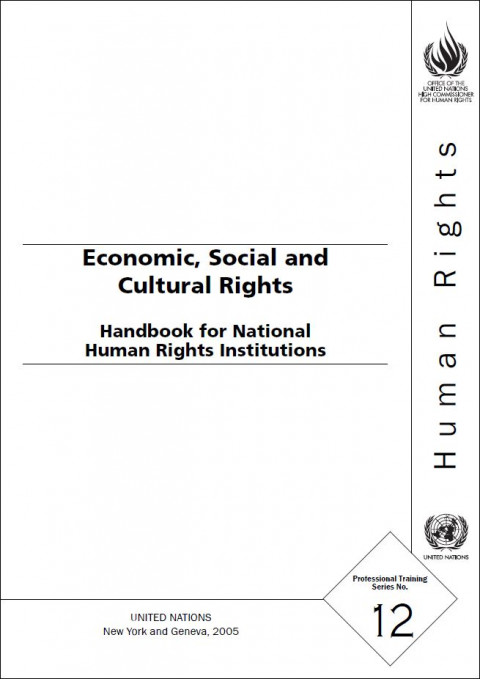 Economic, Social and Cultural Rights: Handbook for National Human Rights Institutions (Professional Training Series No.12) 出版年份: 2005 机构作者: UN. Office of the United Nations High Commissioner for Human Rights (UN. OHCHR) This publication reviews economic, social and cultural human rights. It is a guide to national institutions produced by the United Nations. The guide is a reference in all matters related to human rights to create a decent life for people, and to clarify the role that governments should play in this regard.This handbook is intended to help national human rights institutions maximize the effectiveness of their functions and powers in addressing economic, social and cultural rights. Its aim is to assist national human rights institutions in the development of policies, processes and skills to integrate economic, social and cultural rights further into their work, thereby enabling them to address poverty and development, for example, through an economic, social and cultural rights framework.This handbook will discuss ways in which national human rights institutions can become more effective in protecting and promoting economic, social and cultural rights. It will examine how national institutions’ legal mandates can be interpreted to incorporate economic, social and cultural rights within their jurisdictions, how their functions and powers can be exercised more appropriately in regard to these rights, how they can use their resources most efficiently and effectively and how they can implement economic, social and cultural rights in the political and social contexts in which they operate. الحقوق الاقتصادية والاجتماعية والثقافية: دليل للمؤسسات الوطنية لحقوق الإنسان 出版年份: 2005 机构作者: UN. Office of the United Nations High Commissioner for Human Rights (UN. OHCHR) يستعرض المنشور حقوق الانسان الاقتصادية والاجتماعية والثقافية، وهو دليل للمؤسسات الوطنية انتجته الأمم المتحدة. ويعتبر الدليل مرجع في جميع ما يخص الحقوق لإيجاد حياة كريمة للإنسان، وتوضيح الدور الذي يجب أن تلعبه الحكومات في ذلك.مهام والصلاحيات الممنوحة لها في مجال الحقوق الاقتصادية والاجتماعية والثقافية، وهدفه هو مساعدة تلك المؤسسات على تطوير سياسات وعمليات ومهارات لمواصلة إدماج تلك الحقوق في عملها، وبالتالي تمكينها من معالجة الفقر والتنمية، وذلك على سبيل المثال، من خلال إطار قوامه الحقوق الاقتصادية والاجتماعية والثقافية.يتناول الدليل الطرق التي يمكن بها للمؤسسات الوطنية لحقوق الإنسان أن تصبح أكثر فعالية في حماية وتعزيز الحقوق الاقتصادية والاجتماعية والثقافية، ويطرح الكيفية التي تفسر بها ولايتها القانونية، بحيث يتسنى لها إدماج الحقوق الاقتصادية والاجتماعية والثقافية ضمن نطاق سلطتها، والكيفية التي يمكنها أن تحسن بها أداء مهامها وصلاحياتها فيما يتعلق بهذه الحقوق. وعلى الرغم من أن الدليل يستهدف حماية وتعزيز الحقوق ااقتصادية والاجتماعية والثقافية على وجه التحديد، إلا أنه يهتم ـ أيضا ـ بعمل المؤسسات الوطنية لحقوق الإنسان فيما يتعلق بالحقوق المدنية والسياسية.