
相关资源
探索丰富的全球公民教育资源,深化理解,促进研究、倡导、教学与学习。
共找到3条结果
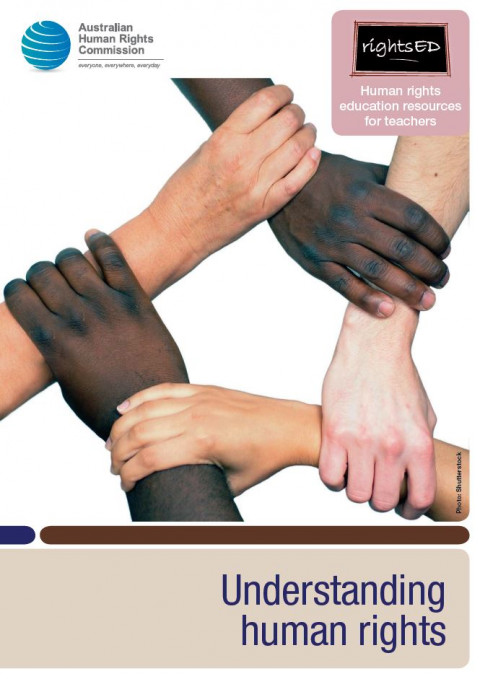 Understanding Human Rights 出版年份: 2010 机构作者: Australian Human Rights Commission Human rights are basic to humanity. They apply to all people everywhere. An understanding of human rights is an important part of our individual status as human beings and of our collective status as members of the global community of humankind.To understand how human rights affect us in our daily lives and to acknowledge our responsibilities in recognising the need to balance those rights with the rights of others, we require an understanding of what human rights are.So what are human rights? Where did they come from? How do they impact on humanity? How do they affect me?
  Maintaining Global Citizenship Education in Schools: A Challenge for Australian Educators and Schools (Vol. 43, No. 4) 出版年份: 2018 作者: John Buchanan | Nina Burridge | Andrew Chodkiewicz 机构作者: Australian Journal of Teacher Education Teaching students about global citizenship remains a critical challenge for schools and communities, especially in a developed country like Australia. With increasingly difficult national and international contexts and its marginal place in the school curriculum, there is an urgent need to help maintain support for global citizenship education. Recognising the challenges and limitations, key ways to raise its profile include considering available pedagogies, drawing on the existing Australian Global Education framework, taking up existing curriculum opportunities, accessing quality educational resources and relevant teacher education programs, and working in partnership with key Non-Government Organisations.
  Adult Media Literacy in Australia: Attitudes, Experiences and Needs 出版年份: 2021 作者: Tanya Notley | Simon Chambers | Sora Park | Michael Dezuanni 机构作者: Western Sydney University | Queensland University of Technology | University of Canberra This report is based on a survey of 3,510 adult Australians to understand the different types of media they use, the value they place on different media activities, their confidence in their own media abilities and their access to media literacy support. The survey was designed with input from diverse voices in the media literacy field including researchers, media producers, policymakers, government agencies, educators and public cultural institutions. The findings show that most Australians use several different types of media each day, they believe a diverse range of media activities are important in their lives, but their confidence in their own media abilities is unexpectedly low. The findings demonstrate that if we accept that media is integral to all aspects of our lives, far more needs to be done to address the needs of groups who are the least confident about their media abilities and who have access to the least support. The findings also show that increasing media literacy can yield direct benefits for increasing people’s civic engagement.