
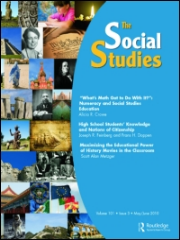
Holocaust Education: Analysis of Curricula and Frameworks: A Case Study of Illinois
- الكلمة المفتاحية
- Holocaustمنهج دراسيدراسات الحالة
- الموضوعات
- المدنية / المواطنة / الديمقراطية
- مستوى التعليم
- التعليم الثانوي
This article addresses how far educational institutions have come in designing authentic and meaningful curricula for teaching the Holocaust at the secondary level. Examined in this article are the historical development of Holocaust education in the United States, with a focus on the state of Illinois as a case study, what contributes to the development of a full curriculum, and what constitutes the boundary between a curriculum and a framework, based on examination of the work of scholars and institutions in the field. Analysis of existing frameworks according to criteria developed by the authors has yielded the finding that a framework can only guide teachers to an extent because of its looser structure. A full curriculum, however, is structured with greater detail and more direct ways of determining evidence that demonstrates understanding of the content and mastery of essential skills. Recommendations are provided for Holocaust Education curriculum development, underscoring the significance of an engaging design that makes learning more lasting and meaningful. (By the author)
موارد ذات صلة
-
 IIEP-UNESCO 12th Medium-Term Strategy: 2026–2029
 -
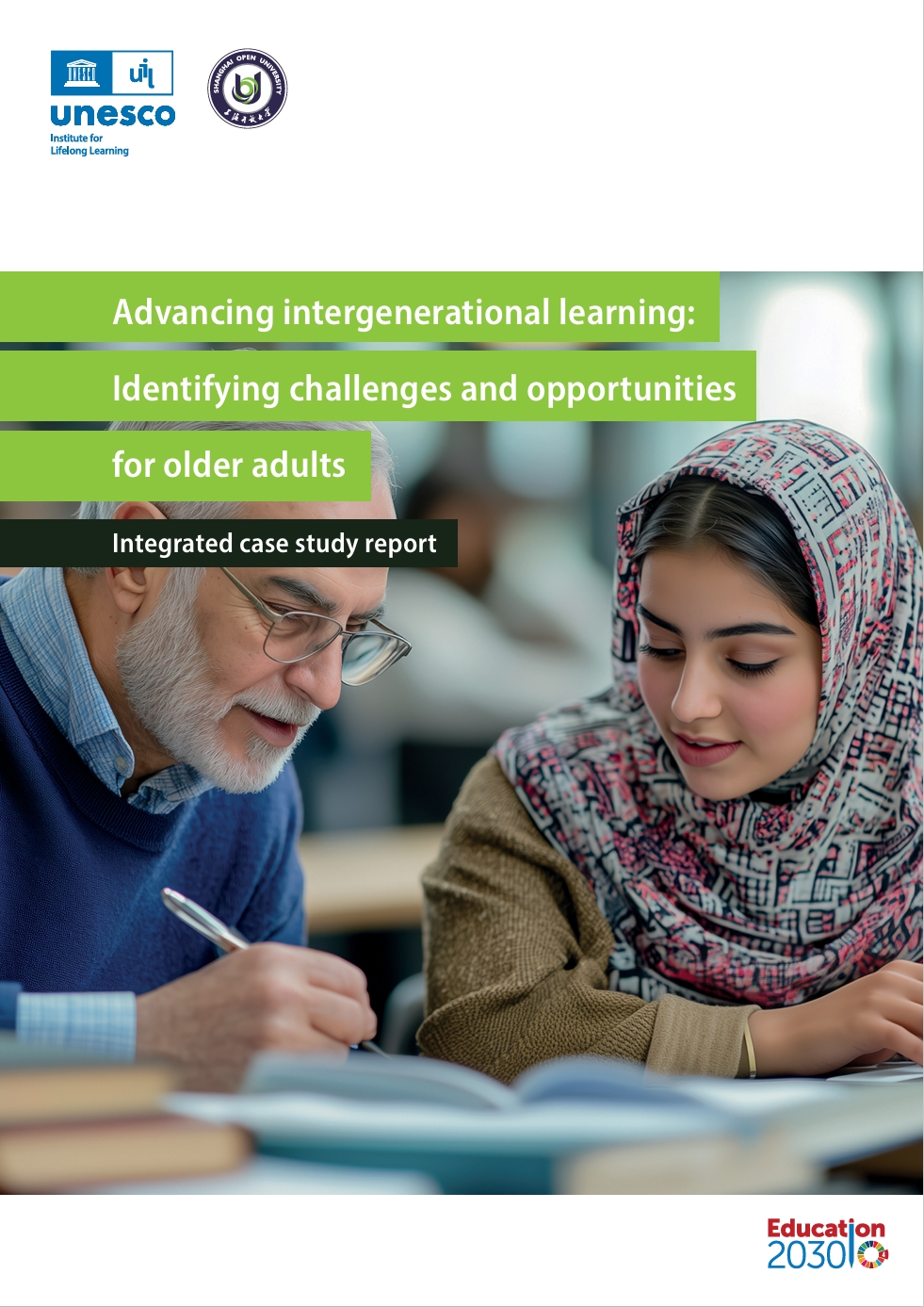 Advancing Intergenerational Learning: Identifying Challenges and Opportunities for Older Adults; Integrated Case Study Report
 -
 Digital Empowerment for Lifelong Learning and Transformative Andragogy (DELTA) for Adult Educators: Introduction to the DELTA Framework and Resources
 -
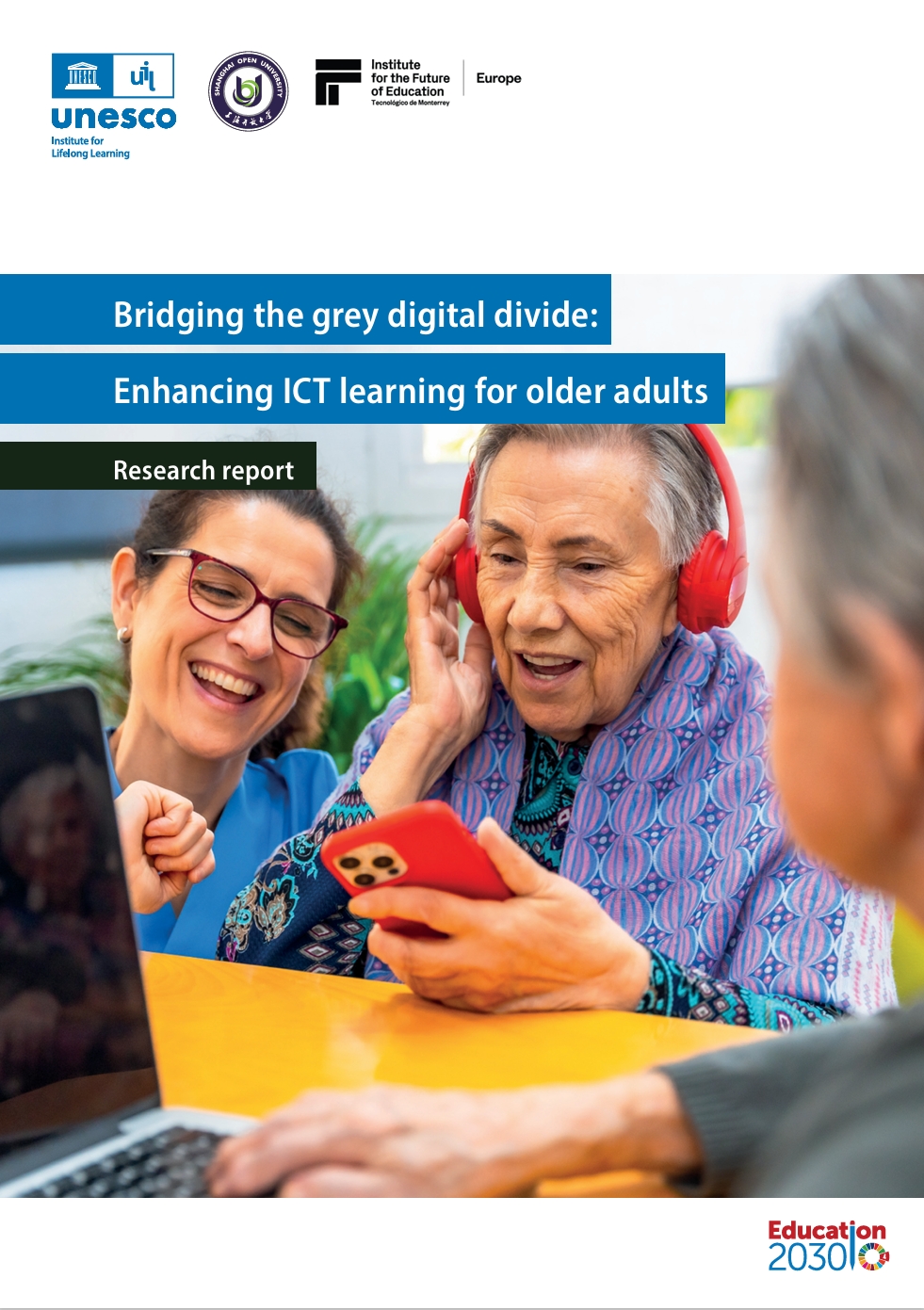 Bridging the Grey Digital Divide: Enhancing ICT Learning for Older Adults; Research Report