
Do All Students Have Equal Opportunities to Learn Global and Intercultural Skills at School? (PISA in Focus; No.109)
- المؤلف
- Tarek Mostafa
- ISBN
- ISSN 2226-0919
- الترتيب
- 7 p.
- لغة المورد
- الإنجليزية
- سنة النشر
- 2020
- الموضوعات
- التنوع / محو الأمية الثقافية / الشموليةالعولمة والعدالة الاجتماعية / التفاهم الدوليالتنمية المستدامة / الاستدامة
- أنواع الموارد
- الأوراق البحثية/ مقالات المجالاتآخر
- مستوى التعليم
- التعليم الثانوي
- المناطق
- جميع دول العالم
- مكان النشر
- Paris
Many education systems seek to create an open, diverse and tolerant society, as education can play a significant role in countering racial, ethnic and national prejudice among children and adolescents. Education for living in an interconnected and diverse world could also contribute to forming generations of citizens who care about global and intercultural issues and who are able and willing to take action for sustainable development and collective well-being.
In its 2018 assessment, PISA assessed the competences needed to live in an interconnected and diverse world. Global competence is defined in PISA 2018 as a multi-dimensional capacity that encompasses the ability to: 1) examine issues of local, global and cultural significance; 2) understand and appreciate the perspectives and worldviews of others; 3) engage in open, appropriate and effective interactions across cultures; and 4) take action for collective well-being and sustainable development. This PISA in Focus examines the equity of the learning opportunities for global and intercultural skills.
موارد ذات صلة
-
 IIEP-UNESCO 12th Medium-Term Strategy: 2026–2029
 -
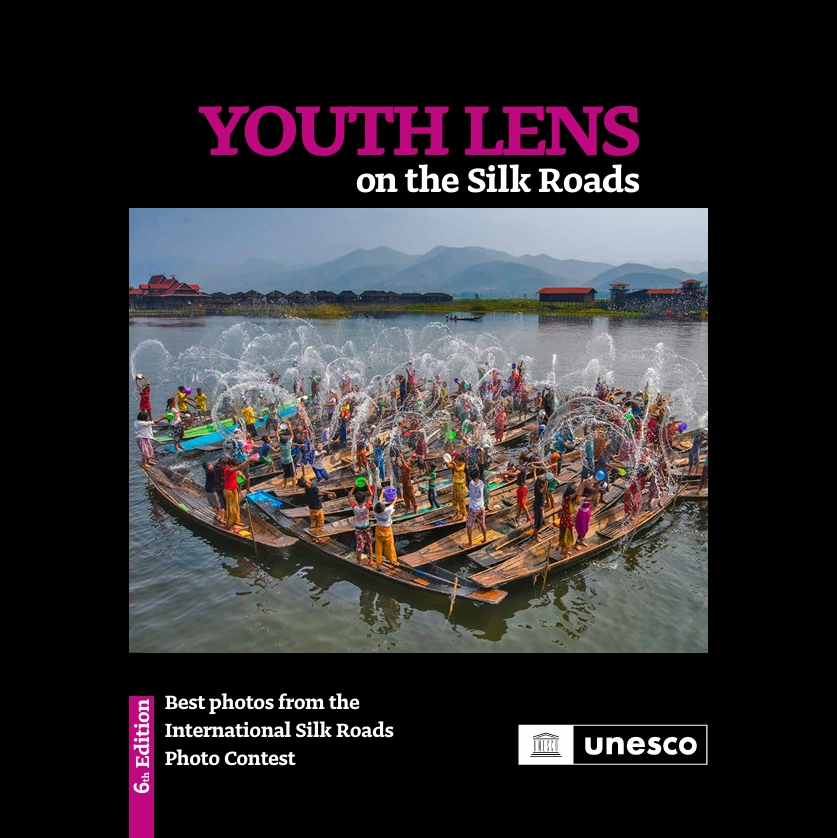 Youth Lens on the Silk Roads: Best Photos from the International Silk Roads Photo Contest; 6th Edition
 -
 Advancing Intergenerational Learning: Identifying Challenges and Opportunities for Older Adults; Integrated Case Study Report
 -
 Digital Empowerment for Lifelong Learning and Transformative Andragogy (DELTA) for Adult Educators: Introduction to the DELTA Framework and Resources