
الموارد
استكشف مجموعة واسعة من الموارد القيمة حول تعليم المواطنة العالمية لتعميق فهمك وتعزيز البحث والمناصرة والتعليم والتعلم.
تم العثور على 875 نتيجة
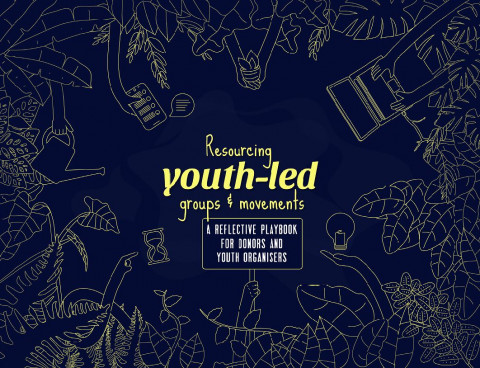 Resourcing Youth-led Groups & Movements: A Reflective Playbook for Donors and Youth Organisers سنة النشر: 2020 المؤلف: Gioel Gioacchino المؤلف المؤسسي: CIVICUS | Recrear International Are you part of a youth-led social movement and looking for ideas about how to resource your work? Or a donor, philanthropist, or institution championing youth power? If so - this space is for you! Here you will find tools, connections, and new ideas for both youth activists and their allies.This Resourcing Youth-led Groups and Movements playbook resulted from a year of research. We listened to what activists, donors, youth allies and other enabling organisation said about realities, trends and potential solutions for mobilising funding and non-financial resources for young activists, especially in the global south.Read or listen to the stories of Lebo, Amanda, Dumsio, Priscilla, Elena, Christian, and Bonnie, as they share their experiences and challenges sustaining their work, echoed by young leaders across Latin America and Africa. You will find creative exercises you can use, that invite youth and donors to rethink worldviews and principles around resourcing civil society in the 21st century. Obteniendo recursos para grupos y movimientos liderados por jóvenes: Guía de reflexión y prácticas para donantes y organizadores juveniles سنة النشر: 2020 المؤلف: Gioel Gioacchino المؤلف المؤسسي: CIVICUS | Recrear International Vous faites partie d'un mouvement social dirigé par des jeunes et vous cherchez des idées sur la façon de financer votre travail ? Ou bien un donateur, un philanthrope ou une institution qui défend le pouvoir des jeunes ? Si c'est le cas, cet espace est fait pour vous ! Vous y trouverez des outils, des liens et de nouvelles idées, tant pour les jeunes militants que pour leurs partenaires.Ce guide sur les ressources des groupes et mouvements de jeunes est le résultat d'une année de recherche. Nous avons écouté ce que des militants, des donateurs, des représentants de la jeunesse et d'autres organisations facilitatrices ont dit sur les réalités, les tendances et les solutions possibles pour mobiliser des fonds et des ressources non financières pour les jeunes militants, en particulier dans le Sud.Lisez les histoires de Lebo, Amanda, Dumiso, Priscilla, Elena, Christian et Bonnie, qui partagent leurs expériences et les défis qu'ils rencontrent dans leur travail, et dont les jeunes leaders d'Amérique latine et d'Afrique se font les porte-parole. Vous trouverez des exercices créatifs que vous pourrez utiliser, qui invitent les jeunes et les donateurs à repenser les visions du monde et les principes relatifs au financement de la société civile au 21ème siècle. L’accès aux ressources pour les groupes et mouvements dirigés par les jeunes: Un guide de réflexion destiné aux donateurs et membres d’organisations de jeunes سنة النشر: 2020 المؤلف: Gioel Gioacchino المؤلف المؤسسي: CIVICUS | Recrear International Vous faites partie d'un mouvement social dirigé par des jeunes et vous cherchez des idées sur la façon de financer votre travail ? Ou bien un donateur, un philanthrope ou une institution qui défend le pouvoir des jeunes ? Si c'est le cas, cet espace est fait pour vous ! Vous y trouverez des outils, des liens et de nouvelles idées, tant pour les jeunes militants que pour leurs partenaires.Ce guide sur les ressources des groupes et mouvements de jeunes est le résultat d'une année de recherche. Nous avons écouté ce que des militants, des donateurs, des représentants de la jeunesse et d'autres organisations facilitatrices ont dit sur les réalités, les tendances et les solutions possibles pour mobiliser des fonds et des ressources non financières pour les jeunes militants, en particulier dans le Sud.Lisez les histoires de Lebo, Amanda, Dumiso, Priscilla, Elena, Christian et Bonnie, qui partagent leurs expériences et les défis qu'ils rencontrent dans leur travail, et dont les jeunes leaders d'Amérique latine et d'Afrique se font les porte-parole. Vous trouverez des exercices créatifs que vous pourrez utiliser, qui invitent les jeunes et les donateurs à repenser les visions du monde et les principes relatifs au financement de la société civile au 21ème siècle.
  Citizenship education and coexistence: guides for citizenship and coexistence based on the collective construction of meaning and networks; unit 1; coexisting citizens and comunities سنة النشر: 2022 المؤلف المؤسسي: Centro de Investigación y Educación Popular (CINEP) | Secretaría de Educación del Distrito (SED) These modules and guides are directed to Facilitators Network Citizenship and Coexistence to help them through a process of training and reflection that allows them to be aware of their capabilities, and the tools we have, providing a bank of learning activities, as well as a general guide for development, according to the needs of the processes with their educational communities . Therefore, the processes of dialogue and exchange that have been developed with the same Network facilitators, and the interaction and reflection with all educational stakeholders in Bogota, have been taken into account in the conceptual, methodological and didactic guidelines of the modules and guides. Educación para la ciudadanía y la convivencia: ciudadanos y ciudadanos del mundo, hijas e hijos de Bogotá; ciclo cuatro (octavo y noveno) سنة النشر: 2014 المؤلف المؤسسي: Secretaría de Educación del Distrito (SED) | Fe y Alegría These twelve modules make reference to a series of activities that focus on how children from all the educative grades understand and live citizenship, strengthening and facilitating the learning processes based on autonomy. This educative materials, which are aimed at being implemented inside the classrooms, attempt to serve as input resources for educators and other agents that work on or are interested in working with citizenship education and coexistence. The overall objective is to provide quality education. Educación para la ciudadanía y convivencia: protagonistas de la realidad, dirigimos la historia; ciclo tres (quinto, sexto y séptimo) سنة النشر: 2014 المؤلف المؤسسي: Secretaría de Educación del Distrito (SED) | Fe y Alegría These twelve modules make reference to a series of activities that focus on how children from all the educative grades understand and live citizenship, strengthening and facilitating the learning processes based on autonomy. This educative materials, which are aimed at being implemented inside the classrooms, attempt to serve as input resources for educators and other agents that work on or are interested in working with citizenship education and coexistence. The overall objective is to provide quality education. Educación para la ciudadanía y la convivencia: ciberciudadanía para la paz, una aldea digital de la que haces parte; ciclo cinco (décimo, undécimo, duodécimo) سنة النشر: 2015 المؤلف المؤسسي: Secretaría de Educación del Distrito (SED) | Fe y Alegría These twelve modules make reference to a series of activities that focus on how children from all the educative grades understand and live citizenship, strengthening and facilitating the learning processes based on autonomy. This educative materials, which are aimed at being implemented inside the classrooms, attempt to serve as input resources for educators and other agents that work on or are interested in working with citizenship education and coexistence. The overall objective is to provide quality education. Educación para la ciudadanía y la convivencia: hacemos sinergías para vivir y convivir en territorios de paz; ciclo cuatro (octavo y noveno) سنة النشر: 2015 المؤلف المؤسسي: Secretaría de Educación del Distrito (SED) | Fe y Alegría These twelve modules make reference to a series of activities that focus on how children from all the educative grades understand and live citizenship, strengthening and facilitating the learning processes based on autonomy. This educative materials, which are aimed at being implemented inside the classrooms, attempt to serve as input resources for educators and other agents that work on or are interested in working with citizenship education and coexistence. The overall objective is to provide quality education. Educación para la ciudanía y la convivencia: parceras y parceros por la paz (en 140 caracteres); ciclo tres (quinto, sexto y séptimo) سنة النشر: 2015 المؤلف المؤسسي: Secretaría de Educación del Distrito (SED) | Fe y Alegría These twelve modules make reference to a series of activities that focus on how children from all the educative grades understand and live citizenship, strengthening and facilitating the learning processes based on autonomy. This educative materials, which are aimed at being implemented inside the classrooms, attempt to serve as input resources for educators and other agents that work on or are interested in working with citizenship education and coexistence. The overall objective is to provide quality education. Education à la citoyenneté et de la coexistence: la citoyenneté et le module de coexistence de la construction collective des significations et des réseaux; unité 1; sujets citoyens et les communautés vivant سنة النشر: 2014 المؤلف المؤسسي: Centro de Investigación y Educación Popular (CINEP) | Secretaría de Educación del Distrito (SED) Ces modules et guides sont dirigés vers Facilitateurs Réseau Citoyenneté et Coexistence pour les aider dans un processus de formation et de réflexion qui leur permet d'être au courant de leurs capacités, et les outils dont nous disposons, en fournissant une banque d'activités d'apprentissage, ainsi qu'un général guide pour le développement, en fonction des besoins des processus avec leurs communautés éducatives. Par conséquent, les processus de dialogue et d'échange qui ont été développés avec les mêmes animateurs de réseau, et l'interaction et de réflexion avec tous les acteurs de l'éducation à Bogota, ont été prises en compte dans les orientations conceptuelles, méthodologiques et didactiques des modules et des guides.