
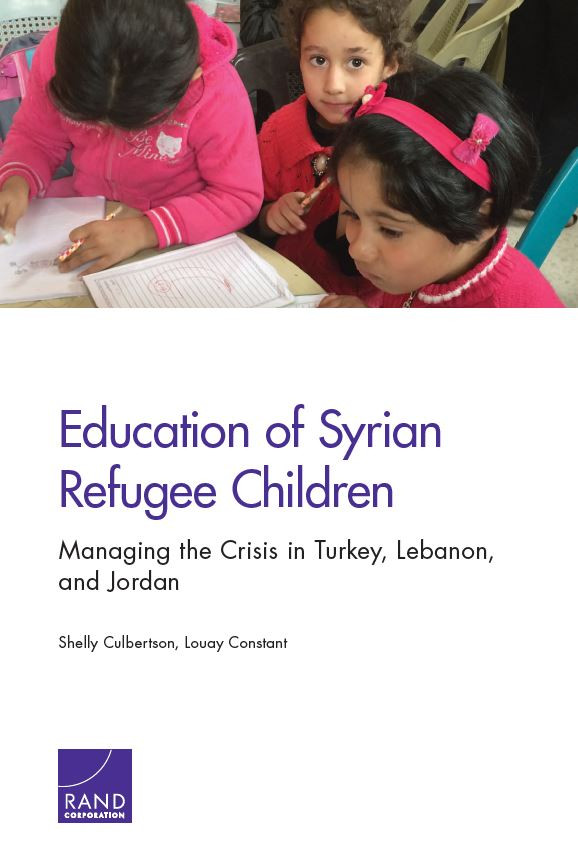
Education of Syrian Refugee Children: Managing the Crisis in Turkey, Lebanon, and Jordan
- Corporate Author
- RAND Corporation
- ISBN
- ISBN 978-0-8330-9239-7
- Collation
- xviii, 95 p.
- Resource Language
- EnglishArabic
- Year of publication
- 2015
- Topic
- Diversity / Cultural literacy / InclusivenessHuman rightsGlobalisation and social justice / International understanding
- Resource Type
- International normative instruments / policy and advocacy documentsResearch papers / journal articles
- Level of education
- Primary educationNon-formal education
- Region
- Arab States
- Place of publication
- سانتا مونيكا
With four million Syrian refugees as of September 2015, there is urgent need to develop both short-term and long-term approaches to providing education for the children of this population. This report reviews Syrian refugee education for children in the three neighboring countries with the largest population of refugees — Turkey, Lebanon, and Jordan — and analyzes four areas: access, management, society, and quality. Policy implications include prioritizing the urgent need to increase access to education among refugees; transitioning from a short-term humanitarian response to a longer-term development response; investing in both government capacity to provide education and in formal, quality alternatives to the public school systems; improving data in support of decisionmaking; developing a deliberative strategy about how to integrate or separate Syrian and host-country children in schools to promote social cohesion; limiting child labor and enabling education by creating employment policies for adults; and implementing particular steps to improve quality of education for both refugees and citizens.
Related Resources
-
 Voices Against Violence: Middle Years
 -
 Study on the Historical Impact of the 1974 Recommendation concerning Education for International Understanding, Cooperation and Peace and Education relating to Human Rights and Fundamental Freedoms
 -
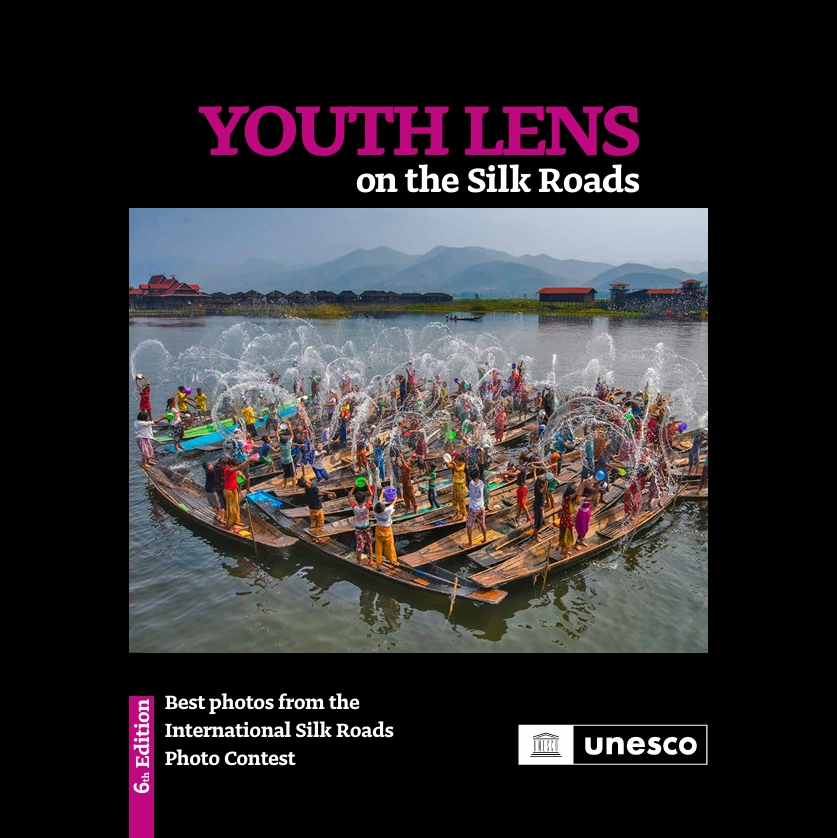 Youth Lens on the Silk Roads: Best Photos from the International Silk Roads Photo Contest; 6th Edition
 -
 More than Welcome: Intercultural Integration of Migrants in and Through Higher Education