
Framework for a DESD communication strategy in support of the UN decade of education for sustainable development
- Corporate Author
- UNESCO
- Collation
- 27p
- Resource Language
- English
- Year of publication
- 2007
- Topic
- Globalisation and social justice / International understandingSustainable development / Sustainability
- Region
- Global
- Place of publication
- Paris
The following framework for a DESD Communication Strategy seeks to provide guidelines for different stakeholders to come together and work on a joint harmonious communication strategy, dedicated to furthering the exchange of information on ESD issues in order to: • share ESD information and resources between and among partners; • promote better cooperation among partners doing ESD work and create synergies; • reduce duplication of efforts in programme planning, design, and ESD advocacy; • strengthen individual partner's ability to help create a viable future by working together with others, with each partner contributing its own "piece of the puzzle". Minimum elements of a DESD communication strategy include an appropriate emphasis on: • dissemination of basic ESD information to all partners; • dissemination of available information sources pertinent to partners’ needs in ESD; • sharing prototype training materials, experiences of demonstration activities and related resources for testing, adapting and translating them to other cultural contexts; • dissemination of information about the experiences of project participants, emphasizing openness and clarity about problems encountered, in order to allow others to benefit from the lessons learned in practice.
Related Resources
-
 Study on the Historical Impact of the 1974 Recommendation concerning Education for International Understanding, Cooperation and Peace and Education relating to Human Rights and Fundamental Freedoms
 -
 IIEP-UNESCO 12th Medium-Term Strategy: 2026–2029
 -
 More than Welcome: Intercultural Integration of Migrants in and Through Higher Education
 -
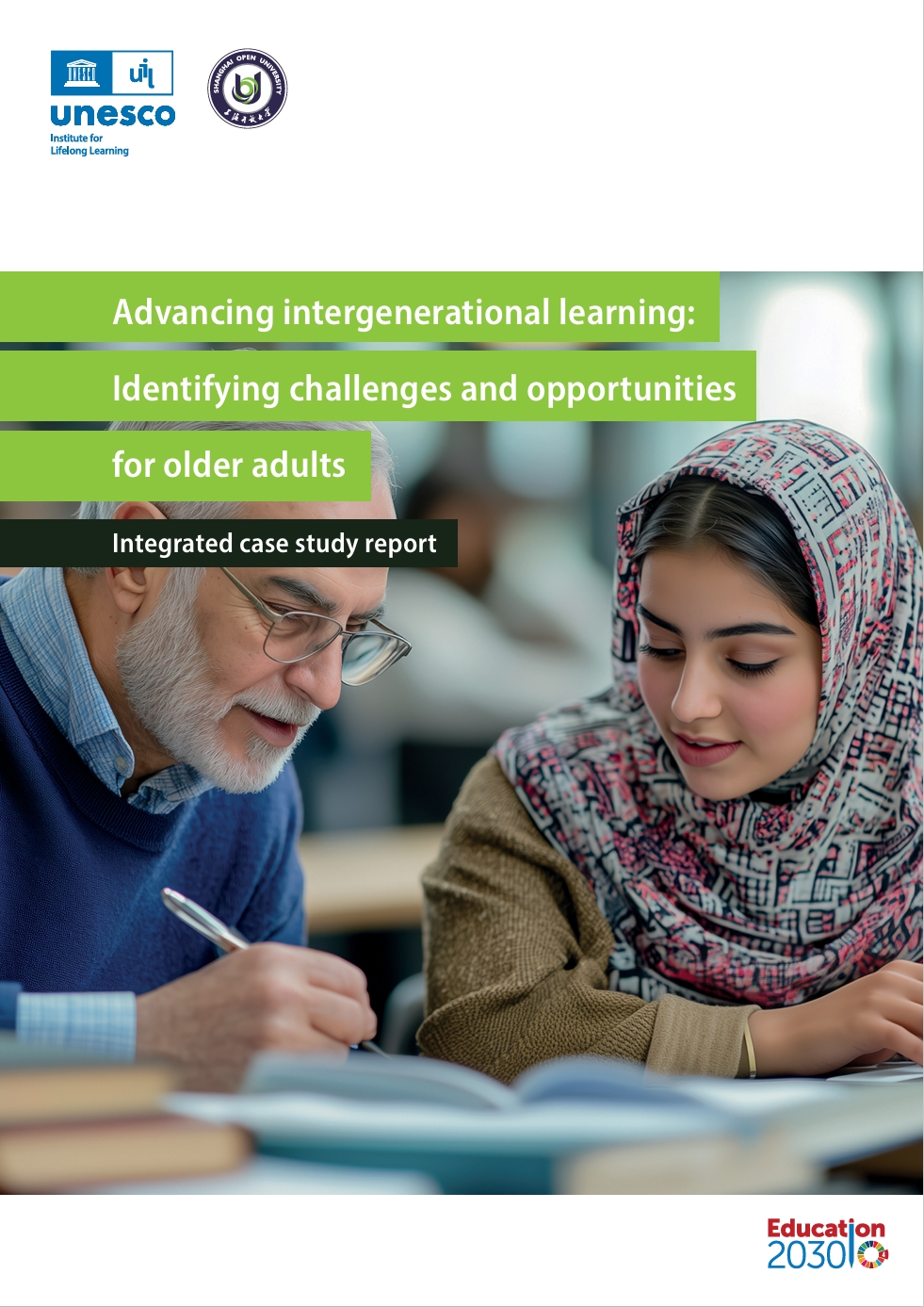 Advancing Intergenerational Learning: Identifying Challenges and Opportunities for Older Adults; Integrated Case Study Report