
Astrolabe: a guide to education for sustainable development coordination in Asia and the Pacific
- Corporate Author
- UNESCO Bangkok
- ISBN
- ISBN 978-92-9223-366-2 (electronic)
- Collation
- 134p
- Resource Language
- English
- Year of publication
- 2011
- Resource Type
- Curriculum, teaching-learning materials and guides
- Region
- Asia and the Pacific
- Place of publication
- Bangkok
- eBook URL
- [E-BOOK]
An astrolabe is an ancient instrument used to measure the position of the sun and stars. In the past it was used for a number of purposes, such as determining the time of day or night and measuring one’s current position in relation to the north and south poles. A mariner’s astrolabe was used to determine the latitude of a ship at sea and guide its direction. Similar to the mariner’s astrolabe, the Asia-Pacific Education for Sustainable Development (ESD) Astrolabe aims to assist UNESCO Member States in determining the current position of ESD in their country and guiding education and learning in a desired direction, so as to support the advancement of sustainable development in the national context. The ESD Astrolabe is also intended to complement ongoing efforts to enhance the quality of education throughout the Asia-Pacific region.
Related Resources
-
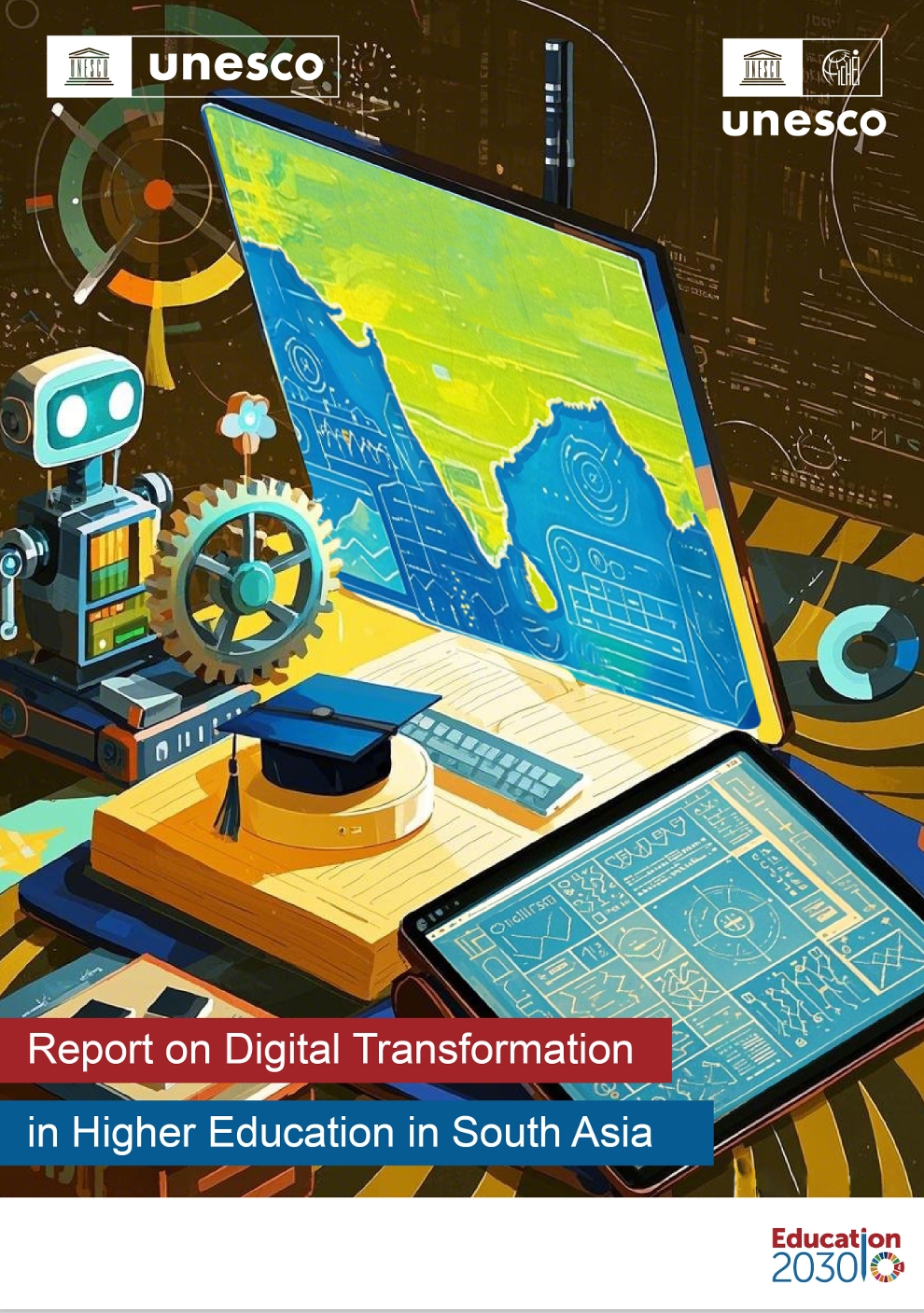 Report on Digital Transformation in Higher Education in South Asia
 -
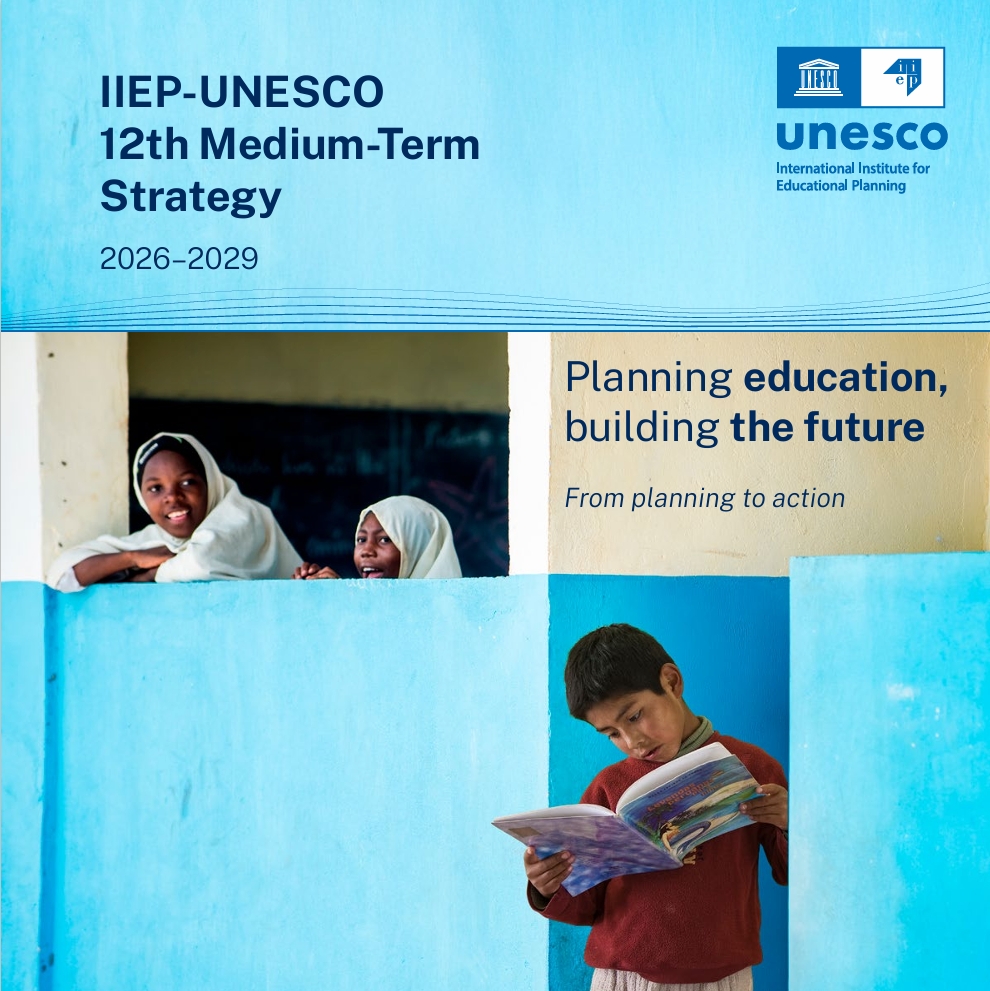 IIEP-UNESCO 12th Medium-Term Strategy: 2026–2029
 -
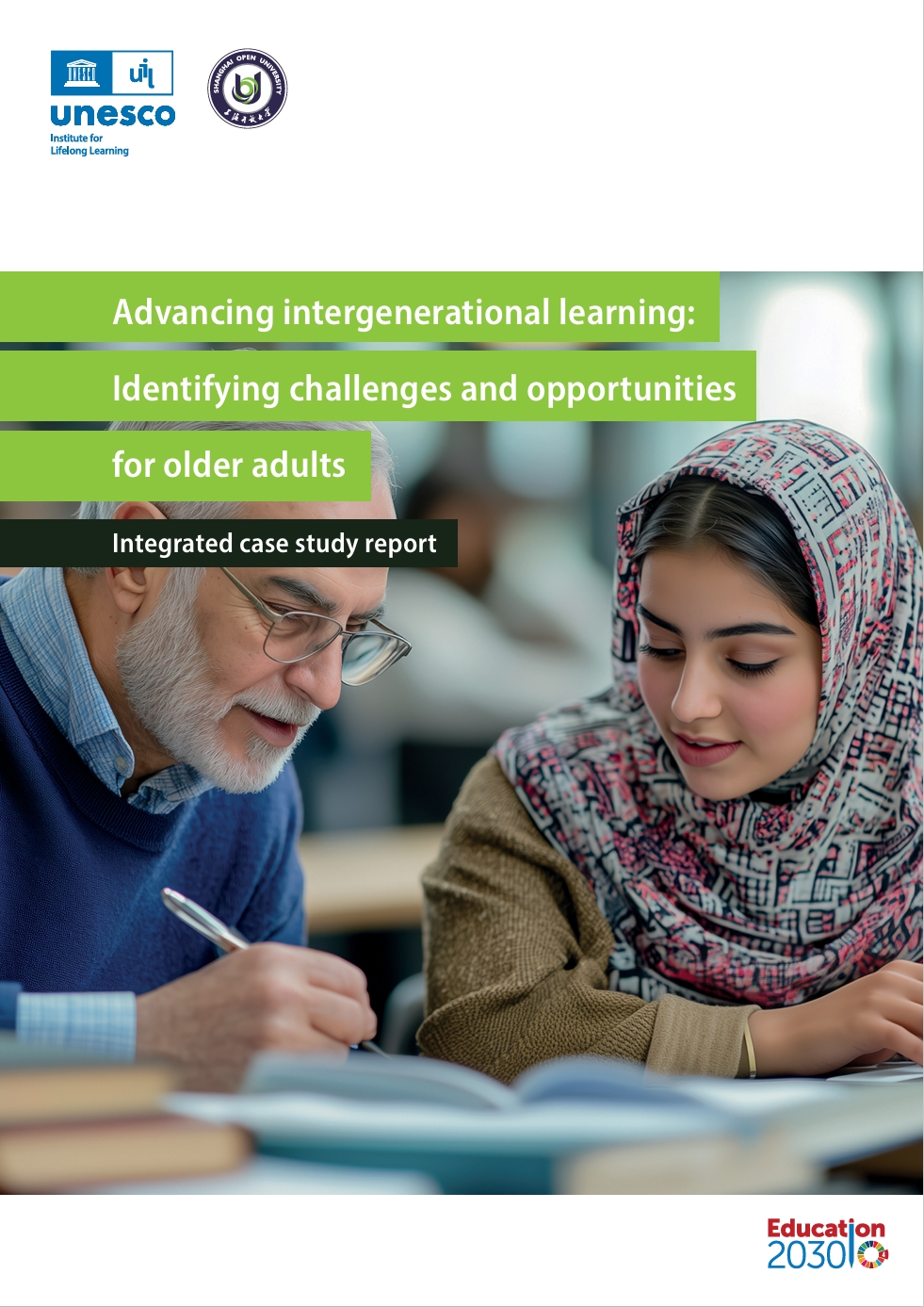 Advancing Intergenerational Learning: Identifying Challenges and Opportunities for Older Adults; Integrated Case Study Report
 -
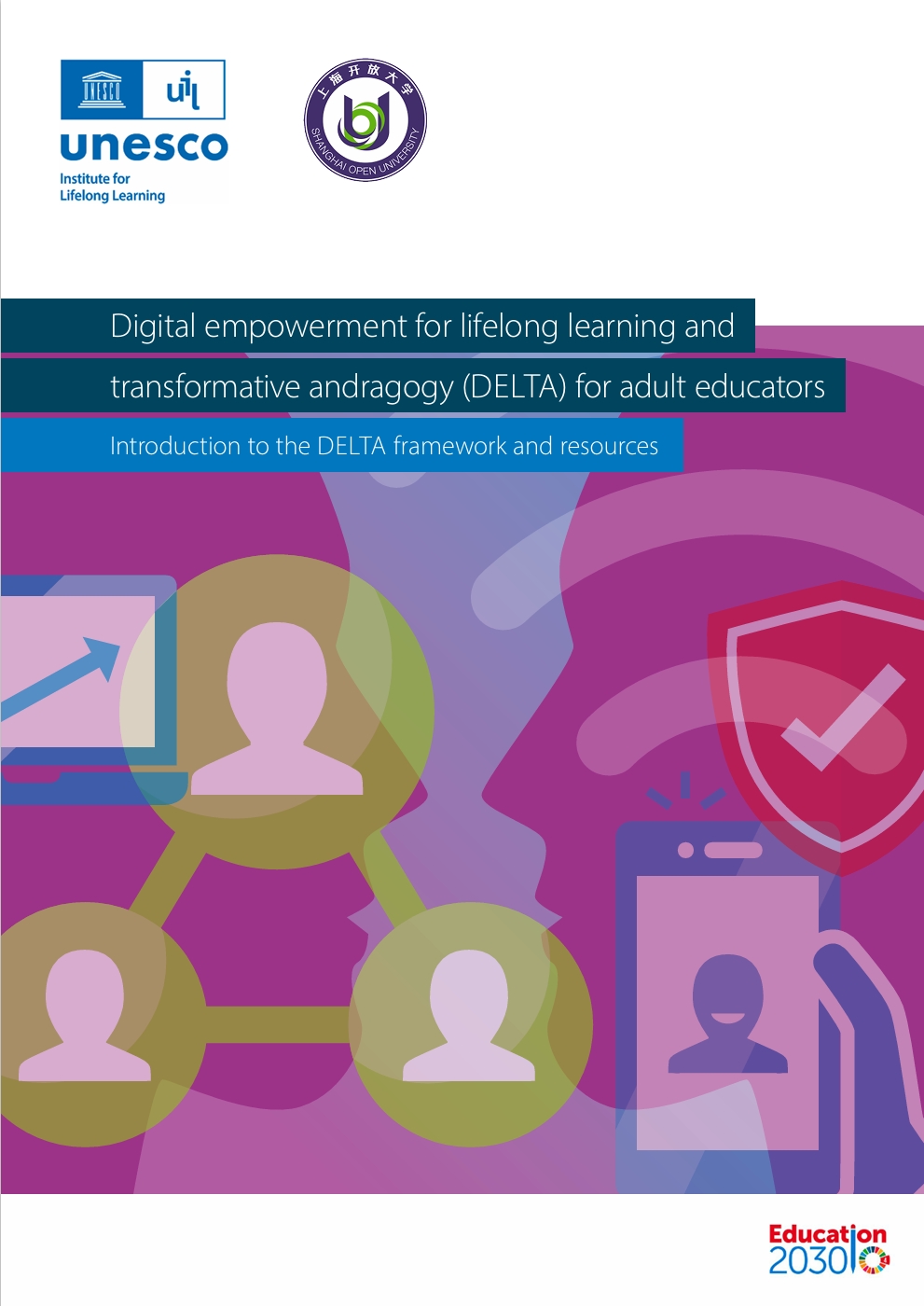 Digital Empowerment for Lifelong Learning and Transformative Andragogy (DELTA) for Adult Educators: Introduction to the DELTA Framework and Resources