
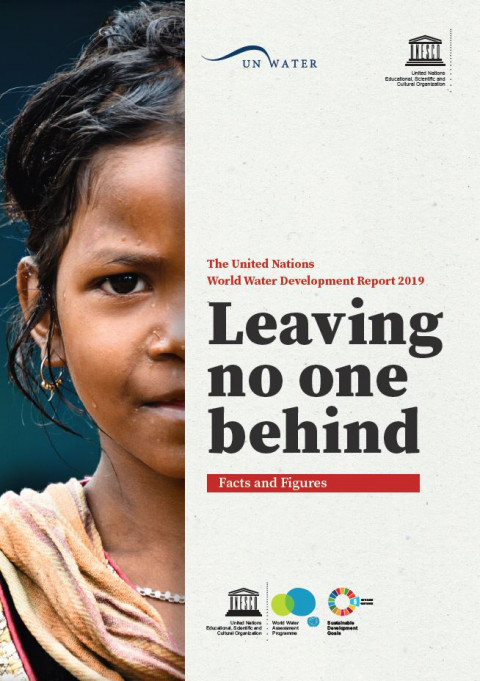
[Facts and Figures] The United Nations World Water Development Report 2019: Leaving No One Behind; Facts and Figures
- Corporate Author
- UNESCO World Water Assessment Programme (WWAP)
- Collation
- 11 p.
- Resource Language
- EnglishFrenchSpanishPortugueseItalian
- Year of publication
- 2019
- Resource Type
- Conference and programme reportsOther
- Level of education
- Non-formal educationOthers
- Region
- Global
- Place of publication
- Perugia
Water availability and demand
Figure 1 provides a global overview of countries experiencing different levels of water stress (the ratio of total freshwater withdrawn annually by all major sectors, including environmental water requirements, to the total amount of renewable freshwater resources, expressed as a percentage).
Over 2 billion people live in countries experiencing high water stress. Recent estimates show that 31 countries experience water stress between 25% (which is defined as the minimum threshold of water stress) and 70%. Another 22 countries are above 70% and are therefore under serious water stress (UN, 2018a).
Growing water stress indicates substantial use of water resources, with greater impacts on resource sustainability, and a rising potential for conflicts among users.
It has been estimated that about 4 billion people, representing nearly two-thirds of the world population, experience severe water scarcity during at least one month of the year (Mekonnen and Hoekstra, 2016).
Related Resources
-
 IIEP-UNESCO 12th Medium-Term Strategy: 2026–2029
 -
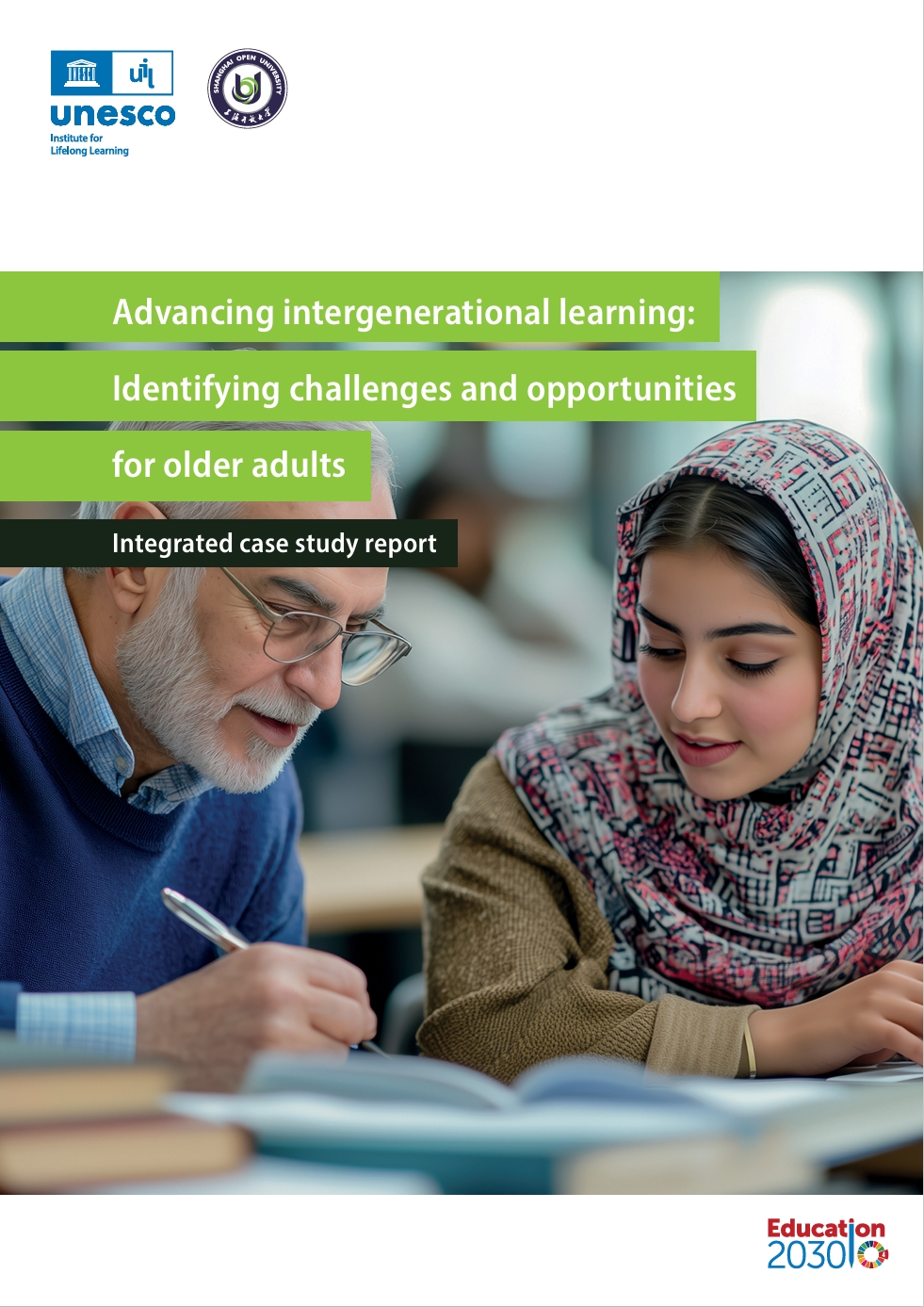 Advancing Intergenerational Learning: Identifying Challenges and Opportunities for Older Adults; Integrated Case Study Report
 -
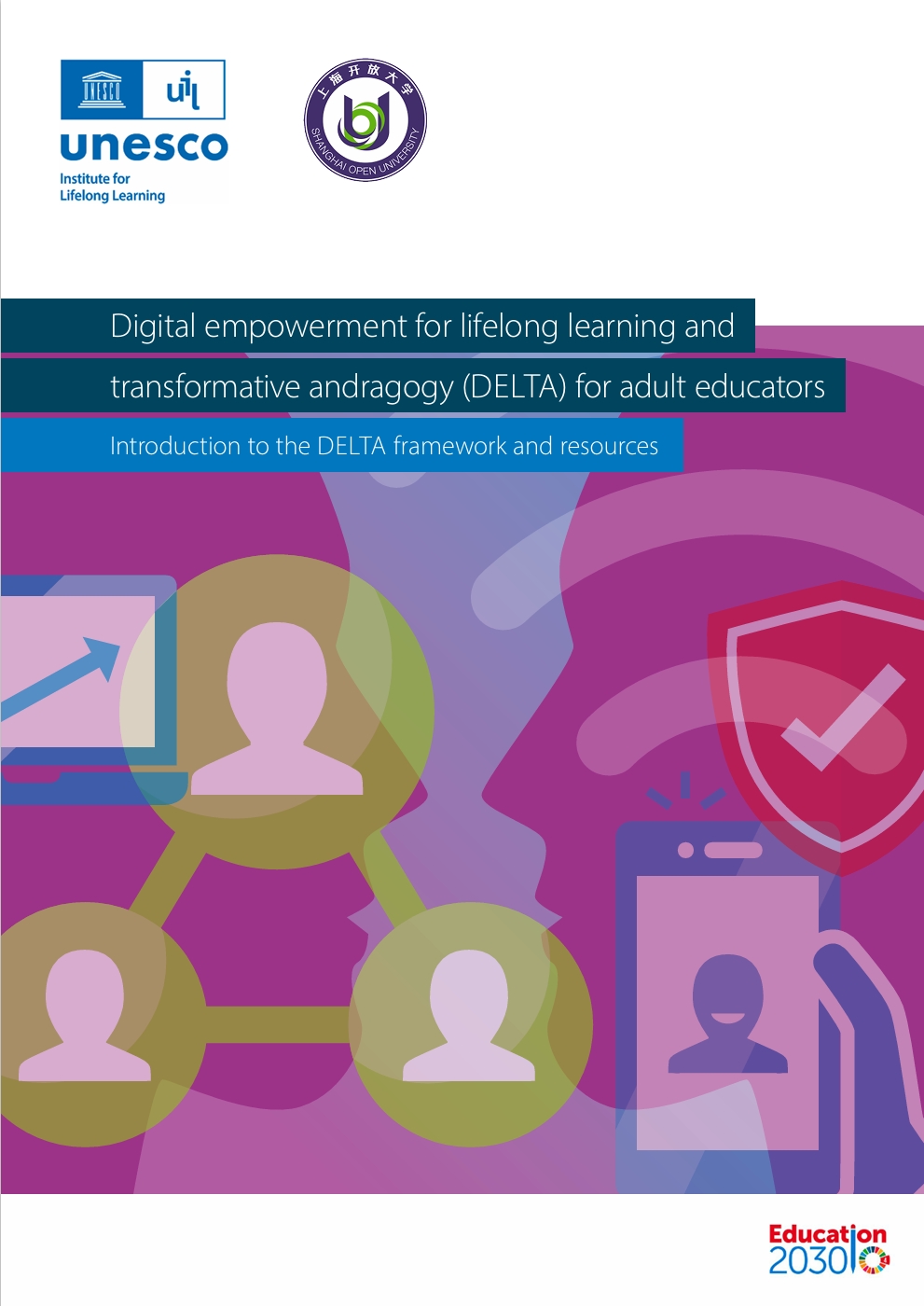 Digital Empowerment for Lifelong Learning and Transformative Andragogy (DELTA) for Adult Educators: Introduction to the DELTA Framework and Resources
 -
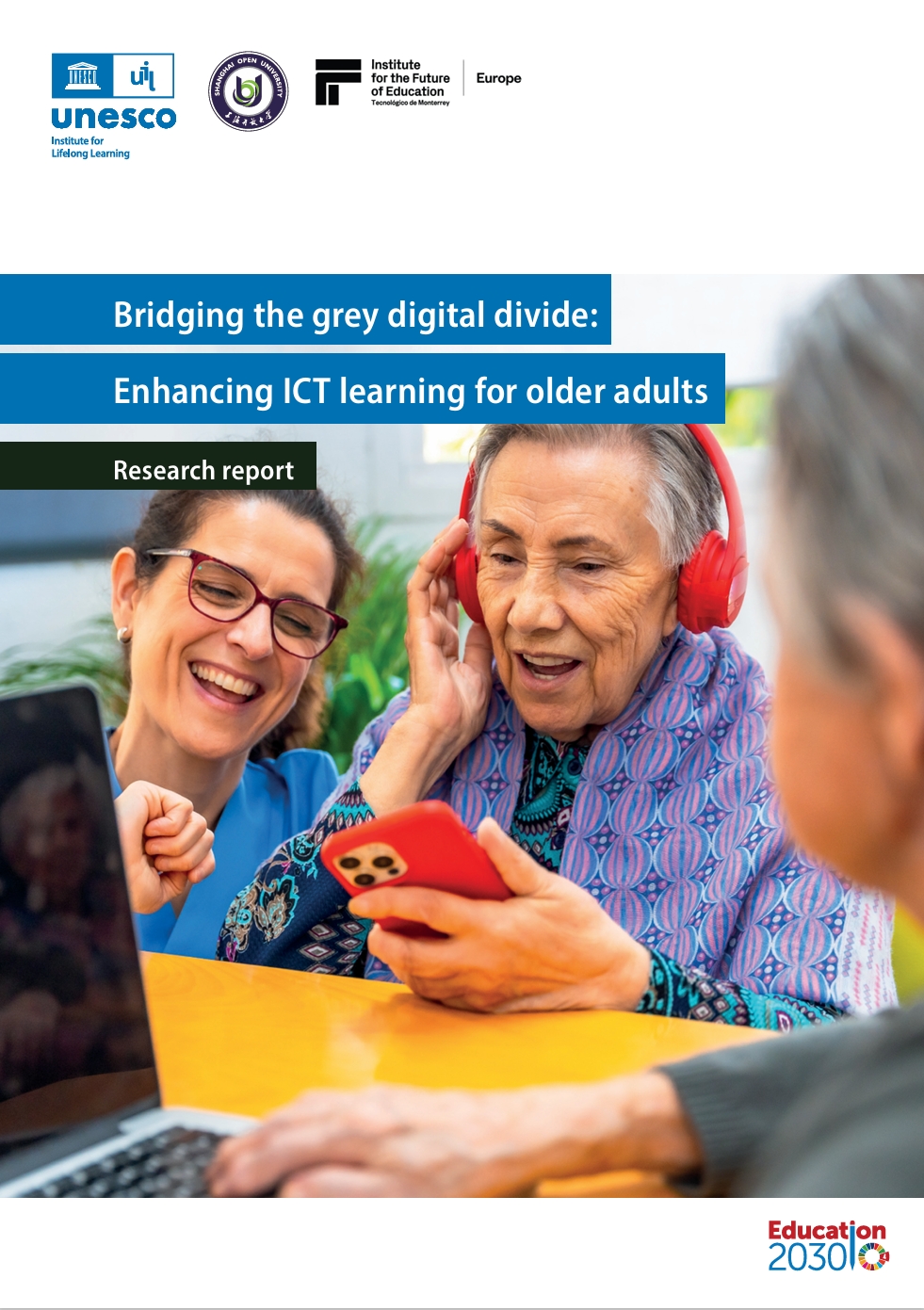 Bridging the Grey Digital Divide: Enhancing ICT Learning for Older Adults; Research Report