
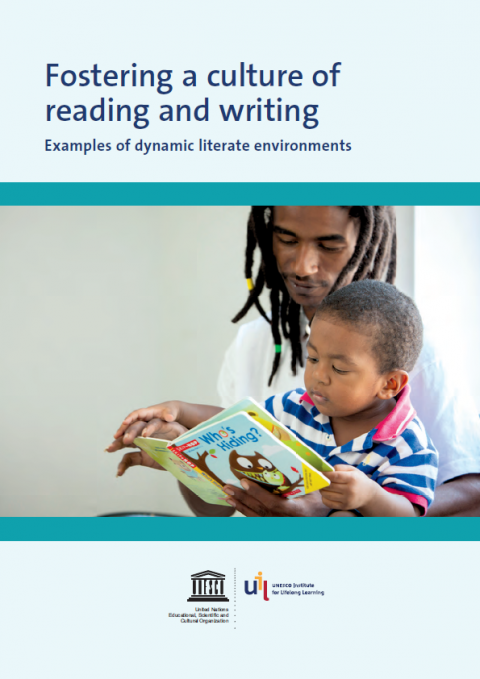
Fostering a culture of reading and writing: examples of dynamic literate environments
- Author
- Hanemann, UlrikeKrolak, Lisa
- Corporate Author
- UNESCO Institute for Lifelong Learning (UIL)
- Collation
- 147 p.
- Resource Language
- English
- Year of publication
- 2017
- Topic
- Diversity / Cultural literacy / InclusivenessGlobalisation and social justice / International understandingSustainable development / Sustainability
- Level of education
- Early childhood care and educationPrimary educationLifelong learning
- Region
- Global
- Place of publication
- Hamburg
The examples of literacy programmes showcased and analysed in this publication confirm the critical role of literate environments. They have been selected from UNESCO’s Effective Literacy and Numeracy Practises Database (LitBase), which UIL develops on a continuous basis. They demonstrate first and foremost how the development of literate environments can positively influence people’s motivation to (re-)engage in literacy and learning and how they can practise their newly acquired skills in their daily activities to reach sustainable skills levels. In addition, they reveal successful strategies towards a culture of reading, writing and learning in the family, community or wider society. The examples reflect different contexts, such as families, libraries and prisons, to illustrate the potential of ICTs, intergenerational approaches, and community, mobile and prison libraries to engage young people and adults in literacy and learning.
Related Resources
-
 IIEP-UNESCO 12th Medium-Term Strategy: 2026–2029
 -
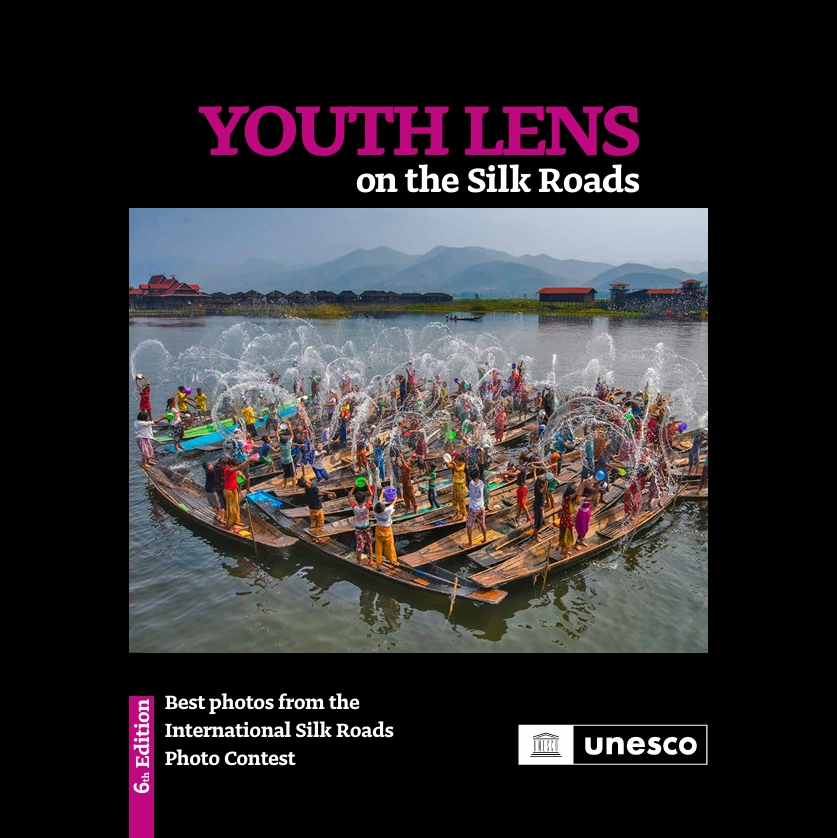 Youth Lens on the Silk Roads: Best Photos from the International Silk Roads Photo Contest; 6th Edition
 -
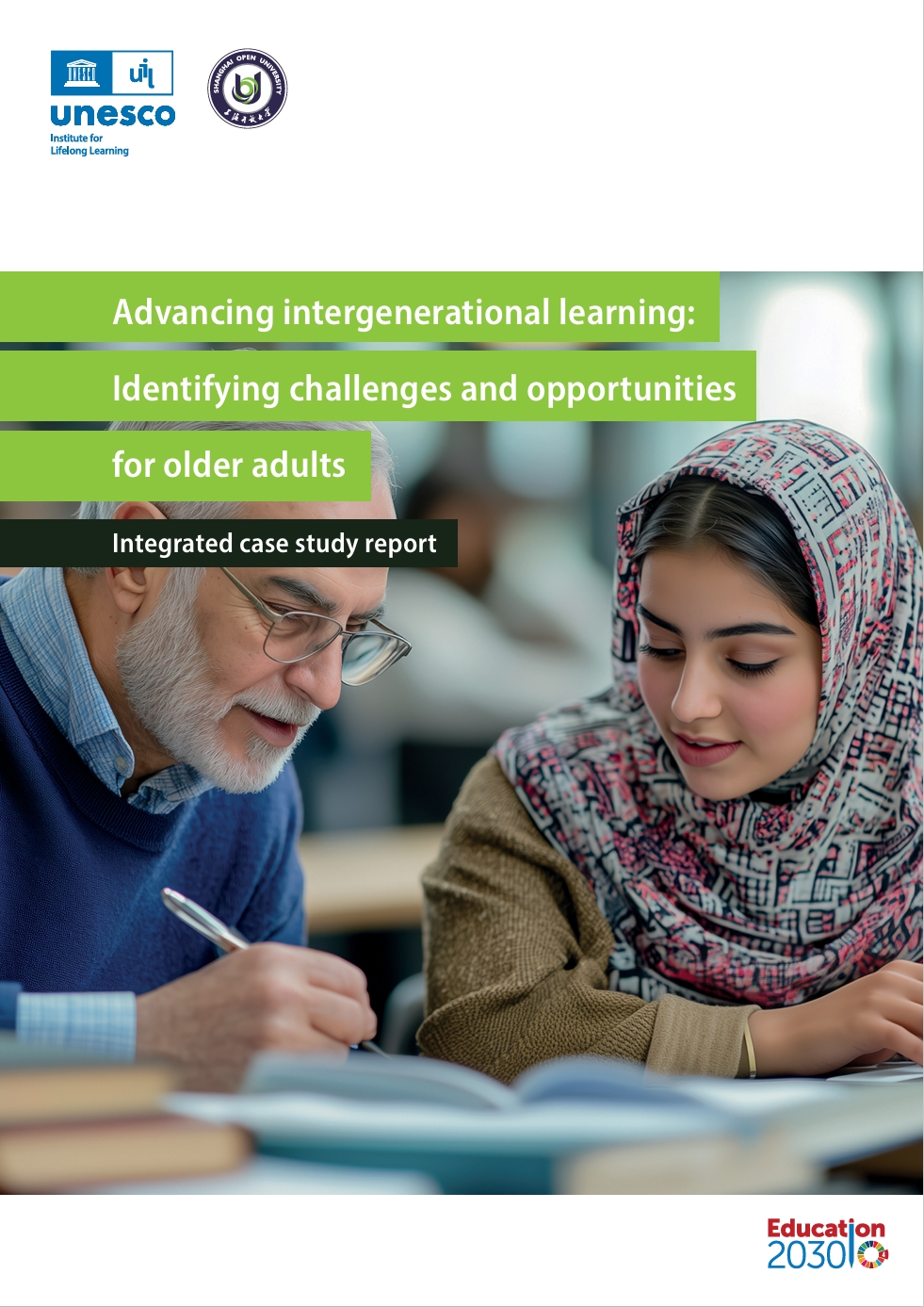 Advancing Intergenerational Learning: Identifying Challenges and Opportunities for Older Adults; Integrated Case Study Report
 -
 Digital Empowerment for Lifelong Learning and Transformative Andragogy (DELTA) for Adult Educators: Introduction to the DELTA Framework and Resources