
Educational guideline: education for citizenship and coexistence
- Author
- Adriana Carrillo MonsalveLizbeth Guerrero CuanKatherine Porras TorrentRigoberto Solano SalinasYudy Velásquez Hoyos
- Corporate Author
- Bogotá. District Secretariat of EducationProyecto Educación para la Ciudadanía y la Convivencia (PECC)
- Collation
- 2014
- Resource Language
- Spanish
- Year of publication
- 2014
- Place of publication
- Bogota
This document contains the pedagogical principles that make the Education for Citizenship and Civic Coexistence not just a project, rather a proposal of an education policy sustained in the transformation of society, human welfare and the development of citizenship skills. Therefore, it is directed mainly to School Directors, coordinators, educational mediators and facilitators of Citizenship and Civic Coexistence, who wish to start the processes of strengthening citizen capabilities in their educational communities. In this document you can find what we have called the Learning Citizenship Path, a pedagogical tool that identifies learning in citizenship for each of the educational cycles in three dimensions -Individual, Societal, systemic- This Learning Citizenship Path facilitates the curricular integration of citizenship learning in a pedagogical and practical framework, with transversal projects and educational practices, taking into account citizenship skills and new knowledge.
Related Resources
-
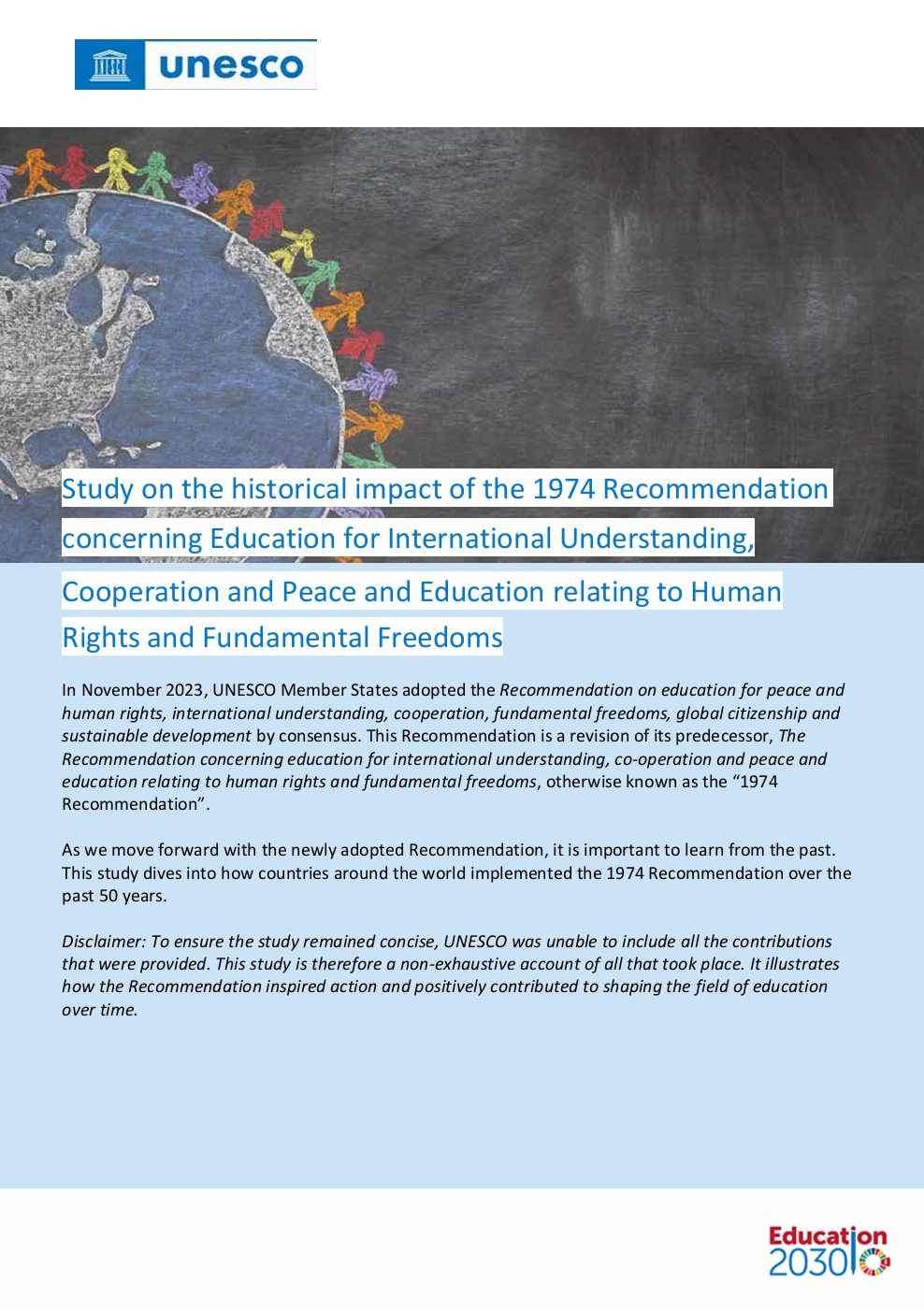 Study on the Historical Impact of the 1974 Recommendation concerning Education for International Understanding, Cooperation and Peace and Education relating to Human Rights and Fundamental Freedoms
 -
 IIEP-UNESCO 12th Medium-Term Strategy: 2026–2029
 -
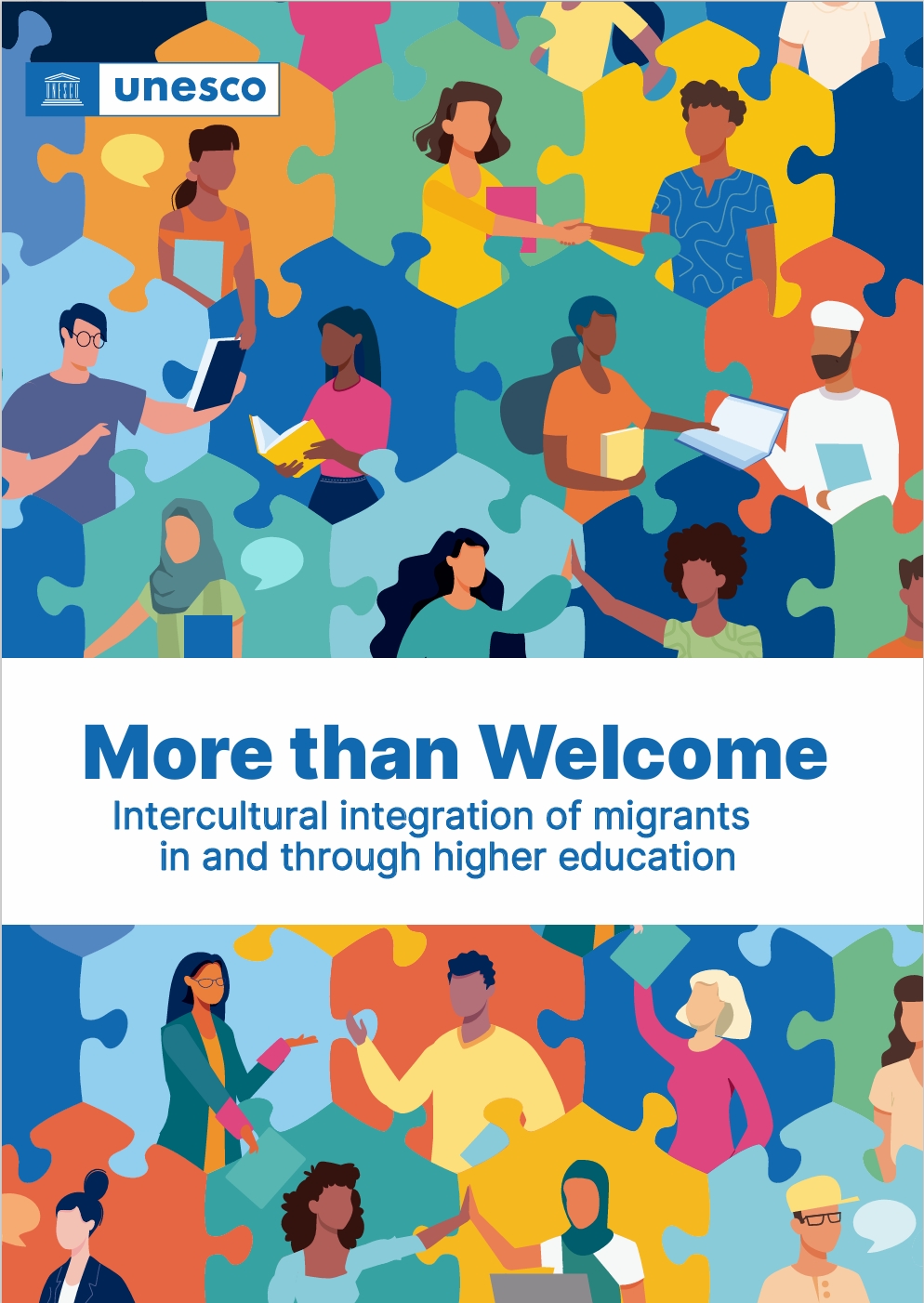 More than Welcome: Intercultural Integration of Migrants in and Through Higher Education
 -
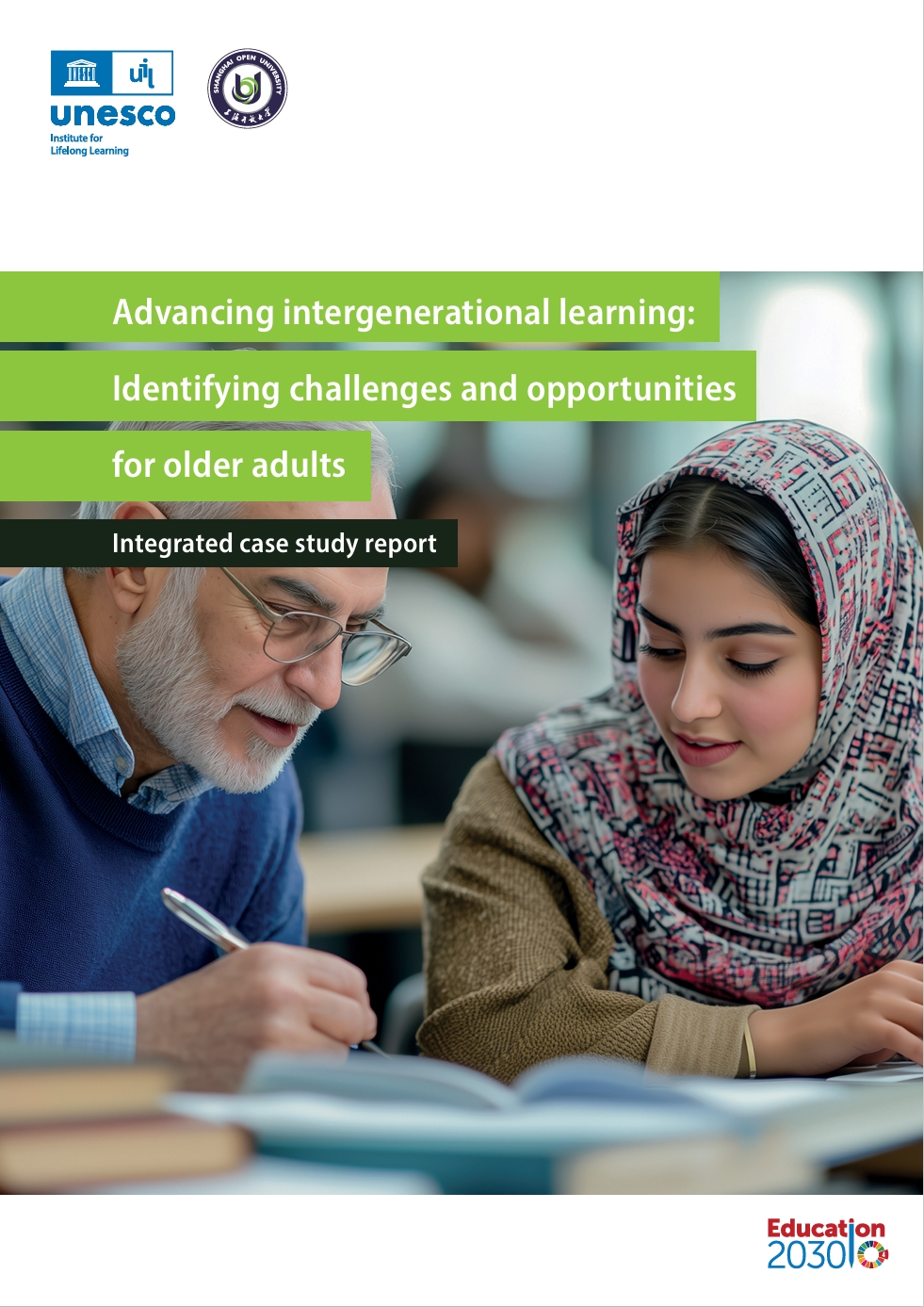 Advancing Intergenerational Learning: Identifying Challenges and Opportunities for Older Adults; Integrated Case Study Report